


Collagen Peptides for Rejuvenated Skin
2025-06-04
1. What is Collagen Peptides?
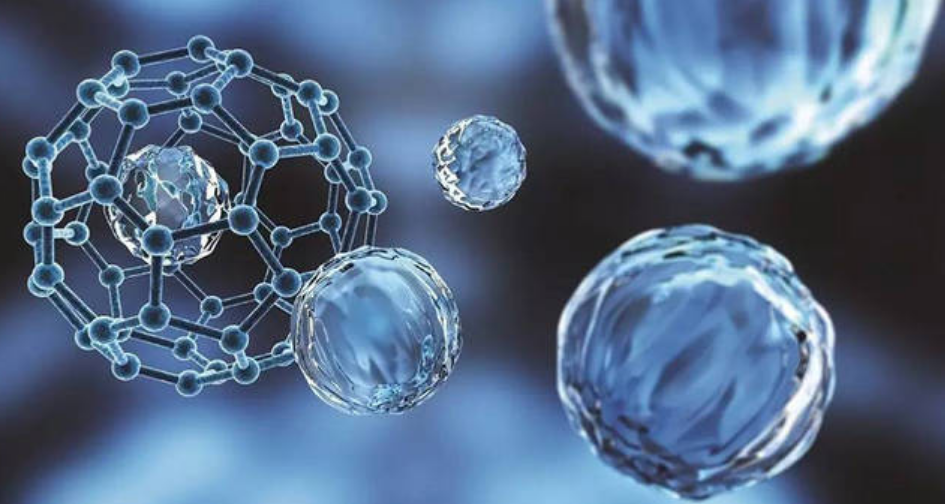
Collagen is the most abundant structural protein in the human body, accounting for 25%-35% of the body's protein. It maintains skin elasticity and connects skeletal tendons like "biological glue". Collagen peptides are small molecule forms hydrolyzed by enzymatic technology, with an average molecular weight of only 500-2000 Daltons (Da).
Collagen is the most abundant structural protein in the human body, accounting for 25%-35% of the body's protein. It maintains skin elasticity and connects skeletal tendons like "biological glue". Collagen peptides are small molecule forms hydrolyzed by enzymatic technology, with an average molecular weight of only 500-2000 Daltons (Da).
Difference from traditional collagen: Ordinary collagen has a huge molecular weight (>300kDa) and is difficult to be directly absorbed by the intestine. The bioavailability of hydrolyzed peptides is increased by more than 200%, and can efficiently enter the blood and act on target tissues4.
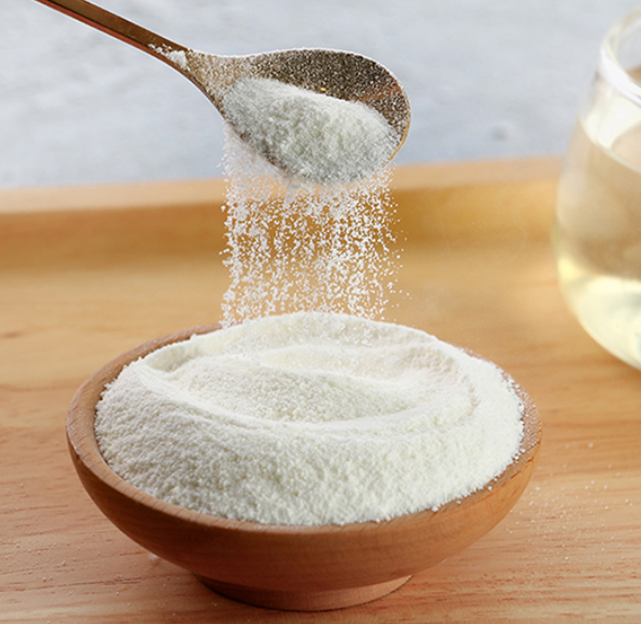
Form of existence: Most commercially available products are white, odorless powders that can be dissolved in hot or cold water or beverages, and are easy to take.
2. What is Collagen Peptides Good For?
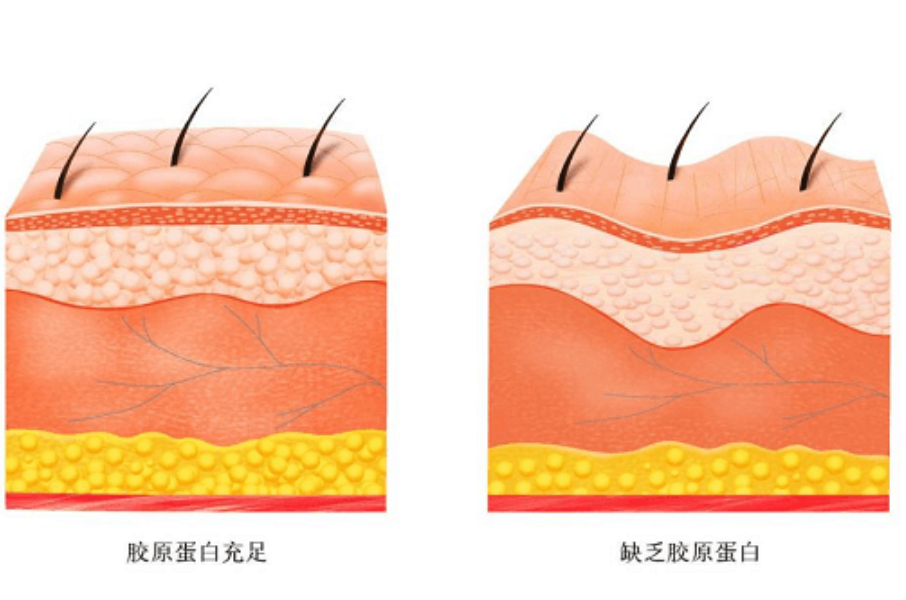
Clinical studies have confirmed that daily supplementation of 10g of collagen peptides for 8 weeks significantly increases skin moisture and elasticity by 28%, and reduces joint pain by 40%. Its core functions include:
Clinical studies have confirmed that daily supplementation of 10g of collagen peptides for 8 weeks significantly increases skin moisture and elasticity by 28%, and reduces joint pain by 40%. Its core functions include:
1. Reverse the skin aging clock
→ Stimulate fibroblast activity and promote type I and type III collagen regeneration
→ Inhibit matrix metalloproteinase MMP3 (enzyme that destroys collagen) and reduce wrinkle depth.
→ Enhance hyaluronic acid synthesis and enhance skin's ability to lock in moisture.
→ Stimulate fibroblast activity and promote type I and type III collagen regeneration
→ Inhibit matrix metalloproteinase MMP3 (enzyme that destroys collagen) and reduce wrinkle depth.
→ Enhance hyaluronic acid synthesis and enhance skin's ability to lock in moisture.
2. Joint and bone health
→ Type II collagen peptides repair cartilage tissue and relieve arthritis and sports injuries.
→ Enhance bone density and reduce the risk of osteoporosis.
→ Type II collagen peptides repair cartilage tissue and relieve arthritis and sports injuries.
→ Enhance bone density and reduce the risk of osteoporosis.
3. Systemic health support
→ Strengthen vascular wall elasticity (type III collagen) and maintain cardiovascular function.
→ Repair intestinal mucosal barrier and improve "leaky gut syndrome".
→ Reduce brittle nails and split hair, and enhance keratin structural strength.
→ Strengthen vascular wall elasticity (type III collagen) and maintain cardiovascular function.
→ Repair intestinal mucosal barrier and improve "leaky gut syndrome".
→ Reduce brittle nails and split hair, and enhance keratin structural strength.
3. What is Collagen Peptides Made Of?
Key steps of production process:
Raw material pretreatment: degreasing, decalcification to remove impurities.
Directed enzymatic hydrolysis: using trypsin/pepsin to cut collagen long chain.
Nanofiltration: separation of highly active peptides with molecular weight of 500-2000Da.
Spray drying: making stable powder soluble at low temperature.
Beware of low-price traps: inferior products may have residual heavy metals or added gelatin, look for test reports with ash content ≤2% and protein ≥95%.
Previous News: Bacillus coagulans-The Resilient Probiotic Powerhouse for Your Gut
Next News: Ampicillin-Your Versatile Ally in the Fight Against Bacterial Infections


