


Cellulase-the magical enzyme that unlocks green energy
What Is Cellulase Enzyme?
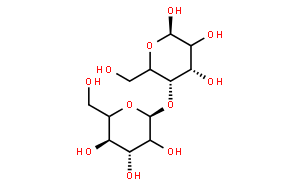
Cellulase is a group of enzymes that break down cellulose, a complex carbohydrate found in plant cell walls, into simpler sugars like glucose. This enzyme plays a crucial role in nature by facilitating the decomposition of plant matter, making it essential in industries such as biofuel production, textiles, food processing, and animal feed.
Cellulase is produced by various microorganisms, including bacteria and fungi, as well as some insects and animals that rely on symbiotic gut bacteria to digest cellulose. Unlike humans, who cannot produce cellulase, certain organisms use this enzyme to extract energy from plant-based materials.
What Is the Function of Cellulase Enzyme?
Cellulase enzymes serve several key functions:
-
Biodegradation of Plant Material – Cellulase breaks down cellulose into glucose, which can be fermented into biofuels like ethanol.
-
Animal Digestion – Herbivores (e.g., cows, termites) rely on microbial cellulase in their guts to digest grass and wood.
-
Textile Industry – Used in "biostoning" denim to create a worn-out look without harsh chemicals.
-
Food & Beverage Processing – Helps in juice extraction, clarifying wines, and improving bakery products.
-
Waste Management – Aids in composting by accelerating the breakdown of plant waste.
Without cellulase, many natural and industrial processes involving plant fibers would be inefficient or impossible.

Do Animals Have a Cellulase Enzyme?
Most animals, including humans, cannot produce cellulase on their own. However, herbivorous animals like cows, sheep, and termites digest cellulose through symbiotic bacteria and protozoa in their digestive systems. These microbes secrete cellulase, allowing the host animal to absorb the resulting sugars.
For example:
-
Ruminants (e.g., cows) have a specialized stomach (rumen) where bacteria break down cellulose.
-
Termites rely on gut microbes to digest wood.
-
Some insects (e.g., beetles) produce small amounts of cellulase or host cellulose-digesting bacteria.
In contrast, humans lack this ability, which is why we cannot efficiently extract nutrients from raw plant fibers like grass or wood.
What Is the Role of Enzymes in Cellular Respiration?
While cellulase is not directly involved in cellular respiration, enzymes play a vital role in converting nutrients into energy (ATP). Key enzymes in cellular respiration include:
-
Glycolysis Enzymes (e.g., hexokinase, phosphofructokinase) – Break down glucose into pyruvate.
-
Citric Acid Cycle Enzymes (e.g., citrate synthase, succinate dehydrogenase) – Extract electrons for ATP production.
-
Electron Transport Chain (ETC) Enzymes (e.g., cytochrome oxidase) – Generate ATP via oxidative phosphorylation.
Cellulase indirectly supports cellular respiration by breaking down cellulose into glucose, which cells then use for energy production.


