


Why Succinic Acid Is a Must-Have for Your Daily Health Routine?
Succinic Acid: The Multi-Purpose Compound for Energy, Skin & Sustainability
What Is Succinic Acid?
Succinic acid (C₄H₆O₄) is a naturally occurring dicarboxylic acid found in amber, plants (unripe grapes, beets, rhubarb), and human/animal tissues (blood,
muscles, organs). It appears as a white, odorless crystalline powder with a mild, clean sour taste, highly soluble in water and alcohol. As a core part of the
TCA cycle, it helps convert food into ATP (cellular energy), making it essential for metabolism, muscle function, and overall vitality.
Today, succinic acid is produced via both natural fermentation (eco‑friendly, renewable) and chemical synthesis, ensuring purity and sustainability.
It is classified as GRAS by the FDA and approved as a food additive (E363) globally, confirming its safety for human consumption.

Key Benefits of Succinic Acid
As a TCA cycle intermediate, it supports mitochondrial ATP production, improves oxygen utilization, reduces lactic acid buildup, and enhances endurance — ideal for chronic fatigue, athletes, and high‑stress lifestyles.
Regulates glucose metabolism, activates brown adipose tissue (BAT) to burn calories, improves insulin sensitivity, stabilizes blood sugar, and reduces cravings.
Inhibits pro‑inflammatory cytokines (TNF‑α, IL‑6), reduces oxidative stress, and enhances immune cell activity — beneficial for arthritis, skin conditions, and autoimmunity.
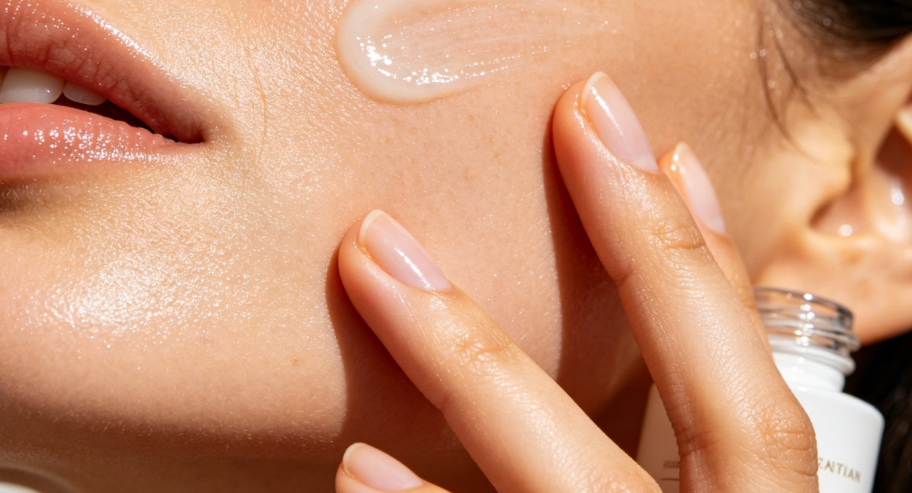
Antibacterial, exfoliating, and pore‑clearing. Targets acne bacteria (S. aureus), regulates sebum, soothes rosacea and post‑acne inflammation — ideal for sensitive or breakout‑prone skin.
Regulates stomach pH, reduces acid reflux, relieves bloating, supports gut barrier function, and promotes healthy gut flora.
Primary Uses & Applications
💊 Health & Wellness Supplements
Energy & stamina (200–500 mg daily), metabolic support, immune & inflammation formulas, sleep & stress management.🍽️ Food & Beverage Industry
Natural acidity regulator (E363) and flavor enhancer for soft drinks, juices, candies, baked goods, sauces, and fermented foods. Adds umami, balances sweetness, extends shelf life.🧴 Skincare & Cosmetics
Acne treatments (2–5% concentration), rosacea care, gentle exfoliants, antioxidant serums — reduces redness and improves texture.💊 Pharmaceutical Industry
🌱 Green Chemistry & Industrial

Who Should Use Succinic Acid?
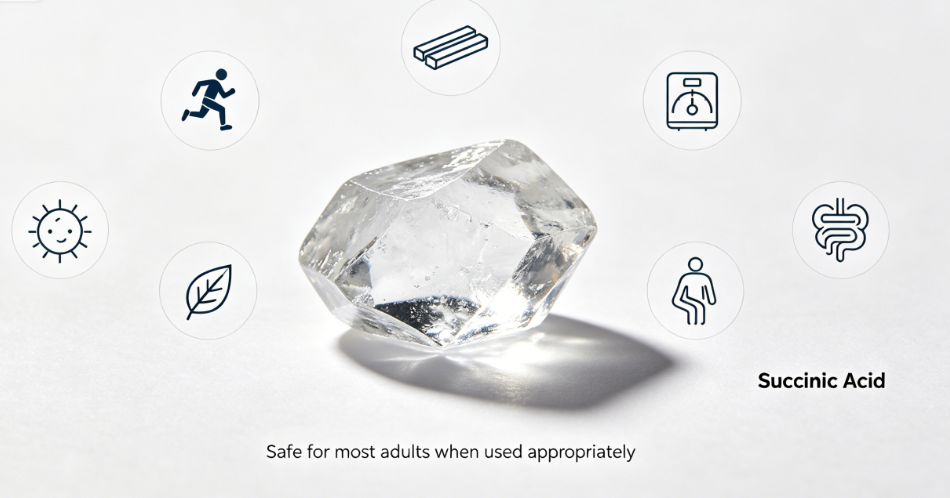
Succinic acid is safe for most adults when used appropriately. Always follow supplement or topical guidelines, and consult a healthcare provider for
specific medical conditions or during pregnancy.
Safety Profile & Tolerability
Succinic acid is widely recognized as safe. As a food additive (E363) and skin care ingredient, it exhibits low irritation potential.
Oral supplementation (typical doses 200–500 mg/day) is well‑tolerated. Mild digestive upset may occur in sensitive individuals at very high doses.
For topical use, patch testing is recommended. No serious adverse effects have been documented in normal usage.
Conclusion
Succinic acid is a remarkable, multi‑purpose compound that bridges nature, health, and industry. As a key metabolic intermediate, it fuels energy
production, reduces inflammation, and supports immune, digestive, and skin health. Its versatility extends to food, pharmaceuticals, skincare, and green
chemistry — making it an essential ingredient in modern life.
🌱 Looking for high‑quality succinic acid or other natural ingredients?
For more information about succinic acid, allulose, and botanical extracts, visit
www.ruizelinbio.com or email: info@ruizelinherb.com
We will reply to you as soon as possible.


