


Vitamin E Powder-Unlock Cellular Protection and Radiant Vitality.
1. What is Vitamin E Powder?
Vitamin E is a fat-soluble antioxidant encompassing a group of eight compounds—four tocopherols (alpha, beta, gamma, delta) and four tocotrienols. While Vitamin E is naturally found in oils, converting it into a powder form involves a sophisticated encapsulation or spray-drying process.
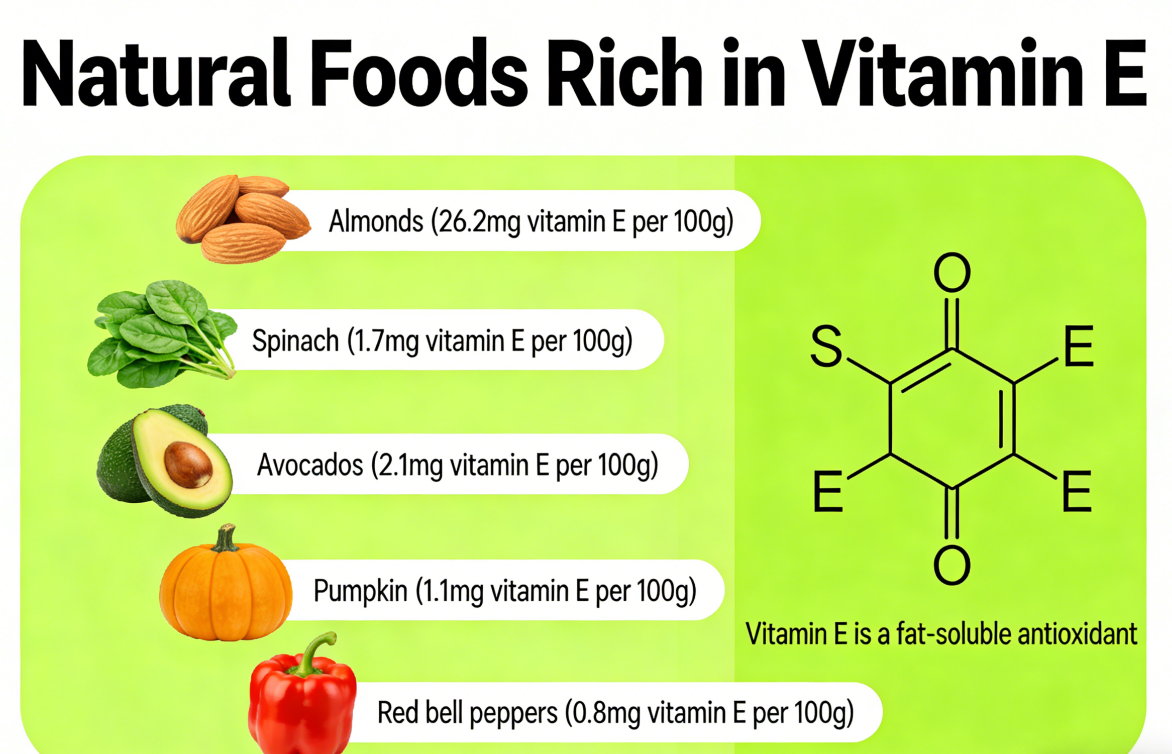
Technical Specifications:
-
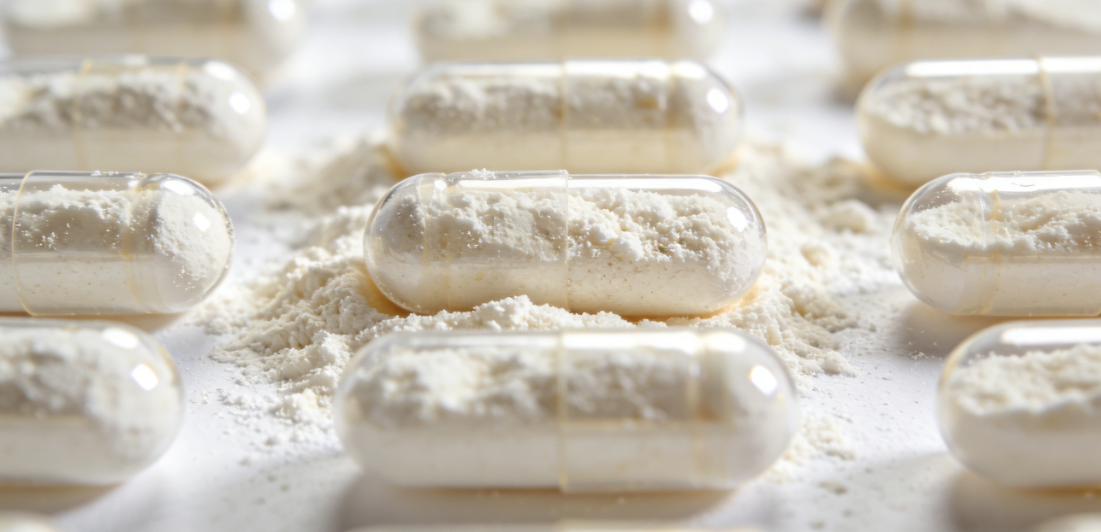
Appearance: Fine, white to off-white powder.
-
Active Ingredient: Typically contains 50% Vitamin E (as D-alpha Tocopherol or DL-alpha Tocopherol), though variations like 25% or 75% are available.
-
Form: Microencapsulated. This technology protects the sensitive Vitamin E from oxidation, masks any potential odor/taste, and ensures a stable shelf life.
-
Solubility: Cold water dispersible.
2. Applications: Where is it Used?
The versatility of the powder form makes it superior to oil in many manufacturing processes. It mixes easily with dry ingredients without altering the texture of the final product.
A. Dietary Supplements
-
Tablets & Capsules: Used in multivitamin formulas.
-
Sachets & Stick Packs: Ideal for on-the-go nutrition powders.
-
Effervescent Tablets: Vitamin E powder dissolves cleanly without an oily film.
-
B. Food & Beverage (Fortification)
-
Infant Formula: Added to mimic the nutritional profile of breast milk.
-
Sports Nutrition: Protein powders and energy bars are fortified with Vitamin E powder to aid muscle recovery.
-
Dairy Alternatives: Plant-based milks and yogurts.
C. Cosmetics & Personal Care
-
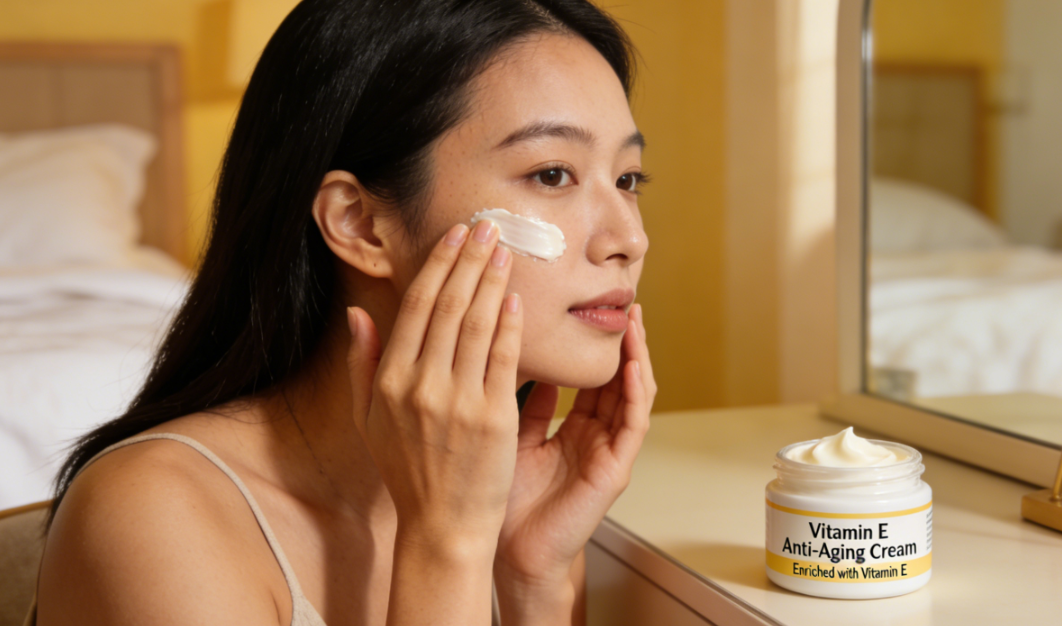
Anti-Aging Creams: Provides antioxidant protection without the greasy feel of oil.
-
Sunscreens: Helps neutralize free radicals caused by UV exposure.
-
Hair Masks: Strengthens hair follicles and adds shine.
-
D. Animal Feed
-
Premixes: Essential for livestock and aquaculture to boost immunity and meat quality.
3. Key Benefits and Efficacy
Why do manufacturers choose Vitamin E powder? The benefits are backed by decades of scientific research:
-
Powerful Antioxidant: It neutralizes free radicals, protecting cell membranes from oxidative damage. This is the primary driver for its use in anti-aging products.
-
Immune System Support: It enhances the activity of T-cells and natural killer cells, helping the body fight off infections.
-
Skin Health: When applied topically, it soothes sunburns, reduces inflammation, and helps in wound healing.
-
Heart Health: It prevents the oxidation of LDL cholesterol, which is a key step in the prevention of plaque formation in arteries.
-
Eye Health: Combined with other nutrients, it may reduce the risk of age-related macular degeneration (AMD).
-
4. Target Audience: Who Needs It?
As a supplier, your buyers are likely formulating products for these specific consumer groups:


