


Unlocking the Power of Alpha-Lipoic Acid: The Versatile Antioxidant You Need to Know
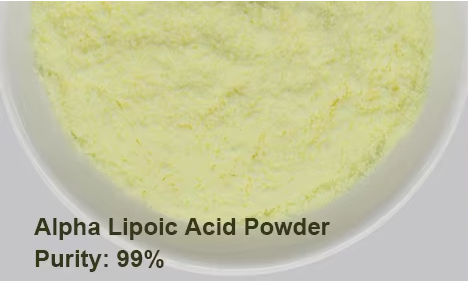
Often dubbed the "universal antioxidant," Alpha-Lipoic Acid is a naturally occurring compound that's made in the body's mitochondria – the energy powerhouses of our cells. It's essential for aerobic metabolism, the process that converts fuel into energy. What makes ALA unique is its ability to function in both water and fat, unlike other antioxidants like Vitamin C (water-soluble) or Vitamin E (fat-soluble). This allows it to work throughout the entire body, neutralizing free radicals wherever they appear.
2.What Does Alpha-Lipoic Acid Do?
The primary role of Alpha-Lipoic Acid is its potent antioxidant activity. It fights oxidative stress, a key driver of aging and numerous chronic diseases, by neutralizing harmful free radicals. But its talents don't stop there. ALA has a remarkable second function: it can regenerate other essential antioxidants, such as Vitamin C, Vitamin E, and glutathione, effectively recycling them and boosting the body's overall antioxidant defense network.
Furthermore, ALA plays a crucial role in energy production, helping enzymes convert nutrients into adenosine triphosphate (ATP), the body's fundamental energy currency.
3.What Foods Have Alpha-Lipoic Acid?
While your body produces ALA, you can also find it in various foods. However, the concentrations are relatively low compared to therapeutic supplement doses. Excellent dietary sources include:
-
Red Meat: Particularly organ meats like heart, liver, and kidney.
-
Spinach and Broccoli: These leafy greens are excellent plant-based sources.
-
Tomatoes
-
Brussels Sprouts
-
Peas
-
Brewer's Yeast
While incorporating these foods into your diet is beneficial for overall health, achieving the higher doses used in clinical studies typically requires supplementation.

4.What is Alpha-Lipoic Acid Good For?
Research has linked ALA to a wide array of health benefits, making it a subject of significant scientific interest.
-
Nerve Health and Diabetic Neuropathy: One of the most well-established uses of ALA is in supporting nerve health, particularly for those with diabetic neuropathy. Studies have shown that intravenous and oral ALA can help alleviate symptoms like burning pain, prickling, and numbness.
-
Blood Sugar Control: ALA appears to enhance the body's sensitivity to insulin, helping to lower blood sugar levels. This makes it a valuable complementary supplement for managing type 2 diabetes.
-
Skin Health: Thanks to its antioxidant properties, ALA is a popular ingredient in skincare. It helps combat free radical damage from UV exposure, potentially reducing signs of aging like fine lines and wrinkles.
-
Cognitive Function: By crossing the blood-brain barrier, ALA can exert its antioxidant effects directly in the brain, offering potential protective benefits for brain cells and supporting cognitive health.
-
Weight Management: Some research suggests that ALA may have a modest effect on promoting weight loss, though more studies are needed to confirm its efficacy and mechanism.
5.How Much Alpha-Lipoic Acid Should You Take a Day?
There is no official Recommended Dietary Allowance (RDA) for Alpha-Lipoic Acid. For general antioxidant support, a typical daily dosage ranges from 300 to 600 mg. For specific conditions like diabetic neuropathy, studies have used doses of 600 mg daily, often under medical supervision.
It is crucial to consult with a healthcare professional before starting any new supplement regimen. They can provide personalized advice based on your health status and goals, ensuring the dosage is both safe and effective for you.
If you need to purchase Alpha-Lipoic Acid directly,visit //www.ruizelinbio.com/ or email address:info@ruizelinherb.com. We will reply to you as soon as possible,Thanks very much.


