


Understanding Thiophanate Methyl: A Versatile Contact Fungicide for Crop Protection
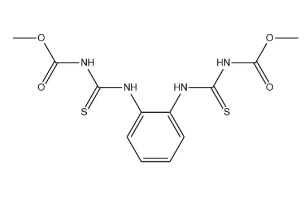
Thiophanate methyl is a systemic fungicide that belongs to the benzimidazole class of chemicals. It is known for its broad-spectrum activity against a variety of fungal pathogens that affect crops. The chemical is often used in both agricultural and horticultural settings to protect plants from diseases such as powdery mildew, leaf spot, and botrytis.
2.Is Thiophanate Methyl a Contact Fungicide?
Yes, thiophanate methyl is considered a contact fungicide. This means that it works by coming into direct contact with the fungal pathogens on the plant surface. When applied, it forms a protective barrier that prevents the fungi from infecting the plant tissues. However, thiophanate methyl also has systemic properties, allowing it to be absorbed by the plant and transported to other parts, providing internal protection.

3.How Does Thiophanate Methyl Work?
Thiophanate methyl works by inhibiting the synthesis of beta-tubulin, a protein essential for the formation of microtubules in fungal cells. Microtubules are crucial for cell division and growth in fungi. By disrupting this process, thiophanate methyl effectively stops the growth and reproduction of the fungal pathogens, leading to their eventual death.
The fungicide is most effective when applied preventatively or at the early stages of infection. It is typically applied as a spray, ensuring thorough coverage of the plant surfaces where fungal spores may land and germinate.

4.What is Thiophanate Methyl Used For?
Thiophanate methyl is used to protect a wide range of crops, including fruits, vegetables, ornamentals, and turfgrass. Some of the common applications include:
-Fruit Crops: Apples, grapes, strawberries, and citrus fruits are often treated with thiophanate methyl to prevent diseases like apple scab, grape powdery mildew, and citrus black spot.
-Vegetables: Tomatoes, potatoes, and cucumbers benefit from thiophanate methyl applications to control early blight, late blight, and powdery mildew.
-Ornamentals: Flowers and ornamental plants are protected from diseases such as botrytis and leaf spot.
-Turfgrass: Golf courses and sports fields use thiophanate methyl to maintain healthy turf by preventing diseases like dollar spot and brown patch.
In conclusion,Thiophanate methyl provided by Rui zelin is a versatile and effective fungicide that plays a crucial role in modern agriculture. Its dual action as both a contact and systemic fungicide makes it a valuable tool for farmers and horticulturists aiming to protect their crops from a wide range of fungal diseases. By understanding how thiophanate methyl works and its various applications, agricultural professionals can make informed decisions to ensure healthy and productive crops.As with any chemical, it is important to follow the recommended guidelines and safety precautions when using thiophanate methyl to ensure effective and responsible application.
For more information on Thiophanate Methyl and its applications, visit //www.ruizelinbio.com/ or email address:info@ruizelinherb.com. We will reply to you as soon as possible,Thanks very much.


