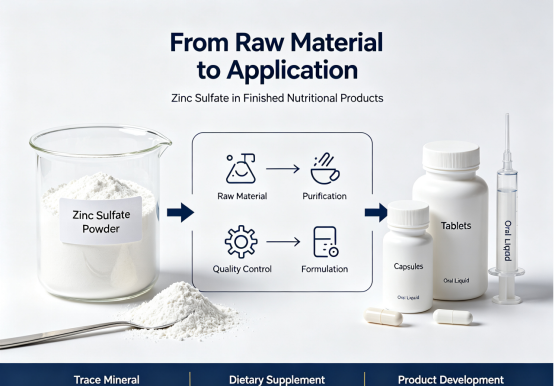


The Underrated Cornerstone of Immunity: How Zinc Sulfate Protects Everything from Skin to Immune Defence
The Underrated Cornerstone of Immunity:
How Zinc Sulfate Protects Everything from Skin to Immune Defence
On the stage of nutritional supplements, zinc is often overshadowed by calcium, iron, and vitamin C. Yet when scientists delve into the underlying mechanisms of immunity, skin repair, and growth, one name keeps reappearing – Zinc Sulfate. As one of the most classic and cost‑effective inorganic forms of zinc, it is returning to the spotlight of nutritional science, backed by solid evidence and a wide range of applications.
What exactly makes it so valuable? Let's begin with the physiological role of zinc itself.
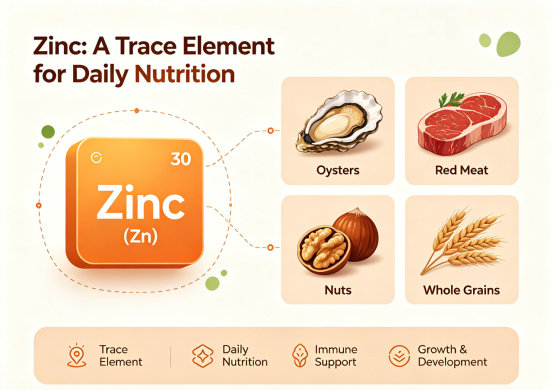
Zinc: The "Master Switch" of Over 300 Enzymes
Zinc is one of the essential trace elements for the human body, with a recommended daily intake of approximately 8–11 mg for adults. Despite its tiny requirement, it participates in the composition and activation of more than 300 enzymes and regulates the expression of over 2,000 genes.
From DNA synthesis and cell division, to protein synthesis and wound healing, to immune cell development and signalling – zinc is involved in virtually every critical aspect of life. In other words, zinc deficiency is not a "minor issue" but a systemic risk that triggers a chain reaction.
Zinc Sulfate, with its high solubility, high bioavailability, and excellent stability, stands as one of the classic choices for zinc supplementation.
The "Invisible Commander" of Immune Defence
Among zinc's many functions, its support for the immune system is arguably the most critical.
Zinc is an essential element for the normal development and function of the thymus – the core organ for T lymphocyte maturation. Studies show that zinc deficiency leads to reduced T cell numbers and impaired function, while also affecting natural killer (NK) cell activity. This means that in a zinc‑deficient state, the body's first line of defence against viruses and bacteria is weakened.
In addition, zinc participates in regulating inflammatory responses. It inhibits excessive activation of the NF‑κB signalling pathway, helping control the release of inflammatory cytokines and maintaining balance between "defence" and "overreaction."
For children, the elderly, and immunocompromised populations, appropriate Zinc Sulfate supplementation is an economical and effective immune support strategy.

The "Repair Engineer" of Skin and Mucous Membranes
Zinc has a long history of application in skin health. From acne treatment to wound healing, zinc is everywhere.
Acne and Inflammatory Skin Conditions
Zinc possesses anti‑inflammatory, antibacterial, and sebum‑regulating properties. Research shows that zinc inhibits the overgrowth of Cutibacterium acnes while reducing inflammatory reactions around hair follicles. As an oral zinc supplement, Zinc Sulfate is often used by dermatologists as an adjunct therapy for moderate to severe acne.
Wound Healing and Mucosal Repair
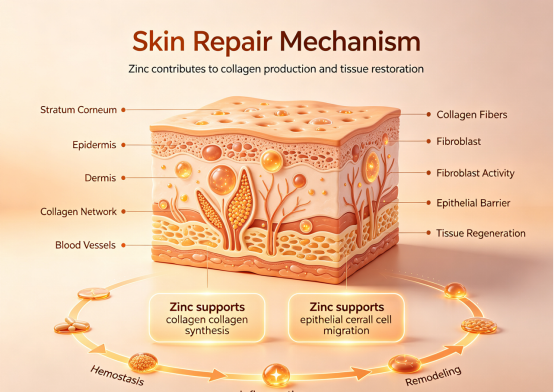
Zinc is an essential element for collagen synthesis and epithelial cell proliferation. During wound healing, zinc participates in the migration and proliferation of keratinocytes, promoting granulation tissue formation. Zinc also plays an important role in mucosal repair scenarios such as oral ulcers and gastric mucosal injury.
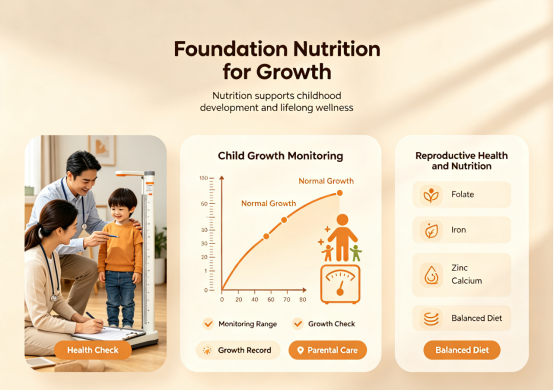
Foundational Support for Growth and Reproductive Health
The importance of zinc for children's growth and development has been extensively confirmed by research. Zinc participates in the synthesis and secretion of growth hormone and is a key cofactor for cell division and protein synthesis. Zinc‑deficient children often present with stunted growth, reduced appetite, and abnormal taste perception. The World Health Organization (WHO) has listed zinc supplementation as one of the important interventions for childhood diarrhoea and malnutrition.
In reproductive health, zinc is an essential element for spermatogenesis and testosterone synthesis. The prostate is one of the organs with the highest zinc content in the human body, and adequate zinc directly affects sperm motility and quality. For those preparing for pregnancy and men's reproductive health, zinc supplementation should not be overlooked.
Applications & Formulation: The Market Value of Zinc Sulfate
Thanks to its high water solubility, low cost, and high bioavailability, Zinc Sulfate is widely used across multiple sectors:
- Dietary Supplements: Commonly found in multivitamin/mineral tablets, immune support formulas, and acne adjunct products, typically at 10–15 mg per day (as zinc).
- Functional Foods & Beverages: Used in fortified drinks and nutrition bars to supplement daily zinc intake.
- Pharmaceuticals & Clinical Nutrition: Used for correcting zinc deficiency and as clinical adjunct for diarrhoea and wound healing.
- Animal Nutrition: Used as a feed additive to support livestock growth and immunity.
It is worth noting that while zinc has a relatively wide safety margin, long‑term excessive intake may interfere with copper absorption and lead to copper deficiency. Therefore, quality formulations strictly control dosage and maintain a reasonable ratio with copper (typically a zinc‑to‑copper ratio of 10:1 to 15:1).

Small Element, Big Defence Line
In the world of nutritional science, what truly matters is often not the loudly hyped "star ingredients," but the "foundational elements" that quietly keep the body running. Zinc is one of them.
The value of Zinc Sulfate lies not in delivering instant "miraculous effects," but in providing sustained, reliable foundational support for immunity, skin, growth, and reproductive health – in a gentle and dependable way.