


The Ultimate Guide to Acetic Acid: Uses, Strength, and Sourcing
What is Acetic Acid?
Acetic acid is a simple carboxylic acid with the chemical formula CH₃COOH. It is a colorless liquid with a pungent, unmistakably sour smell and a characteristic sour taste. It is classified as a weak acid, but it is one of the most important industrial organic chemicals due to its versatility.
In its pure, anhydrous (water-free) form, it is known as glacial acetic acid. This name comes from its tendency to freeze into ice-like crystals at cooler temperatures (16.7°C or 62°F).
Key takeaway for traders: Acetic acid is a bulk chemical commodity. Its price and demand are sensitive to global economic activity, feedstock (like methanol) costs, and production capacity.

Is Acetic Acid Vinegar?
This is a common point of confusion. The simple answer is: Vinegar contains acetic acid, but not all acetic acid is vinegar.
-
Vinegar is a dilute solution of acetic acid in water, typically ranging from 4% to 8% by volume for culinary uses. It is produced through the natural fermentation of ethanol by acetic acid bacteria. Vinegar also contains trace compounds like esters, vitamins, and minerals, which give different types (like balsamic, apple cider, or malt vinegar) their unique flavors and colors.
-
Glacial Acetic Acid is the highly concentrated form (over 99.4% purity). It is a potent chemical produced synthetically on an industrial scale and is NOT safe for consumption. It can cause severe burns and must be handled with care.
For importers/exporters: The Harmonized System (HS) codes for these products are different. Food-grade vinegar has its own code, while glacial acetic acid is classified under HS Code 2915.21.0000. Ensuring correct classification is vital for customs clearance.
What is Acetic Acid Used For?
The applications of acetic acid are vast and span numerous industries, making it a highly traded chemical.
-
Industrial Applications (Primary Use):
-
Vinyl Acetate Monomer (VAM): The largest single use of acetic acid (consuming ~40% of global production). VAM is a key precursor to polyvinyl acetate (PVA) and polyvinyl alcohol (PVOH), which are used in paints, adhesives, coatings, and textiles.
-
Purified Terephthalic Acid (PTA): A crucial raw material for producing polyethylene terephthalate (PET) plastic, used in synthetic fibers (polyester) and plastic bottles.
-
Acetic Anhydride: Used primarily to produce cellulose acetate, a material for photographic film, cigarette filters, and synthetic textiles.
-
-
Food Industry:
-
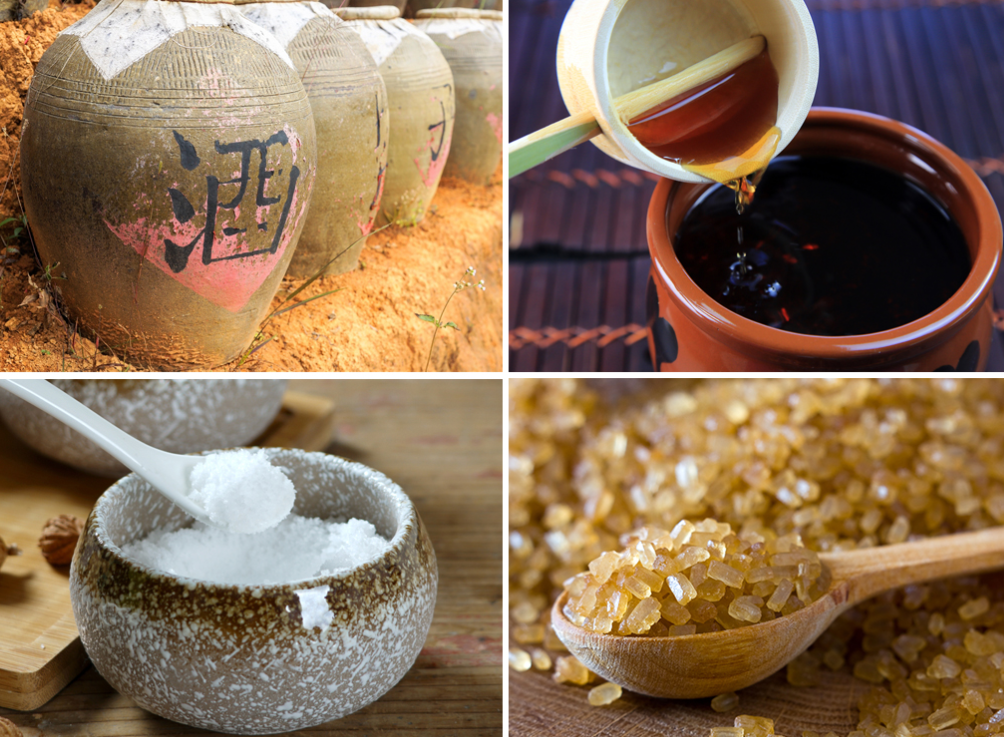
As the active component in vinegar, it is used for pickling, condiments, and as a food preservative (E260).
-
-
-
Household & Consumer Products:
-
A key ingredient in cleaning solutions for descaling kettles and cleaning windows due to its effectiveness against lime scale.
-
Used as a solvent and acidifier in personal care products and pharmaceuticals.
-
-
Other Uses:
-
Agriculture: As an herbicide (in high concentrations).
-
Medical: As a solvent and topical antiseptic.
-
Textiles: In dyeing and printing processes.
-
Is Acetic Acid Strong or Weak?
Acetic acid is definitively classified as a weak acid.
This is a chemical term referring to its tendency to only partially dissociate into ions (H⁺ and CH₃COO⁻) when dissolved in water. This contrasts with strong acids (like hydrochloric acid or sulfuric acid), which completely dissociate in water.


