


The Magic of Bergamot Oil: Natural Fragrance and the Gift of Health
2025-04-17
1. What is bergamot oil?
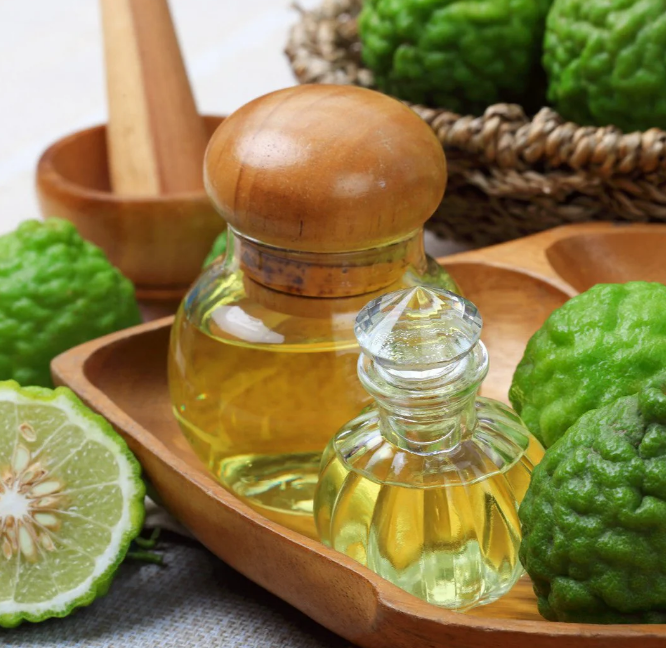
Bergamot oil is an essential oil extracted from the peel of the bergamot (Citrus bergamia) of the Rutaceae family, with a CAS number of 8007-75-81410. It is usually a light yellow to green liquid with a fresh citrus aroma and a slightly bitter taste. It is mainly produced in Italy and is often used in perfumes, skin care products, food seasoning (such as Earl Grey tea) and aromatherapy. Its chemical components include limonene, linalyl acetate, etc., which have antibacterial, antioxidant and anti-inflammatory properties.
2. Production process of bergamot oil?
The traditional extraction method of bergamot oil is cold pressing, which obtains oil by mechanically pressing fresh peels, with a yield of about 0.48%. The following are the key steps:
Raw material selection: Mature and undamaged bergamot peels are required.
Cold pressing extraction: The peels are mechanically pressed to separate the oil-water mixture, and then the pure oil is extracted by a centrifuge.
Refining (optional): Some manufacturers filter to remove impurities, but high-quality bergamot oil usually retains its natural ingredients.
Cold pressing can retain the active ingredients and aroma of the essential oil to the greatest extent, avoiding chemical changes caused by high temperature.

3. Main effects of bergamot oil?
Due to its versatility, bergamot oil is widely used in many fields:
Due to its versatility, bergamot oil is widely used in many fields:
Mood regulation: The fresh citrus aroma can relieve stress, anxiety, and improve mood, and is often used in aromatherapy19.
Skin care:
Antibacterial properties: It can assist in the treatment of skin inflammation such as acne and eczema.
Antioxidant: Delay skin aging and promote wound healing.
Digestive health: Massage the abdomen after dilution to relieve bloating and indigestion.
Fixing effect: As a middle or base note in perfume, it can prolong the fragrance when paired with other essential oils (such as sandalwood and jasmine).
Food seasoning: It is the core flavor source of Earl Grey tea.
Note: Bergamot oil is photosensitive (contains furanocoumarin), so avoid direct sunlight after use to prevent skin allergies.
Diffuser: Add 3-5 drops to create a relaxing or refreshing atmosphere.
Bathing: Mix with carrier oil and add to the bathtub to relieve fatigue.
Topical application:
Dilution ratio: Usually used for massage or skin care at a concentration of 1-2% (such as 10ml carrier oil plus 2-4 drops of essential oil).
Skin problems: Be cautious when applying directly, and it is recommended to mix with tea tree oil or aloe vera gel for use6.
DIY perfume:
Formula example: 15% bergamot oil (about 40 drops/10ml alcohol) as the top note, with sandalwood (base note) and jasmine (middle note).
Food additives: A small amount is used for baking or tea flavoring (food grade certification must be confirmed).
5.Where to buy Bergamot oil?
Previous News: Unlocking the Secrets of Lavender Oil: A Natural Remedy for Wellness and Sleep
Next News: Citric Acid--- The Secret Powerhouse in Your Pantry & Beyond


