


Salicin: Nature's Original Pain Reliever and Anti-inflammatory
Salicin: Nature's Original Pain Reliever and Anti-inflammatory
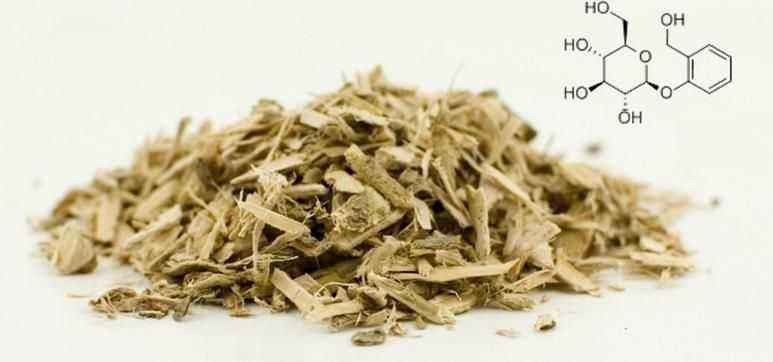
Salicin, the natural precursor to modern aspirin, has been used for centuries as a traditional remedy for pain and inflammation. Derived primarily from willow bark (Salix species), this remarkable glycoside represents one of nature's most effective analgesic and anti-inflammatory compounds.
Historical Significance
Ancient Wisdom, Modern Science: The use of willow bark for pain relief dates back to ancient civilizations. Hippocrates (c. 400 BCE) recommended chewing willow bark to relieve pain and fever. This traditional knowledge eventually led to the discovery and isolation of salicin in 1828 by German pharmacist Johann Buchner, paving the way for the development of acetylsalicylic acid (aspirin) in 1897.
Did you know? Salicin is named after the Latin name for willow - Salix. The compound undergoes metabolic conversion in the human body to salicylic acid, which provides the therapeutic effects similar to aspirin but with potentially gentler gastrointestinal effects.

Mechanism of Action
Salicin undergoes a sophisticated metabolic process in the human body:
- Step 1: Salicin is hydrolyzed in the intestine to D-glucose and salicyl alcohol
- Step 2: Salicyl alcohol is oxidized in the blood and liver to salicylic acid
- Step 3: Salicylic acid exerts therapeutic effects through multiple mechanisms
- COX Inhibition: Irreversibly inhibits cyclooxygenase (COX) enzymes, reducing prostaglandin synthesis
- NF-κB Pathway: Suppresses nuclear factor kappa-light-chain-enhancer of activated B cells, reducing inflammation
- Cytokine Modulation: Decreases production of pro-inflammatory cytokines including TNF-α and IL-6
- Oxidative Stress Reduction: Scavenges free radicals and enhances antioxidant defenses
- Gentler on Stomach: Natural conversion process may reduce gastrointestinal irritation compared to synthetic aspirin
- Sustained Release: Metabolic conversion provides gradual release of active compounds
- Multiple Active Compounds: Willow bark contains additional beneficial compounds like flavonoids and polyphenols
- Natural Synergy: Other compounds in willow bark may enhance salicin's effects and reduce side effects
- Broader Anti-inflammatory Action: Works through multiple pathways beyond COX inhibition
Clinical studies demonstrate significant reduction in pain and improved mobility in osteoarthritis patients. A 2019 meta-analysis showed willow bark extract comparable to conventional NSAIDs for osteoarthritis pain relief.
Effective for tension headaches and mild to moderate migraines. Studies show comparable efficacy to aspirin with potentially fewer side effects.
Traditional use supported by modern research for reducing fever. The metabolic conversion to salicylic acid provides antipyretic effects.
Shows promise as adjunct therapy for rheumatoid arthritis, reducing pain and inflammation markers in clinical studies.
Effective for toothaches and post-dental procedure pain. The anti-inflammatory action reduces swelling and discomfort.
Beneficial for exercise-induced muscle soreness and general musculoskeletal pain. Helps reduce delayed onset muscle soreness (DOMS).
Pharmacological Profile & Dosage
- Chemical Name: 2-(Hydroxymethyl)phenyl-β-D-glucopyranoside
- Molecular Formula: C₁₃H₁₈O₇
- Molecular Weight: 286.28 g/mol
- Appearance: White crystalline powder
- Solubility: Soluble in water and alcohol
- Melting Point: 199-202°C
- Standardized Extract: Typically providing 120-240 mg salicin daily
- Willow Bark Tea: 1-2 grams of dried bark in 150 ml boiling water, 3-4 times daily
- Tincture: 1-2 ml three times daily (1:5 ratio in 25% alcohol)
- Capsules/Tablets: 400-600 mg standardized extract three times daily
- Onset of Action: Effects typically noticed within 1-2 hours
- Duration: Effects last 4-6 hours
Salicin is readily absorbed from the gastrointestinal tract and undergoes extensive first-pass metabolism. Peak plasma concentrations of salicylic acid occur approximately 2 hours after administration.
Safety & Tolerability Profile
Salicin is generally well-tolerated when used at recommended doses. Potential side effects include:
- Mild gastrointestinal discomfort (less common than with aspirin)
- Allergic reactions in sensitive individuals (rare)
- Reversible hearing changes at very high doses
- Potential for increased bleeding time (similar to other salicylates)
- Anticoagulants: May enhance effects of warfarin and other blood thinners
- Other NSAIDs: Potential for additive effects and increased side effects
- Methotrexate: May decrease renal clearance
- ACE Inhibitors: Possible reduction in antihypertensive effects
- Salicylate Allergy: Contraindicated in individuals with known hypersensitivity
- Pregnancy & Lactation: Avoid use unless directed by healthcare provider
- Children & Adolescents: Caution due to theoretical risk of Reye's syndrome
- Renal Impairment: Use with caution in severe kidney disease
- Peptic Ulcers: Avoid in individuals with active gastrointestinal ulcers
- Surgery: Discontinue use at least 2 weeks before scheduled surgery
Premium Salicin Extract from RUI ZELIN
As a trusted supplier of natural ingredients, RUI ZELIN provides high-quality Salicin extracted from sustainably harvested willow bark, meeting the highest standards of purity and potency.
Standardized to 15%, 25%, or 50% salicin content with comprehensive quality control
Sustainably harvested from Salix alba and other willow species
GMP compliant with full traceability and analytical documentation
Ideal for dietary supplements, herbal remedies, and topical formulations
Contact us today for technical specifications, pricing, and samples of our premium Salicin extracts!
Key Takeaways
- Salicin is a natural analgesic and anti-inflammatory compound derived from willow bark
- It serves as the natural precursor to aspirin, with potentially gentler gastrointestinal effects
- Effective for osteoarthritis, headaches, fever, and various inflammatory conditions
- Works through COX inhibition, NF-κB suppression, and antioxidant mechanisms
- RUI ZELIN offers high-quality, standardized Salicin extracts for natural product formulations

Salicin represents one of nature's most valuable contributions to pain management and inflammation control. With centuries of traditional use and modern scientific validation, it continues to offer a natural alternative to synthetic pain relievers. As consumer demand for natural health solutions grows, Salicin stands as a testament to the enduring power of plant-based medicine.


