


Plant-Powered Protein: The Future of Nutritional Innovation
2026-03-17
The Rise of Plant-Based Nutrition: A Global Paradigm Shift
The global shift toward plant-based eating is no longer a niche trend; it has become a mainstream movement driven by a confluence of factors. Health-conscious individuals are recognizing the link between diet and chronic disease prevention, while environmental advocates are highlighting the significant carbon footprint of livestock agriculture. Additionally, the rise of veganism, vegetarianism, and flexitarian diets has created a robust market for plant-derived ingredients that can match, and in many cases exceed, the nutritional value of animal proteins.
Plant-based proteins offer a compelling solution to these challenges. They are inherently sustainable, requiring far less water, land, and energy to produce compared to meat, dairy, and eggs. Moreover, they are rich in fiber, vitamins, minerals, and antioxidants—nutrients that are often lacking in highly processed animal products. As a result, food manufacturers, supplement brands, and consumers alike are turning to plant proteins as a versatile and nutritious foundation for a wide range of products, from sports nutrition supplements to plant-based meal replacements and functional foods.
Exploring the Diverse Portfolio of Plant Protein Powders
The following is a comprehensive look at 13 cutting-edge plant protein powders, each offering distinct nutritional benefits and functional properties:
Pea Protein Powder
Pea protein powder, derived from yellow peas, is one of the most popular plant-based proteins on the market. It is a complete protein, meaning it contains all nine essential amino acids, making it an excellent choice for muscle repair and growth. With a high lysine content, pea protein supports immune function and collagen synthesis, while its low glycemic index makes it suitable for blood sugar management. Additionally, it is naturally gluten-free, dairy-free, and hypoallergenic, making it accessible to those with common food sensitivities.
Rice Protein Powder
Rice protein powder, made from brown or white rice, is a highly digestible, hypoallergenic protein source. It is rich in branched-chain amino acids (BCAAs), which are critical for muscle recovery and energy production during exercise. While rice protein is not a complete protein on its own, it pairs well with other plant proteins (such as pea protein) to create a balanced amino acid profile. Its neutral flavor and smooth texture make it a versatile ingredient for smoothies, baked goods, and protein bars.
Brown Rice Protein Powder
Brown rice protein powder is a nutrient-dense variant of rice protein, retaining the fiber, vitamins, and minerals found in the bran and germ of the rice kernel. It is a complete protein when combined with complementary proteins, offering a rich supply of B vitamins, magnesium, and selenium—nutrients that support energy metabolism, bone health, and antioxidant defense. Brown rice protein is also ideal for those with digestive sensitivities, as it is gentle on the gut and easy to absorb.
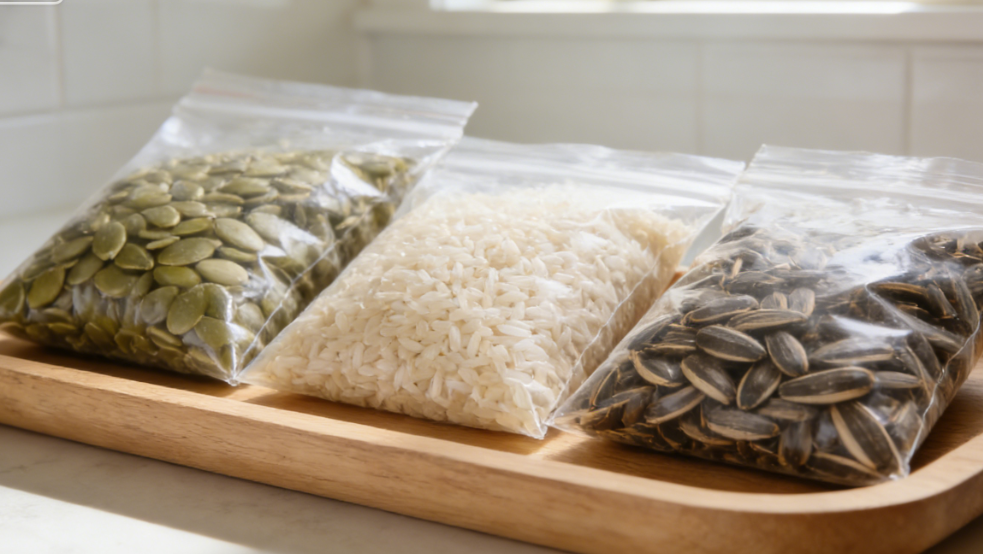
Pumpkin Seed Protein Powder
Pumpkin seed protein powder is a nutrient powerhouse, packed with protein, healthy fats, and minerals like zinc, iron, and magnesium. It is a complete protein, boasting a balanced amino acid profile that includes high levels of arginine, an amino acid that supports cardiovascular health and immune function. Pumpkin seed protein is also rich in antioxidants, such as carotenoids and vitamin E, which help protect cells from oxidative stress. Its nutty flavor makes it a delicious addition to smoothies, oatmeal, and savory dishes.
Sunflower Seed Protein Powder
Sunflower seed protein powder is derived from sunflower seeds, offering a rich source of protein, fiber, and essential fatty acids. It is a complete protein, with a high concentration of tryptophan, an amino acid that promotes relaxation and sleep. Sunflower seed protein is also abundant in vitamin E, a powerful antioxidant that supports skin health and immune function. Its mild, nutty taste and smooth texture make it a versatile ingredient for a variety of culinary applications.
Hemp Seed Protein Powder
Hemp seed protein powder is made from the seeds of the hemp plant, a sustainable crop that requires minimal water and no pesticides. It is a complete protein, containing all nine essential amino acids, and is particularly rich in omega-3 and omega-6 fatty acids, which support brain health and reduce inflammation. Hemp seed protein is also a good source of fiber, magnesium, and iron, making it a nutrient-dense choice for overall wellness. Its earthy, nutty flavor pairs well with fruits, vegetables, and other plant proteins.
Fava Bean Protein
Fava bean protein, derived from broad beans, is a sustainable, high-protein ingredient with a mild, earthy flavor. It is a complete protein, offering a balanced amino acid profile that includes high levels of lysine and leucine—amino acids critical for muscle growth and repair. Fava bean protein is also rich in fiber, iron, and folate, nutrients that support digestive health, red blood cell production, and fetal development. It is an excellent choice for those seeking a plant-based protein that is both nutritious and environmentally friendly.
Mung Bean Protein Isolate
Mung bean protein isolate is a highly purified form of protein derived from mung beans, offering a concentrated source of protein with minimal carbohydrates and fat. It is a complete protein, with a balanced amino acid profile that is well-suited for sports nutrition and muscle recovery. Mung bean protein is also hypoallergenic and easy to digest, making it a suitable option for those with sensitive stomachs. Its neutral flavor and high solubility make it an ideal ingredient for clear beverages, protein shakes, and functional foods.
Oat Protein
Oat protein, extracted from oats, is a nutritious, fiber-rich protein source that is naturally gluten-free (when produced in a gluten-free facility). It is a complete protein, containing all nine essential amino acids, and is particularly rich in beta-glucan, a soluble fiber that supports heart health and cholesterol management. Oat protein is also a good source of iron, magnesium, and B vitamins, making it a well-rounded choice for overall wellness. Its creamy, mild flavor makes it a popular addition to smoothies, oatmeal, and plant-based milk alternatives.
Oat Milk Powder (Enzymatic) Spray Drying
Enzymatically processed oat milk powder, produced via spray drying, is a convenient, shelf-stable alternative to liquid oat milk. It retains the nutritional benefits of oats, including protein, fiber, and beta-glucan, while offering the convenience of a powder format. The enzymatic process breaks down complex carbohydrates into simpler sugars, enhancing the powder’s solubility and creating a smooth, creamy texture when reconstituted with water. Oat milk powder is ideal for use in coffee, tea, smoothies, and baking, providing a plant-based, dairy-free option for consumers.
Spirulina Powder
Spirulina powder, a type of blue-green algae, is a nutrient-dense superfood that is rich in protein, vitamins, minerals, and antioxidants. It is a complete protein, containing all nine essential amino acids, and is one of the few plant sources of vitamin B12, making it a valuable addition to vegan and vegetarian diets. Spirulina is also packed with chlorophyll, phycocyanin, and carotenoids—antioxidants that support immune function, reduce inflammation, and protect against oxidative stress. Its vibrant green color and earthy flavor make it a popular ingredient for smoothies, energy balls, and green juices.
Chlorella Powder
Chlorella powder, another type of green algae, is a nutrient powerhouse that is rich in protein, fiber, and chlorophyll. It is a complete protein, offering a balanced amino acid profile, and is a good source of iron, calcium, and omega-3 fatty acids. Chlorella is also known for its detoxifying properties, as it binds to heavy metals and other toxins in the body, supporting liver function and overall detoxification. Its mild, grassy flavor makes it a versatile ingredient for smoothies, soups, and savory dishes.
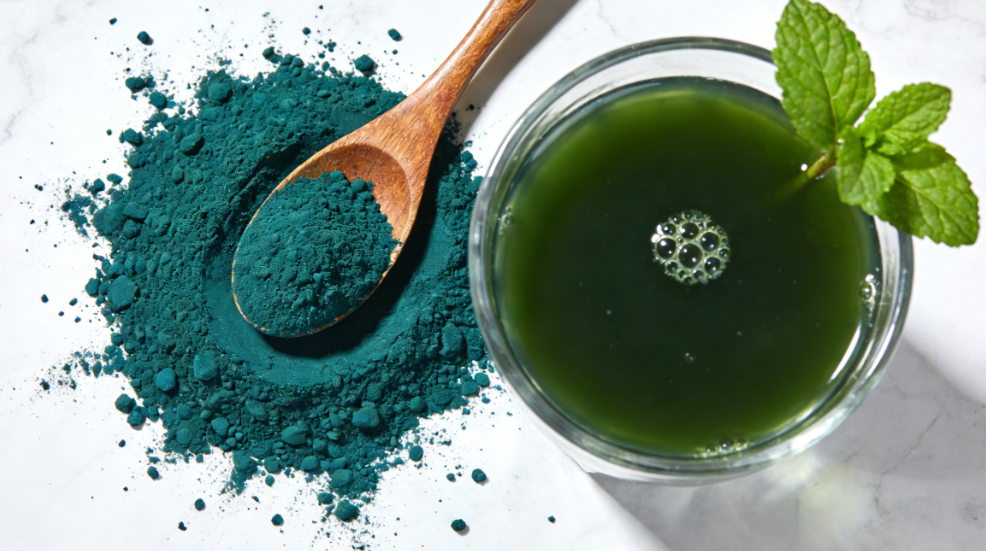
Blue Spirulina Powder/Phycocyanin
Blue spirulina powder, also known as phycocyanin, is a blue pigment extracted from spirulina algae. It is a rich source of protein and antioxidants, particularly phycocyanin, a powerful antioxidant that has been shown to support immune function, reduce inflammation, and protect against oxidative stress. Blue spirulina is also a natural food colorant, offering a vibrant blue hue that is ideal for use in beverages, desserts, and functional foods. Its mild flavor and high solubility make it a popular choice for creating visually appealing, nutrient-dense products.
Nutritional Advantages of Plant-Based Protein Powders
Plant-based protein powders offer a host of nutritional advantages that make them a superior choice for many consumers:
Complete Amino Acid Profiles
While some plant proteins are incomplete on their own (lacking one or more essential amino acids), many of the powders listed above are complete proteins, or can be combined with other plant proteins to create a balanced amino acid profile. This makes them a viable alternative to animal proteins, providing the building blocks necessary for muscle growth, repair, and overall cellular function.
Rich in Fiber and Micronutrients
Unlike many animal proteins, which are often low in fiber and micronutrients, plant-based protein powders are rich in dietary fiber, vitamins, minerals, and antioxidants. Fiber supports digestive health and helps regulate blood sugar levels, while vitamins and minerals like iron, magnesium, and B vitamins play critical roles in energy metabolism, immune function, and bone health.
Hypoallergenic and Digestible
Many plant-based protein powders are hypoallergenic, making them suitable for those with common food allergies or sensitivities, such as gluten, dairy, soy, or nuts. Additionally, plant proteins are generally easy to digest, reducing the risk of bloating, gas, and other digestive discomfort that can be associated with animal-derived proteins.
Sustainable and Environmentally Friendly
Plant-based proteins have a significantly lower environmental impact compared to animal proteins. They require less water, land, and energy to produce, and generate fewer greenhouse gas emissions. For example, producing 1 kilogram of pea protein requires approximately 10 times less water and emits 10 times less carbon dioxide than producing 1 kilogram of beef protein. This makes plant-based proteins a more sustainable choice for consumers who are concerned about the environmental footprint of their food choices.
Functional Applications: From Sports Nutrition to Functional Foods
The versatility of plant-based protein powders extends far beyond basic protein supplementation, making them a key ingredient in a wide range of functional food and beverage products:
Sports Nutrition and Muscle Recovery
Plant-based protein powders are increasingly popular among athletes and fitness enthusiasts, as they provide a clean, sustainable source of protein for muscle growth and recovery. Complete proteins like pea, hemp, and pumpkin seed protein are rich in BCAAs, which are critical for reducing muscle soreness and promoting muscle repair after exercise. Additionally, plant proteins are low in saturated fat and cholesterol, making them a heart-healthy choice for athletes.
Meal Replacements and Weight Management
Plant-based protein powders are a convenient and nutrient-dense option for meal replacements and weight management. They are high in protein and fiber, which promote satiety and help regulate appetite, making them an effective tool for weight loss and weight maintenance. Additionally, plant-based meal replacements are often lower in calories and sugar than their animal-based counterparts, making them a healthier choice for those looking to manage their weight.

Functional Foods and Beverages
Plant-based protein powders are being incorporated into a wide range of functional foods and beverages, including plant-based milks, smoothies, protein bars, baked goods, and even savory dishes. They offer a neutral or mild flavor that can be easily masked with other ingredients, making them a versatile choice for product developers. Additionally, plant proteins can enhance the nutritional profile of these products, adding protein, fiber, and other essential nutrients without compromising taste or texture.
Specialty Diets and Allergen-Free Options
Plant-based protein powders are a valuable resource for individuals following specialty diets, such as vegan, vegetarian, gluten-free, dairy-free, or paleo diets. They provide a convenient and reliable source of protein that is compatible with these dietary restrictions, ensuring that consumers can meet their nutritional needs without sacrificing taste or convenience.
Market Trends and Future Outlook
The global market for plant-based proteins is experiencing explosive growth, driven by increasing consumer demand for healthy, sustainable, and ethical food options. According to recent market research, the plant-based protein market is projected to reach a value of over $50 billion by 2030, growing at a compound annual growth rate (CAGR) of over 8% from 2024 to 2030. This growth is being fueled by a number of key trends:
Rising Demand for Clean-Label Ingredients
Consumers are increasingly seeking clean-label products that are made with simple, recognizable ingredients. Plant-based protein powders align with this trend, as they are often made with a single ingredient (e.g., pea protein, rice protein) and are free from artificial additives, preservatives, and synthetic chemicals.
Growth of Functional Nutrition
The demand for functional foods and beverages that offer specific health benefits (such as muscle recovery, immune support, or gut health) is on the rise. Plant-based protein powders are well-positioned to capitalize on this trend, as they can be fortified with additional nutrients (such as vitamins, minerals, and probiotics) to create targeted functional products.
Expansion of E-Commerce and Direct-to-Consumer Channels
The growth of e-commerce and direct-to-consumer (DTC) channels has made it easier than ever for consumers to access plant-based protein products. Online retailers and DTC brands are able to offer a wide range of products, competitive pricing, and personalized recommendations, making plant-based proteins more accessible to a global audience.
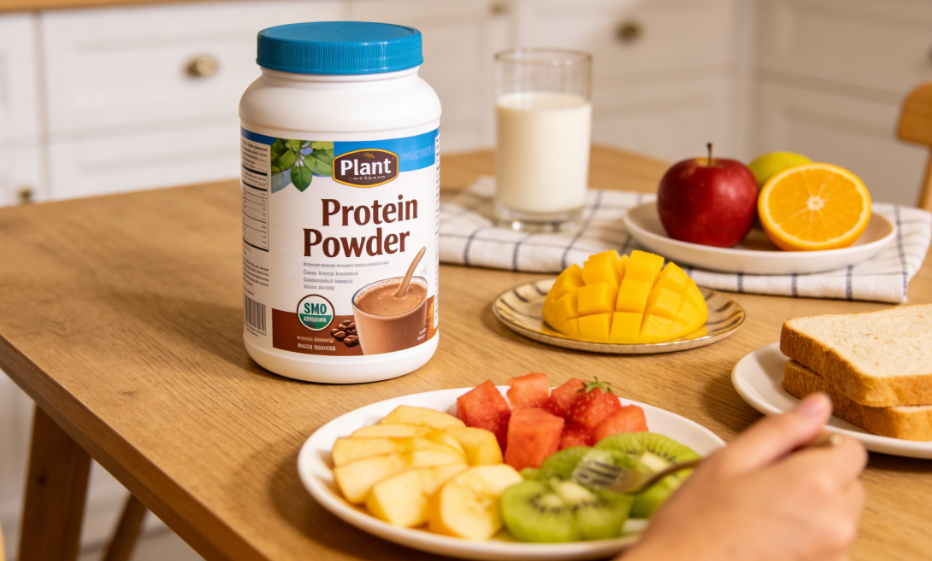
Innovation in Product Development
Food manufacturers and supplement brands are continuously innovating to create new and improved plant-based protein products. This includes the development of new protein sources (such as algae and insect proteins), improved extraction and processing techniques, and the creation of innovative product formats (such as protein water, protein coffee, and protein snacks).
Conclusion: Embracing the Plant-Powered Revolution
The rise of plant-based protein powders represents a transformative shift in the way we think about nutrition and food production. These innovative ingredients offer a sustainable, nutritious, and versatile alternative to animal proteins, addressing the growing demand for healthy, ethical, and environmentally friendly food options. From pea protein and rice protein to spirulina and chlorella, the diverse portfolio of plant-based protein powders is empowering consumers to take control of their health and make choices that align with their values.
As the global population continues to grow and the need for sustainable food systems becomes increasingly urgent, plant-based proteins will play a critical role in feeding the world while protecting the planet. By embracing the plant-powered revolution, we can create a healthier, more sustainable, and more equitable food future for generations to come.
Would you like me to adjust the tone to be more marketing-focused (e.g., emphasizing product benefits for a brand launch) or more scientific (e.g., adding detailed nutritional data and research citations)?
For more than information for Plant-Powered Protein,please visit //www.ruizelinbio.com/ or email address:info@ruizelinherb.com. We will reply to you as soon as possible,Thanks very much
Previous News: Zeaxanthin: Your Eyes’ Natural Shield in a Digital World
Next News: Vitamin E Powder-Unlock Cellular Protection and Radiant Vitality.


