


NAC, Sulforaphane, Alliin, Ergothioneine - Who is the Sulfur Superstar in Antioxidants?
NAC, Sulforaphane, Alliin, Ergothioneine - Who is the Sulfur Superstar in Antioxidants?
For anti-aging enthusiasts, you're probably familiar with glutathione - it's an extremely potent endogenous antioxidant in the human body. But some might not know that glutathione's activity depends on a key structural component: the thiol group (-SH).
The four anti-aging components we often hear about (NAC, sulforaphane, alliin, ergothioneine) all contain sulfur groups themselves and can synergistically enhance the body's antioxidant capacity.
So what exactly does the sulfur group do? How do these four components differ? Today, we'll share the core value of these "sulfur-based components".
Why Are "Sulfur-Containing" Components So Important?
The Fundamental Logic of Antioxidants and Glutathione
Our bodies constantly produce free radicals (such as reactive oxygen species, ROS). Free radicals at normal physiological levels can participate in important physiological processes like immune responses.
But when free radical production exceeds the body's clearance capacity, they can damage cell membranes, DNA, and proteins, becoming a significant factor in accelerated aging, inflammation, and even various diseases.
Glutathione is the body's primary antioxidant against excess free radicals. Its ability to function lies in the thiol group (-SH) - this group actively binds with free radicals, neutralizing their activity and preventing them from damaging cellular components.
For example, when reactive oxygen species (ROS) attempt to attack DNA, glutathione's thiol group binds with ROS first, forming stable compounds so ROS can no longer damage DNA.
The Problem: Glutathione gets constantly depleted. Factors like staying up late, high-sugar diets, UV exposure, chronic stress, and intense exercise all accelerate glutathione consumption. As we age, the body's ability to synthesize glutathione also declines.
This is where sulfur-containing components come into play: they either directly provide key raw materials for glutathione synthesis or activate the body's antioxidant system, helping glutathione regenerate or improving its synthesis efficiency.
For instance, synthesizing glutathione requires three amino acids: glutamic acid, glycine, and cysteine.
Among these, cysteine is the more easily deficient raw material. The body's own synthesis of cysteine is limited and difficult to meet high consumption scenarios.
Many sulfur-containing components (like NAC) can be converted into cysteine in the body, essentially adding raw materials for glutathione synthesis.
Other sulfur-containing components (like sulforaphane) can activate the body's Nrf2 pathway.
This pathway is the "core switch" that regulates the antioxidant system. When activated, the body not only synthesizes more glutathione synthase but also produces other antioxidant enzymes like superoxide dismutase and catalase, essentially improving the efficiency of the entire antioxidant production line.
Simply put, the importance of sulfur-containing components lies in their ability to help the body maintain stable glutathione levels, allowing this primary antioxidant to continuously handle excess free radicals, thereby reducing the risk of aging, inflammation, and other issues.
Comparison of Four Sulfur Components: What Are Their Characteristics?
Although all contain sulfur and support glutathione, these four supplements work in completely different ways. Below is a breakdown from the perspective of mechanism of action and core efficacy:
NAC
NAC is a derivative of cysteine. After entering the body, it quickly converts to cysteine and is currently the most widely studied glutathione precursor supplement.
Its action is direct: after supplementing cysteine, the body's glutathione synthesis speed increases, thereby raising glutathione levels in blood and cells.
NAC (N-acetylcysteine) cannot be directly obtained from daily diet. Although natural foods contain cysteine (such as eggs, lean meat, legumes and other protein-rich foods), which can still be used to synthesize glutathione, the conversion efficiency is limited by various factors (such as age, metabolic state).
Therefore, choosing to directly supplement NAC can more quickly increase cysteine levels.
Sulforaphane
Unlike NAC, sulforaphane doesn't directly provide raw materials but works by activating the Nrf2 pathway.
The Nrf2 pathway is the body's "antioxidant regulation system." Under normal conditions, Nrf2 binds to its inhibitory protein Keap1 and is continuously degraded, with very low activity.
Therefore, this pathway is usually in a "dormant" state. When activated by sulforaphane, the body initiates a series of responses: on one hand, it upregulates glutamate-cysteine ligase (GCL) and glutathione synthase, increasing glutathione synthesis.
On the other hand, it synthesizes antioxidant enzymes like superoxide dismutase (SOD) and catalase, which can catalyze the conversion/clearance of free radicals. Simply put, sulforaphane doesn't act directly but commands the body to become stronger itself.
Sulforaphane mainly comes from cruciferous vegetables, such as broccoli, kale, cauliflower, and Brussels sprouts.
But note: sulforaphane in these plants doesn't exist directly but in a "sulforaphane precursor" form that needs activation to become active sulforaphane. The key to activation is myrosinase, an enzyme present in plant cells that only reacts with the precursor when plant cells are damaged (such as chopped or chewed).
Alliin
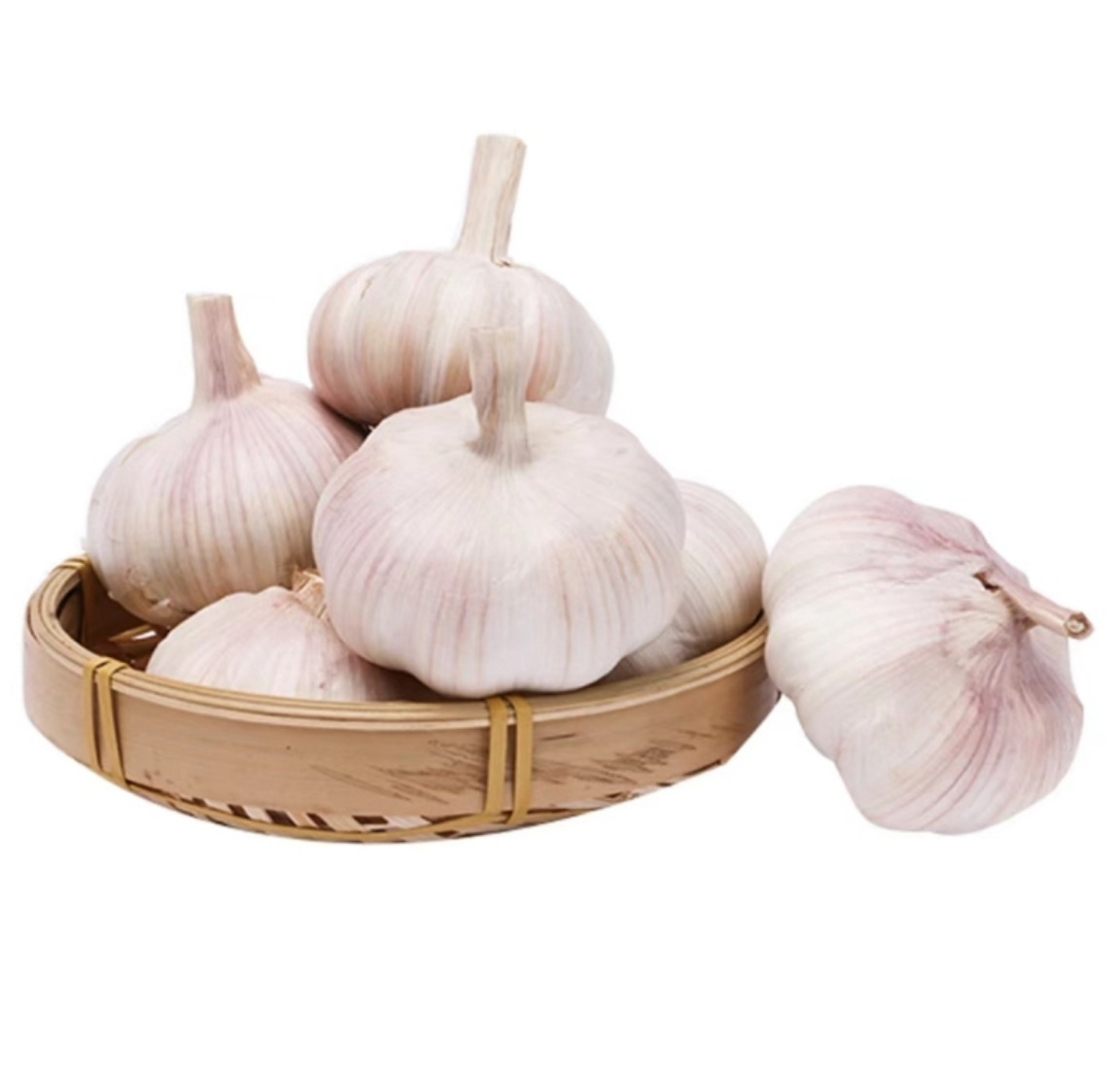
Alliin is the main active component in garlic. Its own antioxidant effect is not strong, but after entering the body, it is hydrolyzed by "allinase" in garlic into allicin, allyl sulfide and other substances.
These metabolites can indirectly support antioxidant functions. Specifically, on one hand, they can inhibit the activity of xanthine oxidase, an enzyme that promotes free radical production. Inhibition reduces the source of free radicals.
On the other hand, they can enhance the activity of glutathione peroxidase, an enzyme that partners with glutathione to help it clear free radicals more efficiently.
Alliin is mainly found in garlic, with small amounts in onions, leeks and other Liliaceae plants, but far less than in garlic.
Similar to sulforaphane, alliin also needs activation: when garlic is intact, alliin and allinase are in different cellular structures and do not react.
Only when garlic is chopped, chewed, or crushed, damaging the cellular structure, can allinase react with alliin to produce active substances like allicin.

Ergothioneine
Ergothioneine's antioxidant effect is very precise. Its thiol group can directly bind with free radicals, and it has particularly strong scavenging ability for hydroxyl radicals.
Hydroxyl radicals are the most reactive and harmful of all free radicals, capable of directly damaging DNA and cell membranes. Ergothioneine's efficiency in scavenging hydroxyl radicals is several to dozens of times that of vitamin C.
At the same time, ergothioneine can also protect mitochondria. Ergothioneine can enter mitochondria, reducing free radical damage to mitochondria, making cellular energy supply more stable.
Ergothioneine is mainly found in mushrooms, such as shiitake, enoki, and oyster mushrooms, but in very low amounts. It's impractical to obtain sufficient amounts by eating mushrooms.
Therefore, ergothioneine supplementation mainly relies on supplements. Ergothioneine exists in two molecular structures, L-type and D-type, but only L-type can be recognized and absorbed by the body's OCTN1 transporter protein, thus entering cells (especially mitochondria) to exert antioxidant, DNA protection and other effects. D-type has no biological activity.
Who is the "Sulfur Superstar"? Choose According to Your Needs
After explaining the characteristics of the four components, you might still wonder: which one is the best? Because each component has different advantage scenarios, the one that fits your needs is the best choice. Let's talk about different scenarios so you can find the right match.
And you want to address inflammation and cardiovascular health besides antioxidant effects, then the combination of sulforaphane and alliin is most suitable.
Both components can be obtained from daily diet, and they complement each other: sulforaphane activates the antioxidant system, alliin assists in clearing free radicals and protecting cardiovascular health, while also allowing intake of other nutrients through diet (such as dietary fiber in broccoli, vitamin B6 in garlic), killing multiple birds with one stone.
Prioritize NAC.
NAC can provide support for liver detoxification. For example, after frequently staying up late working overtime, dizziness and nausea after excessive alcohol consumption, or long-term use of antibiotics, painkillers and other medications, worrying about excessive liver metabolic pressure, it can target the liver to provide assistance, helping to alleviate discomfort.
Not just antioxidant, but also hoping to address anti-inflammatory and anti-glycation needs simultaneously, sulforaphane is more suitable.
Supplementing sulforaphane has many health benefits, including assisting in reducing certain cancer risks, while also providing neuroprotection, promoting liver detoxification, maintaining cardiovascular health, and helping resist viruses. At the metabolic level, it can also help regulate blood sugar levels and enhance insulin sensitivity, further covering daily health needs.
And need blood lipid regulation, allicin would be a more suitable choice.
It has less irritation to the gastrointestinal tract, suitable for daily maintenance. For example, people who easily experience bloating or acid reflux when taking other active components can use allicin to avoid gastrointestinal discomfort.
At the same time, for those with daily diets heavy in oil and salt, worrying about increased intestinal burden and affected blood lipid metabolism, allicin can also play a positive role.
Especially focusing on neuroprotection, skin anti-aging, or belonging to high-intensity brain users, ergothioneine can provide more targeted support.
It naturally accumulates in organs prone to oxidative stress like the liver, kidneys, and brain, can cross the blood-brain barrier, directly clear mitochondrial ROS, reduce neuroinflammation, and maintain neuronal energy supply.
Simultaneously activating the Nrf2/HO-1 pathway, it enhances the skin's own antioxidant network, reducing photoaging and advanced glycation end product deposition, achieving deep anti-aging from the inside out.
Ultimately, the core of choosing sulfur-containing components is not finding the "best" one, but finding the "right" one.
Whether combining from food or selecting supplements according to needs, as long as it fits your lifestyle habits and body needs, you can fully utilize the antioxidant and maintenance effects of sulfur-containing components, truly helping your body.
Key Takeaways
- Sulfur-containing components support glutathione, the body's primary antioxidant
- NAC directly provides cysteine for glutathione synthesis
- Sulforaphane activates the Nrf2 pathway to enhance the entire antioxidant system
- Alliin converts to allicin with indirect antioxidant and cardiovascular benefits
- Ergothioneine offers precise antioxidant protection, especially for mitochondria
- Choose based on your specific health needs and lifestyle
Disclaimer: The above content aims to provide general medical, health, and medication-related科普 knowledge, for reference only, and cannot replace any personal medical diagnosis and treatment advice. If you have any health problems, be sure to consult a professional doctor promptly.


