


Metformin: A Comprehensive Guide for Global Buyers
1. What is Metformin?
Metformin Hydrochloride is a first-line oral antihyperglycemic medication belonging to the biguanide class. Unlike many other diabetes drugs, it does not stimulate insulin secretion from the pancreas. Instead, it works by:
-
Decreasing hepatic glucose production: It reduces the amount of sugar the liver releases into the bloodstream.
-
Improving insulin sensitivity: It helps the body's muscles use insulin more effectively to absorb glucose from the blood.
-
Reducing intestinal glucose absorption: It modestly decreases the absorption of sugar from the gut.
Its efficacy, long-term safety profile, and cost-effectiveness have made it the most widely prescribed initial medication for managing type 2 diabetes across the globe for decades. It is available in various forms, including immediate-release (IR) tablets, extended-release (ER/XR) tablets, and as a bulk API for formulation.

2. Efficacy and Primary Applications
Core Indication: Type 2 Diabetes Mellitus
-
First-Line Therapy: It is the recommended initial pharmacological agent upon diagnosis, often prescribed alongside lifestyle modifications (diet and exercise).
-
Combination Therapy: It is frequently combined with other classes of antidiabetic drugs (e.g., sulfonylureas, DPP-4 inhibitors, SGLT2 inhibitors, insulin) for enhanced glycemic control.
-
Prevention: It is sometimes used to delay or prevent the onset of type 2 diabetes in individuals with prediabetes, particularly those at high risk.
Emerging and Off-Label Uses (Subject to Regional Regulations):
-
Polycystic Ovary Syndrome (PCOS): Commonly used to improve insulin resistance, regulate menstrual cycles, and support ovulation in women with PCOS.
-
Weight Management: Its modest weight-neutral or weight-reducing effect is beneficial for diabetic patients, and it is sometimes explored in obesity management protocols.
-
Gestational Diabetes: In some regions, it is used as an alternative to insulin for managing gestational diabetes under strict medical supervision.
3. Critical Precautions and Side Effects
A. Contraindications & Warnings:
-
Renal Impairment: Severe renal dysfunction (e.g., eGFR <30 mL/min) is a major contraindication due to the risk of lactic acidosis, a rare but serious metabolic complication. Renal function must be assessed before and during therapy.
-
Conditions Predisposing to Hypoxia: Contraindicated in patients with conditions that can cause tissue hypoxia (e.g., acute/chronic heart failure, respiratory failure, recent myocardial infarction, sepsis), as these increase lactic acidosis risk.
-
Hepatic Disease: Not recommended in patients with severe liver disease.
-
Alcohol Abuse: Excessive alcohol intake potentiates the risk of lactic acidosis and hypoglycemia.
-
Surgery & Radiological Procedures: May need to be temporarily discontinued around the time of procedures using iodinated contrast media.
B. Common Side Effects:
Gastrointestinal disturbances are most frequent, especially at therapy initiation: diarrhea, nausea, vomiting, abdominal bloating, and loss of appetite. These often subside with time. Taking the medication with food or switching to an extended-release formulation can significantly mitigate these effects.
C. Important for Sourcing & Compliance:
-
Quality & Purity: Sourcing from certified manufacturers compliant with WHO-GMP, ICH guidelines, and major pharmacopoeias (USP, EP, JP) is non-negotiable. Impurities must be strictly controlled.
-
Documentation: Reliable suppliers provide comprehensive documentation: Certificate of Analysis (CoA), Stability Data, DMF (Drug Master File) references, and full regulatory support.
-
Storage & Handling: The API and finished products require storage in a cool, dry place, protected from moisture.
-

4. Key Global Hot-Sell Markets
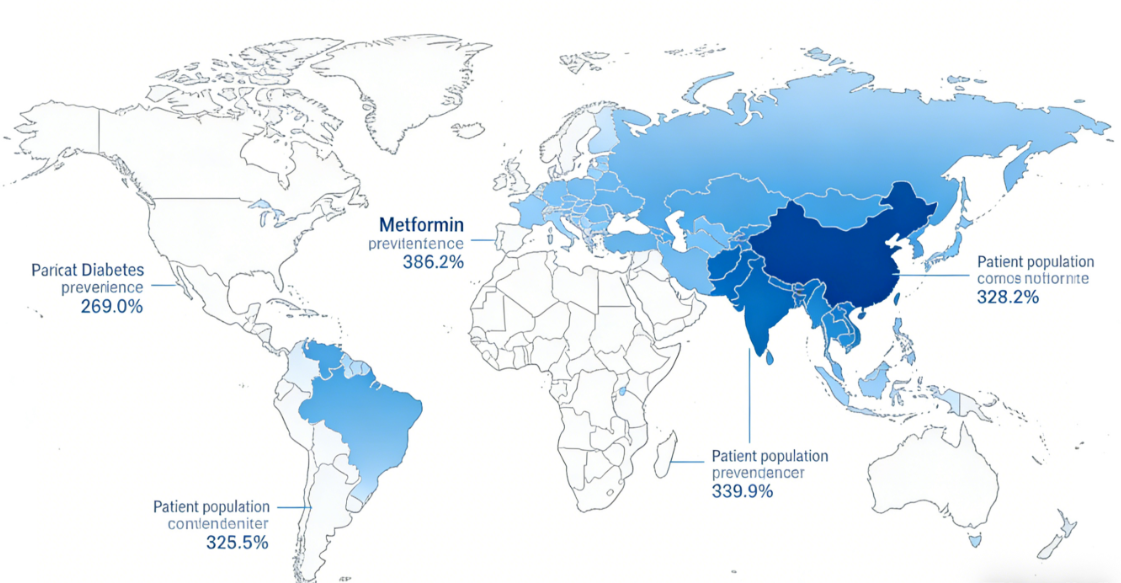
The demand for Metformin is massive and global, driven by the diabetes pandemic. Key markets include:
-
North America (USA & Canada): One of the largest volume markets. Demand is for both branded and a very robust generic segment. The extended-release formulations are particularly popular. Strict FDA regulations govern imports.
-
Europe (EU & UK): A major market with high standards set by the European Medicines Agency (EMA). There is significant demand across all member states, with a strong focus on quality and reliable supply chains post-Brexit adjustments.
-
Asia-Pacific:
-
India: A global hub for generic pharmaceutical production. It is a massive supplier of Metformin API and finished dosage forms worldwide and also has a huge domestic market.
-
China: A leading manufacturer and exporter of Metformin API. Domestic consumption is also enormous due to the high prevalence of diabetes.
-
Southeast Asia & Middle East: High-growth markets with rising diabetes prevalence, driving increased import demand for both APIs and finished products.
-
-
Latin America (e.g., Brazil, Mexico): Growing markets with significant public and private sector procurement needs for affordable diabetes treatments.
-
Africa: An emerging market with increasing focus on managing non-communicable diseases. Demand is growing, often sourced via international tenders and partnerships.
-
Opportunity for Buyers: The market is competitive. Success lies in partnering with reliable, regulatory-compliant suppliers who can ensure consistent quality, provide full technical and regulatory dossiers, and offer competitive pricing. The trend towards complex combinations (Metformin + other agents) also presents an opportunity for sourcing sophisticated finished formulations.


