


Maltitol: The Sweet Choice for Healthy Living
2026-05-12
Maltitol, chemically known as 4-O-α-glucopyranosyl-D-sorbitol, is a disaccharide polyol belonging to the sugar alcohol family. It is naturally present in small amounts in roasted malt, chicory leaves, and some fruits and vegetables, but commercially, it is produced by hydrolyzing and hydrogenating cereal starches such as wheat and maize. As a white crystalline powder or colorless viscous liquid, maltitol boasts a clean, sweet taste that is 75% to 95% as sweet as sucrose, with almost identical solubility and viscosity to table sugar—making it an ideal substitute for traditional sugar. Unlike sucrose, it has a negligible cooling effect and does not undergo the Maillard reaction when heated, ensuring the color and texture of food products remain stable during processing.
Maltitol’s growing popularity stems from its unique combination of health benefits and functional properties. First and foremost, it is a low-calorie alternative, providing only 2.4 kcal per gram compared to 4 kcal per gram of sucrose, making it a top choice for weight-conscious consumers. Its glycemic index (GI) is 35, far lower than sucrose’s GI of 65, meaning it causes a slower, more gradual rise in blood glucose levels—offering a safer option for people with diabetes when consumed in moderation. Additionally, maltitol is non-cariogenic: it is not metabolized by oral bacteria, so it does not promote tooth decay, making it suitable for oral care products like chewing gum and toothpaste. Its hygroscopic properties also enhance the shelf life of food products by preventing crystallization and maintaining moisture, particularly in baked goods and confectionery.
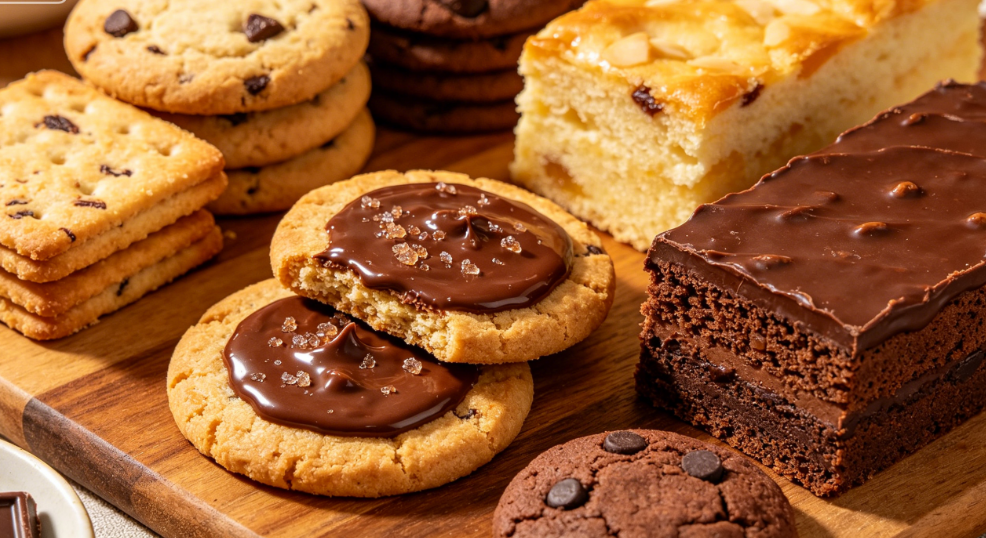
Maltitol’s versatility has made it a staple ingredient in numerous industries, with the food and beverage sector leading the way. In confectionery, it is widely used in sugar-free chocolates, hard candies, and chewing gums, providing a crunchy texture and long-lasting sweetness without the risk of tooth decay. In the bakery industry, it improves the viscosity and moisture retention of cakes, biscuits, and pastries, ensuring a soft, delicious texture while reducing sugar content by up to 40%. Beyond food, maltitol plays a crucial role in the pharmaceutical industry as an excipient, used in syrups, tablets, and gelatin capsules to add sweetness without spiking blood sugar, and as a humectant to prevent product drying. It is also found in oral care products and even some cosmetic formulations, thanks to its gentle, non-irritating properties.
Despite its many benefits, maltitol has been surrounded by misconceptions, particularly regarding its digestive effects. Like other sugar alcohols, maltitol is only partially absorbed in the small intestine, and excessive intake can cause gastrointestinal discomfort such as bloating,肠鸣, or diarrhea, as it increases osmotic pressure in the colon. However, research shows that most adults can tolerate up to 40 grams per day without significant symptoms, while children can safely consume up to 15 grams daily. Individual tolerance varies, and those with gastrointestinal conditions may be more sensitive, but moderate consumption—following product guidelines—eliminates these risks. Another common myth is that “sugar-free” products containing maltitol are “zero-carb” or “zero-sugar”: while maltitol reduces sugar content, it is still a carbohydrate, and consumers should check nutrition labels for total carb intake, especially those on keto or low-carb diets.
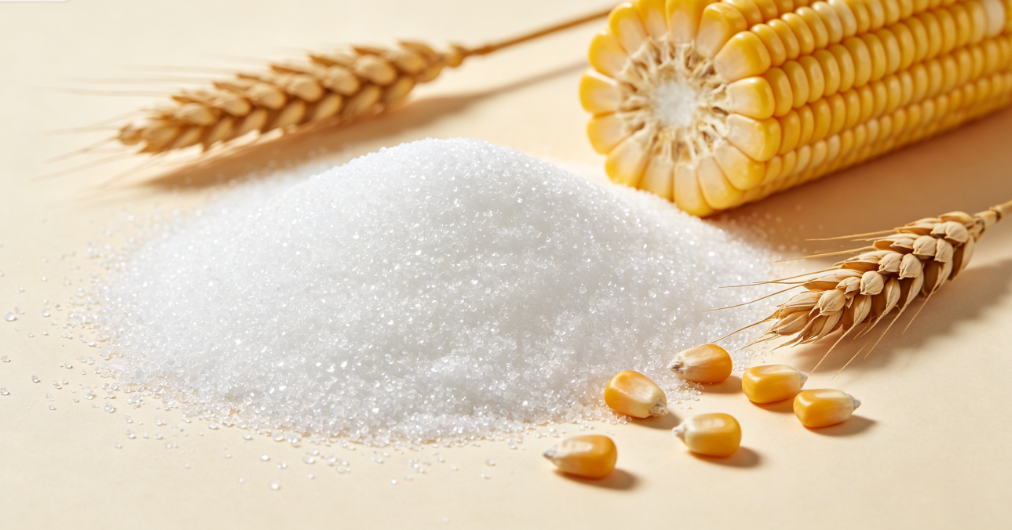
The global maltitol market is experiencing steady growth, driven by the rising demand for sugar-free and low-calorie products, the growing diabetic population, and the clean-label movement. In 2026, the market size is estimated at USD 702.08 million, projected to reach nearly USD 4856.38 million by 2035 with a CAGR of 6.6%. Asia-Pacific leads global production, accounting for over 43% of the market, followed by Europe with 34%. A key trend is the shift toward natural and non-GMO maltitol formulations, with 28% of new products featuring organic maltitol derived from renewable sources like non-GMO tapioca or corn. Additionally, manufacturers are developing new forms of maltitol, such as microcrystalline powder and low-hygroscopic syrups, to expand its applications in functional foods and pharmaceutical products.
As sustainability becomes a priority for consumers and industries, maltitol production is evolving to be more eco-friendly. Most commercial maltitol is made from renewable starch sources, and advancements in production technology—such as enzymatic hydrogenation without metal catalysts—have reduced environmental impact and eliminated harmful residues. Leading manufacturers are adopting energy-efficient processes and recycling water and byproducts, making maltitol a more sustainable choice compared to artificial sweeteners. Organic maltitol, produced from non-GMO substrates and purified through triple filtration, further aligns with the clean-label trend, appealing to consumers seeking natural, transparent ingredients.
Maltitol has proven to be more than just a sugar substitute—it is a versatile, healthy, and sustainable ingredient that meets the evolving needs of modern consumers. Its unique combination of sweetness, low calorie content, and functional properties makes it indispensable in the food, pharmaceutical, and oral care industries. While moderate consumption is key to avoiding digestive discomfort, maltitol offers a balanced solution for those looking to enjoy sweet treats without sacrificing health. As the global demand for sugar-free and natural products continues to rise, maltitol is poised to play an even more significant role in shaping the future of healthy eating, bridging the gap between indulgence and well-being for years to come.
For more than information for Maltitol Powder,visit //www.ruizelinbio.com/ or email address:info@ruizelinherb.com. We will reply to you as soon as possible,Thanks very much
Previous News: Halal-Certified Plant Extracts: Your Trusted Partner for Pure, Compliant & High-Quality Botanical Ingredients
Next News: Maltitol-The Complete Guide to This Popular Sugar Alcohol


