


Lutein: The Key to Eye Health and More
Lutein is a carotenoid, a type of nutrient found in many plants. It is best known for its role in eye health, specifically for protecting the eyes from harmful blue light and improving visual acuity. But lutein has many other benefits as well.
Recent studies have shown that lutein can improve cognitive function, promote healthy skin, and even reduce the risk of certain cancers. It is also a powerful antioxidant, which means it can help protect your body from free radical damage and oxidative stress.
2.Is 40 mg of lutein too much?
Not necessarily. The recommended daily intake of lutein is between 6-20 mg. However, research has shown that higher doses may be beneficial for certain conditions, such as macular degeneration. As always, it is best to consult with a healthcare professional before starting any new supplement regimen.
Wondering where to get lutein in your diet? Some of the best food sources include leafy greens such as spinach, kale, and collard greens, as well as egg yolks, corn, and orange peppers.
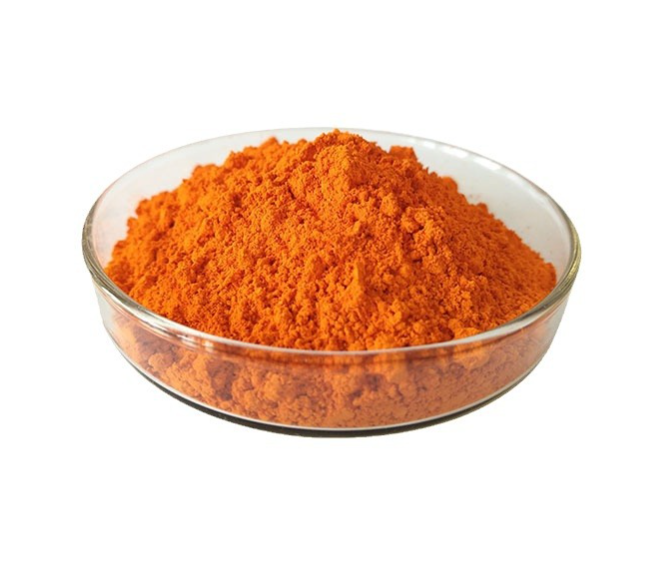

A. Eye health: Lutein is known for its role in protecting the eyes from harmful blue light and reducing the risk of age-related macular degeneration, a leading cause of blindness.
B. Cognitive function: Lutein has been shown to improve cognitive function, including memory and processing speed.
C. Skin health: Lutein may promote healthy skin by reducing inflammation and protecting against sun damage.
D. Antioxidant: Lutein is a powerful antioxidant, which means it can help protect your body from free radical damage and oxidative stress.
E. Cancer prevention: Some studies have found that lutein may reduce the risk of certain types of cancer, such as breast and colon cancer.
In conclusion, lutein is a versatile nutrient that can benefit many aspects of your health. From eye health to cancer prevention, incorporating lutein-rich foods or supplements into your diet could be a wise choice.