


How do B vitamins protect your health?
2025-12-29
B vitamins are a group of water-soluble vitamins, including vitamin B1 (thiamine), vitamin B2 (riboflavin), vitamin B3 (niacin), vitamin B5 (pantothenic acid), vitamin B6 (pyridoxine), biotin (vitamin B7), folic acid (vitamin B9), and vitamin B12, etc. They play important roles in the human body and a deficiency of B vitamins can lead to various health problems.
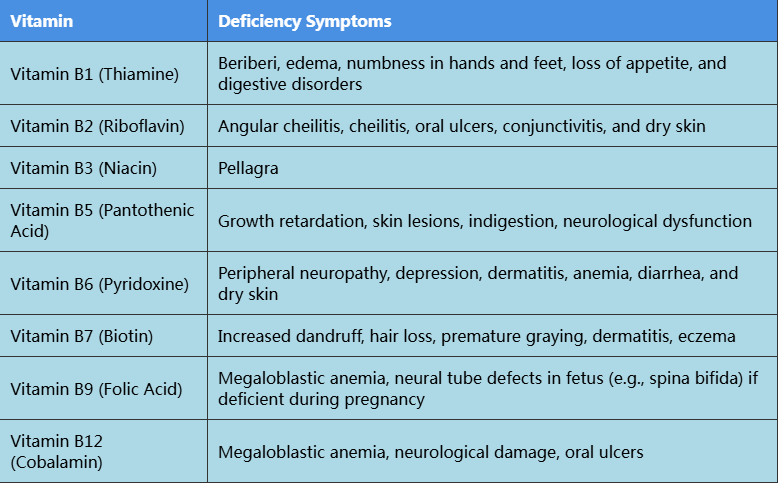
B vitamins, as a crucial group of nutrients in the human body, the consequences of their deficiency should not be underestimated. When there is a lack of B vitamins, the body will send out a series of warning signals.

01. Affecting skin and oral health
Firstly, skin problems become the primary victims. A deficiency in B vitamins, especially vitamin B2 and vitamin B6, can lead to dry skin, peeling, and even seborrheic dermatitis. Additionally, oral health is also affected, such as oral ulcers and cheilitis, all of which are related to the insufficient intake of vitamin B2 and B12.
02. Affecting nervous system health
Secondly, the nervous system is also affected. A deficiency in vitamin B1 (thiamine) can cause beriberi, characterized by numbness in the limbs and muscle weakness. In severe cases, it can even affect the heart function. A deficiency in vitamin B12 can lead to anemia, accompanied by fatigue, dizziness, and an increased risk of neurological diseases, such as peripheral neuropathy.
03. Affecting digestive system health
In addition, the deficiency of B vitamins may also affect the digestive system, leading to symptoms such as loss of appetite and indigestion. A lack of vitamin B3 (niacin) can cause pellagra, characterized by rough skin and diarrhea.
At the same time, the deficiency of vitamin B6 is also associated with weakened immune function, mood swings, and other issues. Long-term lack of B vitamins may also increase the risk of chronic diseases such as cardiovascular diseases and diabetes. Therefore, maintaining adequate intake of B vitamins is crucial for maintaining good health.
2.The functions and effects of B vitamins
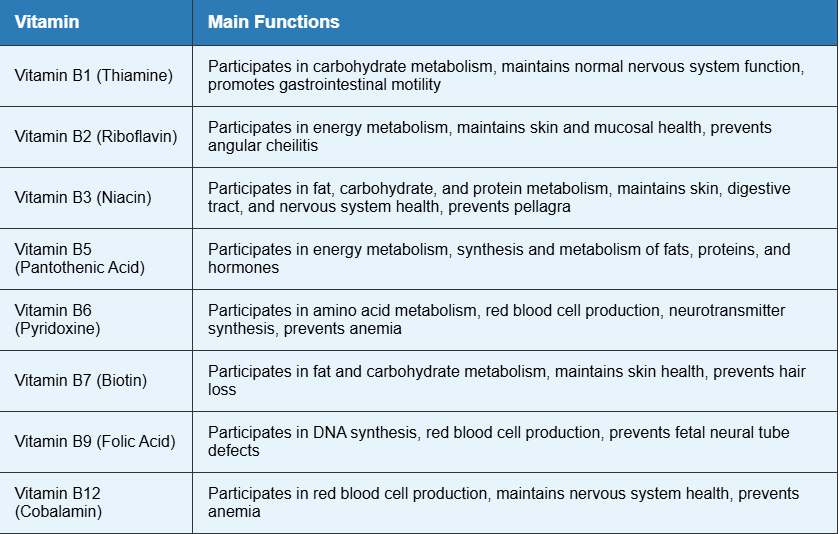
The B vitamins, as a "multifunctional team" within the human body, play an irreplaceable role. They are involved in energy metabolism, converting food into energy and providing power to the body. At the same time, the B vitamins also participate in the metabolism of proteins, fats, and carbohydrates, maintaining the normal operation of the body. The functions and effects of the B vitamins are as follows:
01. Participate in the metabolism of the three major nutrients: The B vitamins are involved in the metabolic processes of sugar, fat, and protein, helping the body obtain energy from food.
02. Produce the nutrients needed for blood formation: For example, vitamins B6 and B12 are involved in the formation of red blood cells and prevent anemia.
03. Maintain the normal function of the nervous system: In the nervous system, the B vitamins play an important protective role. They participate in the synthesis of neurotransmitters and help maintain the normal function of the nervous system, preventing neurological diseases. Moreover, the B vitamins are closely related to mental health and help relieve stress and improve mood. For example, vitamins B1, B6, and B12 are crucial for the health of the nervous system, helping the transmission of nerve signals.
04. Maintain skin health: For skin health, the B vitamins are also indispensable. They promote skin cell regeneration, maintain skin moisture, and prevent skin diseases. At the same time, the B vitamins also participate in the growth of hair and nails, making them healthier and shinier. For example, vitamins B2 and B6 affect sebum metabolism and have certain therapeutic effects on skin diseases.
In addition, the B vitamins have a strong antioxidant effect, which can eliminate free radicals in the body and delay the aging process. They also participate in the formation of red blood cells, prevent anemia, and enhance the body's immunity and resistance. Moreover, the B vitamins also help the liver detoxify and eliminate toxins.
3.How to Supplement B Vitamins through Diet
To ensure adequate intake of B vitamins, we need to pay attention to our daily diet. Here are some food sources rich in B vitamins and supplementation suggestions:
Whole grains: Oats, brown rice, whole wheat bread, etc. are excellent sources of B vitamins, especially vitamin B1 and vitamin B3. It is recommended to consume them in moderation as part of your main meals.
Previous News: Potassium Chloride: The Unsung Hero Elevating Flavor and Nutrition in Juices & Beverages
Next News: Say goodbye to "sweet internal friction": A new choice for the food industry – agave syrup and powdered sugar!


