


Gum Arabic: Nature’s Versatile Solution for Modern Industries
What Is Gum Arabic?
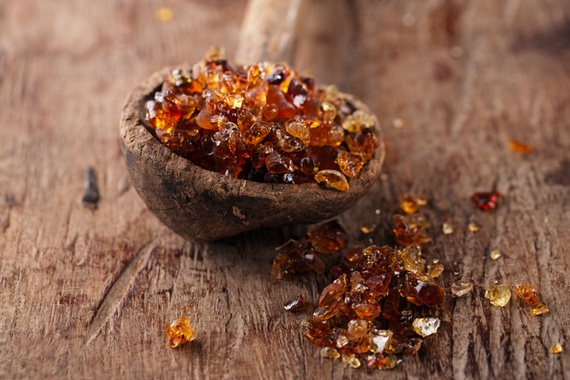
Gum arabic, also known as acacia gum or E414, is a natural exudate derived from the hardened sap of Acacia senegal and Acacia seyal trees native to Africa’s Sahel region. Harvested through a process called gummosis, it forms nodules that seal tree wounds over 3–8 weeks. Chemically, it comprises:
-
Complex Carbohydrates: Arabinogalactan oligosaccharides and polysaccharides rich in arabinose and galactose.
-
Glycoproteins: Providing emulsifying properties via protein fractions.
-
High Solubility: Dissolves in water at concentrations up to 60%, far exceeding most gums.
This golden resin is calorie-efficient (half the energy of starch), pH-stable (2–10), and heat-resistant, making it a sustainable, clean-label ingredient
What Is Gum Arabic Used For?
Gum arabic’s unique properties—emulsification, stabilization, and film-forming—make it indispensable across sectors. Globally, its market is projected to reach $5.12 billion by 2030, driven by a 6.5% CAGR2. Key applications include:
-
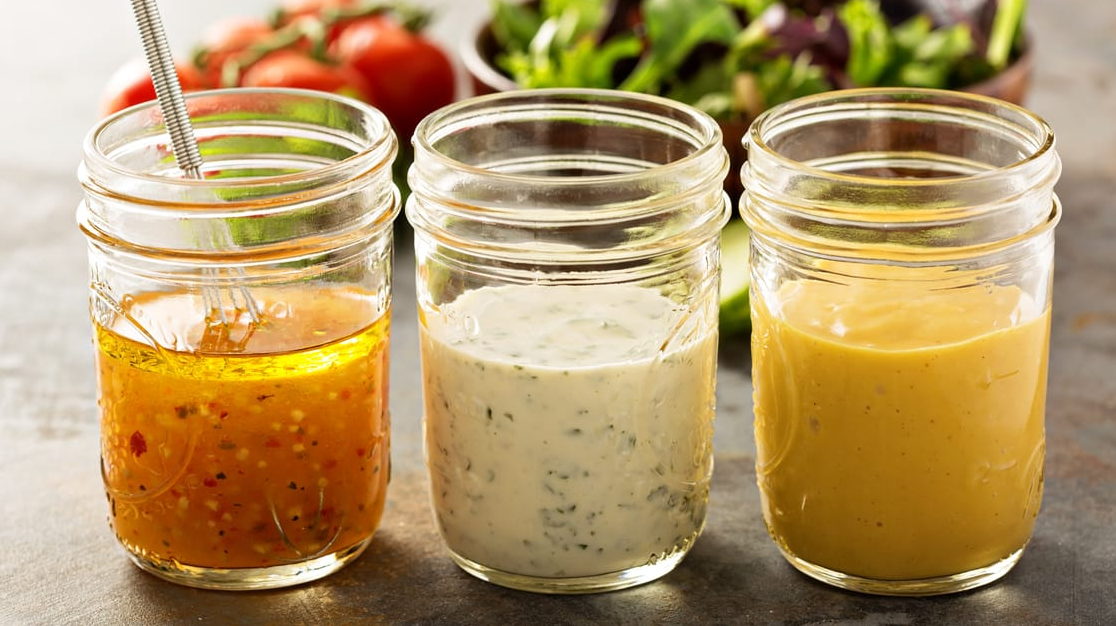
Emulsifier: Stabilizes oils in soft drinks (e.g., prevents "ringing" in colas).
-
Texture Enhancer: Prevents crystallization in ice cream and candies; adds gloss to chocolates.
-
Dietary Fiber: Low-calorie bulking agent in functional foods.
Pharmaceuticals (Fastest-Growing Segment)
-
Tablet Binder: Ensures drug cohesion and controlled release6.
-
Anti-Inflammatory Agent: Used in oral care products and digestive treatments.
Cosmetics and Personal Care
-
Stabilizer: Improves texture in lotions and shampoos.
-
Film-Former: Enhances longevity of skincare products.
Industrial Applications
-
Printing Inks: Binds pigments in eco-friendly inks.
-
Textile Sizing: Strengthens fibers during weavin
Deep Dive: Gum Arabic’s Multisectoral Impact
1. Food Innovation: Beyond Emulsification
-
Plant-Based Revolution: Essential in vegan cheeses and dairy alternatives for creamy texture.
-
Sugar Reduction: Replaces synthetic thickeners in low-calorie beverages, maintaining mouthfee.
-
Functional Foods: As a prebiotic fiber, it nourishes gut microbiota in supplements and snack bars.
2. Pharmaceutical Breakthroughs
-
Drug Delivery: Nano-encapsulation with gum arabic prolongs drug activity and reduces toxicity.
-
Wound Healing: Its antimicrobial properties accelerate tissue repair in medicated gels.

3. Sustainable Industries
-
Agriculture: Improves soil water retention in arid regions, boosting crop resilience.
-
Green Materials: Replaces plastics in biodegradable packaging and low-VOC paints.
4. Art and Technology
-
Lithography: Protects printing plates from oxidation in fine art.
-
Biotech: Serves as a stabilizer in diagnostic kits and enzyme reactions.
5. Market Dynamics and Innovations
-
Supply Challenges: Political instability in Sudan (80% global supply) spurs price volatility.
-
R&D Frontiers: Microbial fermentation is emerging to produce synthetic alternatives, ensuring supply chain resilience
| Industry | Key Functions | Example Products |
|---|---|---|
| Food & Beverage | Emulsifier, Stabilizer, Fiber | Soft drinks, candies, vegan dairy |
| Pharmaceuticals | Drug binder, Anti-inflammatory | Tablets, syrups, wound gels |
| Cosmetics | Texture enhancer, Film-former | Lotions, shampoos, serums |
| Printing/Art | Pigment binder, Anti-oxidant | Eco-inks, lithographic coatings |
| Agriculture | Soil conditioner | Sustainable irrigation additives |
Why Gum Arabic Reigns Supreme
-
Eco-Friendly: Biodegradable and sourced from renewable acacia trees59.
-
Versatility: 50+ functional roles across 6+ industries68.
-
Safety: GRAS (Generally Recognized As Safe) by global health agencies


