

Glycine-The Multifunctional Marvel Powering Health, Industry & Innovation
What Is Glycine?
Glycine (C₂H₅NO₂) is the smallest and simplest amino acid, serving as a foundational building block for proteins and critical biomolecules. Its unique properties—including high water solubility, sweet taste, and roles as both a neurotransmitter and an antioxidant—make it one of nature’s most versatile molecules. Unlike most amino acids, glycine is non-chiral and acts as an inhibitory neurotransmitter in the central nervous system.
Production Methods:
-
Chemical Synthesis: Ammonia + chloroacetic acid (industrial scale)
-
Fermentation: Microbial strains (e.g., Bacillus subtilis) for pharmaceutical grade
-
Natural Extraction: Hydrolysis of collagen/gelatin
Comprehensive Applications of Glycine
1. Pharmaceuticals & Therapeutics
-
Drug Formulations:
-
Antacid Synergy: Enhances absorption of aluminum/magnesium hydroxide (e.g., in Gavison®).
-
Chelation Therapy: Binds heavy metals (lead/arsenic) for detoxification.
-
-
Neurological Health:
-
Schizophrenia Adjunct: 0.8 g/kg/day improves negative symptoms by modulating NMDA receptors.
-
Stroke Recovery: IV glycine antagonists (e.g., gavestinel) reduce ischemic damage.
-
-
Wound Healing:
-
Topical glycine formulations accelerate diabetic ulcer closure by 40% via collagen stimulation.
-
2. Food & Beverage Industry
-
Flavor Modifier:
-
Masks bitterness in sweeteners (aspartame/stevia) at 0.1% concentration.
-
Enhances umami in soups and processed meats (synergizes with nucleotides).
-
-
Preservation:
-
Extends shelf life of seafood by inhibiting Vibrio growth (500 ppm solution).
-
-
Nutraceuticals:
-
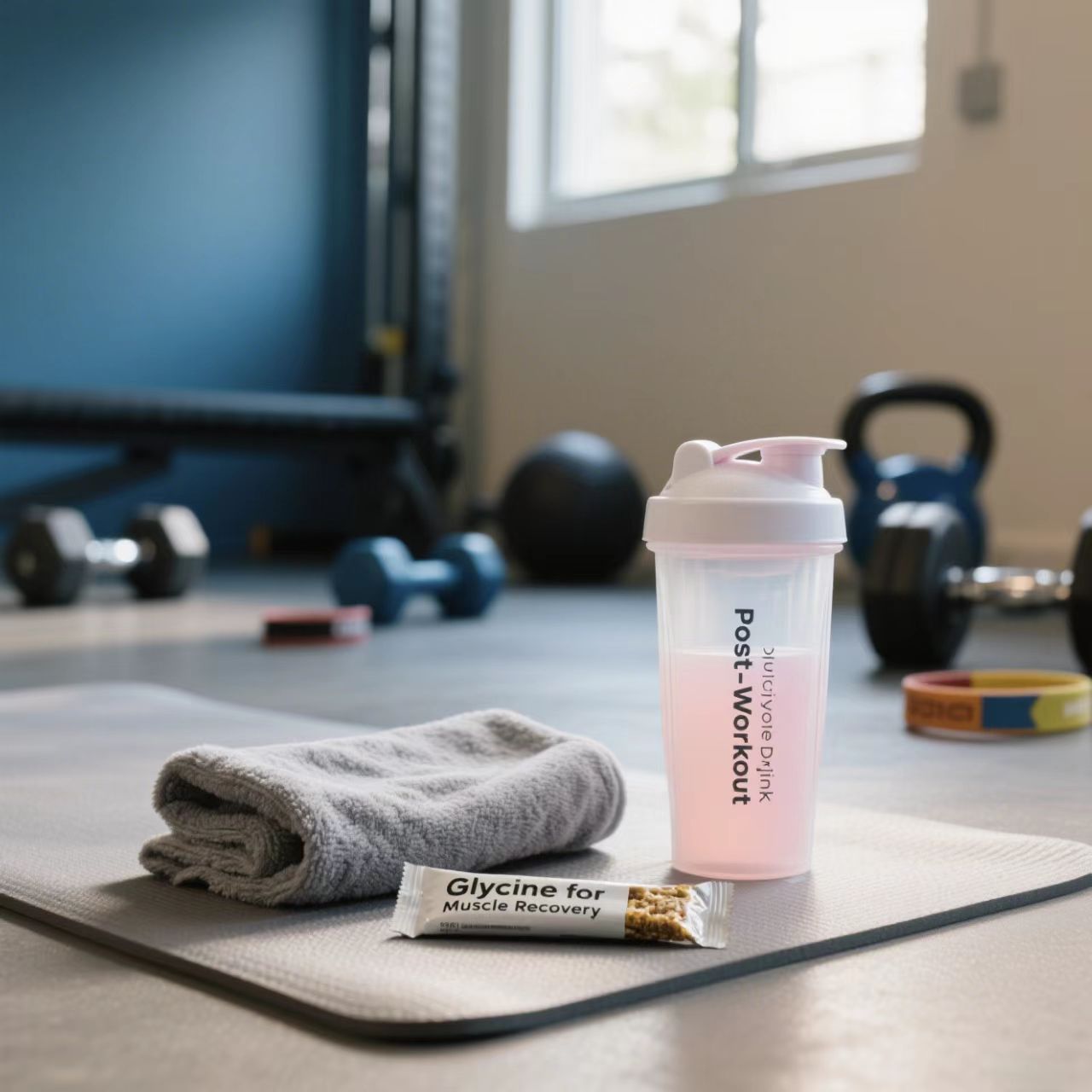
Key component in electrolyte drinks for muscle recovery (3–5 g/serving).
-
3. Agriculture & Animal Feed
-
Livestock Nutrition:
-
Poultry/Pigs: 1.2% dietary glycine improves feed conversion ratio by 8% and reduces heat stress.
-
Aquaculture: Promotes shrimp growth and shell strength (replace 30% of fish meal).
-
-
Crop Biostimulants:
-
Foliar sprays (0.5 g/L) enhance drought tolerance in wheat and soybeans.
-
4. Industrial & Chemical Manufacturing
-
Agrochemicals:
-
precursor for glyphosate herbicides (60% of global glycine consumption).
-
-
Electroplating:
-
Additive in zinc/nickel plating baths for smoother metal coatings.
-
-
Personal Care:
-
Cosmetics: Humectant in moisturizers; stabilizes emulsions in shampoos.
-
Oral Hygiene: Reduces gum inflammation in toothpaste (0.5–2% concentration).
-
5. Biotechnology & Research
-
Cell Culture:
-
Essential component of media for monoclonal antibody production (prevents osmotic stress).
-
-
Molecular Biology:
-
Buffer agent in PCR and electrophoresis (minimizes DNA degradation).
-
Market Data by Application Sector
| Industry | Market Share | Key Growth Driver | Innovation Example |
|---|---|---|---|
| Agrochemicals | 60% | Glyphosate demand in GMO crops | Glycine-betaine hybrid herbicides |
| Pharmaceuticals | 20% | Neurological & metabolic disorder research | Slow-release glycine for insomnia |
| Food & Feed | 15% | Plant-based protein fortification | Glycine-rich yeast extracts |
| Cosmetics | 5% | "Clean label" demand | Glycine + niacinamide brightening serums |
Safety & Dosage
Regulatory Status:
-
GRAS (FDA), FEMA 3287, JECFA compliant
Supplementation Guidelines: -
Sleep Improvement: 3 g before bed (lowers core body temperature).
-
Metabolic Health: 5 g/day reduces HbA1c in prediabetics.
-
Max Safe Dose: 90 g/day (acute), no chronic toxicity observed.
Contraindications: -
Rare: Clozapine interaction (reduced efficacy).