

Gamma-Aminobutyric Acid (GABA): Physiological Activities, Research Trends & Applications
Gamma-Aminobutyric Acid (GABA): Physiological Activities, Research Trends & Applications
Gamma-aminobutyric acid (GABA) is a natural active ingredient widely distributed in animals and plants. As one of the most extensively studied important inhibitory neurotransmitters, it participates in various metabolic activities and possesses high physiological activity.
Neurophysiological and neuromedical research indicates that GABA is a key bioactive substance. Although the human brain can produce GABA endogenously, aging and increased mental stress make its accumulation extremely difficult.
With the improvement of living standards, people's demands for food have transcended mere nutritional value and taste. They now seek functional foods that can prevent lifestyle-related diseases, enhance health, and improve quality of life. Gamma-aminobutyric acid (GABA) has garnered significant attention from researchers due to its diverse physiological effects, and nutrition experts worldwide strongly recommend GABA-rich health foods to the public.
Physiological Activities of GABA
As an inhibitory neurotransmitter in the central nervous system (CNS), GABA is one of the most crucial neurotransmitters in brain tissue. Its primary function is to reduce neuronal activity and prevent overstimulation of nerve cells. GABA binds to and activates anti-anxiety brain receptors, then works synergistically with other substances to block anxiety-related signals from reaching the brain's command center. Thus, GABA fundamentally calms the nervous system, exerting a potent anti-anxiety effect.
Based on extensive domestic and international research in recent years, GABA's core functions are summarized as follows:
Sedation and Brain Vitality Enhancement
GABA promotes vasodilation via the CNS, inducing sedation and improving sleep quality. Additionally, it effectively enhances cerebral blood circulation, increases oxygen supply, boosts brain metabolism, and restores brain cell function and vitality.
Blood Pressure Reduction
GABA facilitates vasodilation, increases blood flow and oxygen supply, and accelerates metabolism, thereby lowering blood pressure. Red yeast rice, known for its lipid-lowering and hypotensive effects, contains lovastatin (Monacolin-K) as the lipid-lowering factor and GABA as the hypotensive component. Reports indicate that GABA is also the active hypotensive ingredient in traditional Chinese medicines such as Astragalus membranaceus.
Research and Development Trends of GABA
Japan
Numerous GABA-containing foods are available globally, with Japan being a leader in developing functional foods for brain health and blood pressure regulation. Currently, Japanese markets offer GABA-infused functional products such as pastries, biscuits, seasonings, and teas targeting blood pressure management. Recently, several companies have launched GABA-rich chocolate products, claiming stress-relief benefits, which have attracted attention from European buyers.
United States
In the United States, GABA is approved by the FDA as a Generally Recognized as Safe (GRAS) substance. It is available as a dietary supplement in capsule and tablet forms. Some manufacturers also produce GABA-containing functional foods, touting superior sleep-improving effects for women compared to melatonin-based products. Notably, the FDA recently approved GABA as an adjuvant therapy for migraine relief.
China
In 2009, China's Ministry of Health designated GABA as a new resource food (NRF), specifying that only GABA produced by fermentation can be used in food products.
Following the approval of GABA as a new resource food by China's Ministry of Health in 2009, the announcement specified that only GABA produced by fermentation methods can be used in food products. The specific technical requirements are as follows:
| Chinese Name | γ-aminobutyric acid |
|---|---|
| English Name | Gamma aminobutyric acid |
| Basic Information |
Source: L-glutamate sodium Structural Formula: NH2CH2CH2COOH Molecular Formula: C4H8NO2 Molecular Weight: 103.12 |
| Production Process | Produced through fermentation using L-glutamate sodium as raw material with Lactobacillus hilgardii, followed by heat sterilization, cooling, activated carbon treatment, filtration, addition of excipients (starch), and spray drying. |
| Daily Intake | ≤500 mg/day |
| Quality Requirements |
Appearance: White or pale yellow powder γ-aminobutyric acid: ≥20% Moisture: ≤10% Ash Content: ≤18% |
| Other Specifications | Application Scope: Beverages, cocoa products, chocolate and chocolate products, candy, baked goods, puffed foods, excluding infant food. |
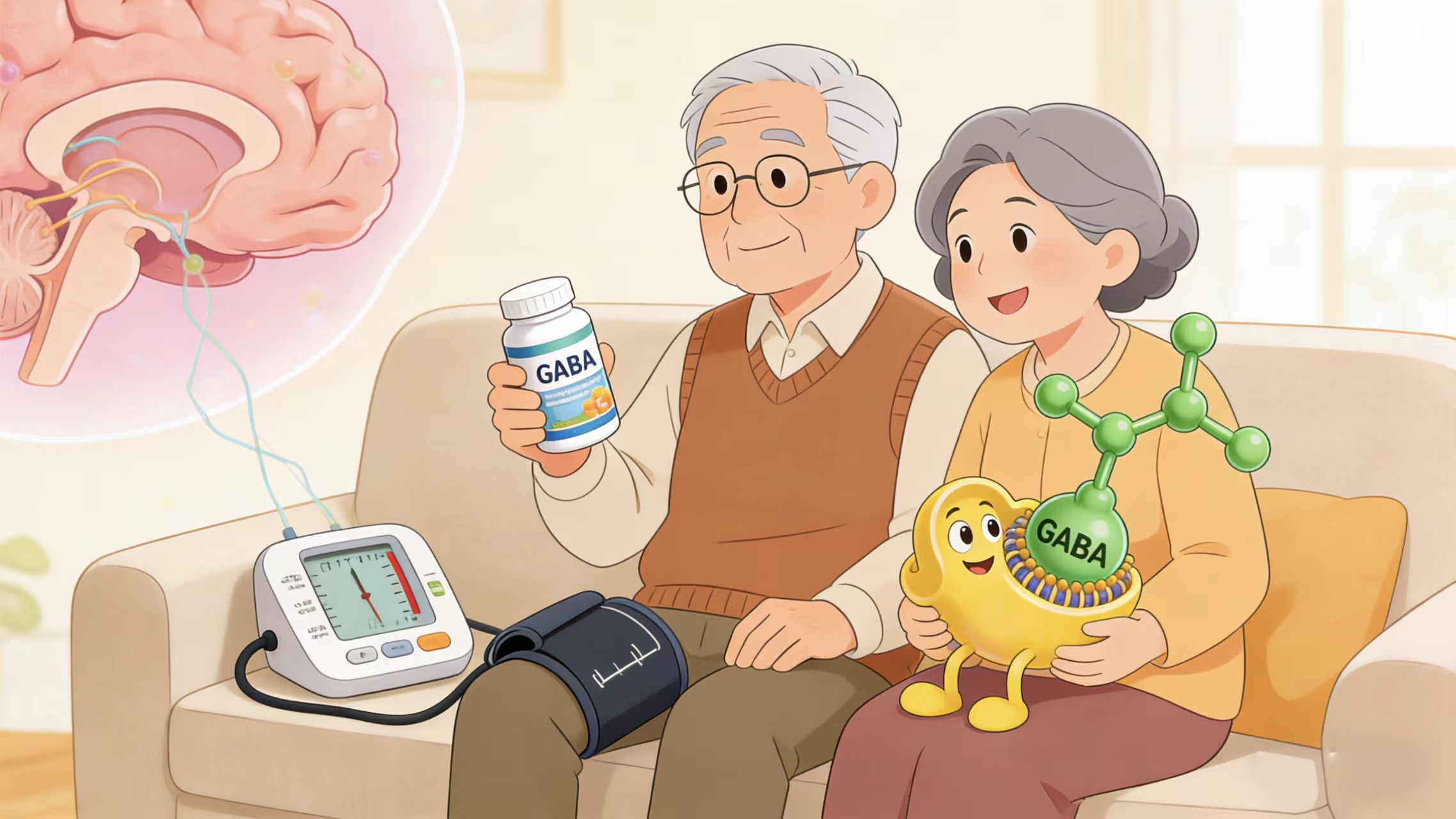
Beyond its application as a pharmaceutical raw material, GABA serves as a functional ingredient for brain health and blood pressure support in various functional foods, boasting broad development prospects. As an active factor, GABA exhibits physiological activities such as hypotension, antidepressant effects, enhanced brain function and long-term memory, diuresis, and liver/kidney protection—making it highly promising for use in functional food formulations.