


Exploring the World of Probiotics: The Health Benefits of Lactobacillus rhamnosus
2025-02-06
Probiotic powder is a nutritious functional food that is beneficial to human health. Probiotic powder can support human health by regulating intestinal microbial communities, enhancing intestinal immunity, promoting intestinal digestion and absorption, and reducing gastrointestinal diseases.

In recent decades, many people have gradually learned that there are a large number of microorganisms in the human intestine, including beneficial bacteria and harmful bacteria. If the intestinal flora is unbalanced, such as the number of harmful bacteria exceeds that of beneficial bacteria, it will cause gastrointestinal discomfort, diarrhea, constipation and other diseases. In this case, probiotic powder is needed to regulate the intestinal microbial community and increase the number of beneficial bacteria.

Probiotics not only have an important impact on human health, but also play a key role in food fermentation and preservation.
This article will introduce four important probiotics: Lactobacillus rhamnosus, Bifidobacterium longum, Streptococcus thermophilus and Bacillus coagulans.
1. Lactobacillus rhamnosus
Lactobacillus rhamnosus is a common lactic acid bacteria widely found in fermented dairy products. It is known for its acid and bile resistance, which allows it to survive and function in the intestines. Studies have shown that Lactobacillus rhamnosus has a variety of health benefits, including:
Promote intestinal health: Helps maintain intestinal microbial balance by inhibiting the growth of harmful bacteria.
Enhance immunity: Stimulate the immune system and improve the body's resistance.
Improve digestion: Relieve digestive problems such as diarrhea and constipation.
Lactobacillus rhamnosus is a common lactic acid bacteria widely found in fermented dairy products. It is known for its acid and bile resistance, which allows it to survive and function in the intestines. Studies have shown that Lactobacillus rhamnosus has a variety of health benefits, including:
Promote intestinal health: Helps maintain intestinal microbial balance by inhibiting the growth of harmful bacteria.
Enhance immunity: Stimulate the immune system and improve the body's resistance.
Improve digestion: Relieve digestive problems such as diarrhea and constipation.

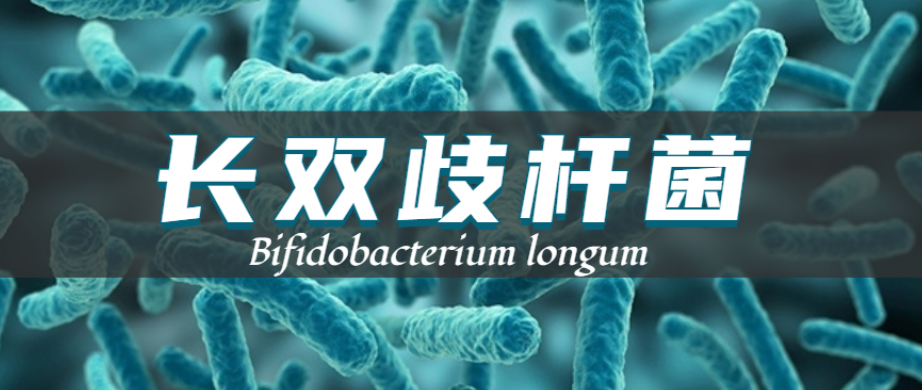
2. Bifidobacterium longum
Bifidobacterium longum is an important strain of the genus Bifidobacterium, mainly found in the intestines of humans and animals. Its main functions include:
Promote intestinal health: By fermenting cellulose, it produces short-chain fatty acids and improves the intestinal environment.
Enhance immune function: Helps defend against infection by regulating immune response.
Anti-inflammatory effect: May help reduce intestinal inflammation and improve symptoms of intestinal diseases.
Bifidobacterium longum is an important strain of the genus Bifidobacterium, mainly found in the intestines of humans and animals. Its main functions include:
Promote intestinal health: By fermenting cellulose, it produces short-chain fatty acids and improves the intestinal environment.
Enhance immune function: Helps defend against infection by regulating immune response.
Anti-inflammatory effect: May help reduce intestinal inflammation and improve symptoms of intestinal diseases.
3. Streptococcus thermophilus
Streptococcus thermophilus is a lactic acid bacterium commonly used in dairy fermentation, especially in the production of yogurt and cheese. Its characteristics include:
Strong fermentation ability: It can grow at high temperatures, promote the fermentation of lactose, and produce lactic acid.
Improve the taste of dairy products: Through the fermentation process, the flavor and texture of yogurt and cheese are improved.
Probiotic properties: It helps digestion and promotes intestinal health.
4. Bacillus coagulans
Bacillus coagulans is a thermotolerant bacillus that can survive high temperatures and adverse environments. Its main characteristics include:
High heat resistance: It can remain active at high temperatures and is suitable for food processing.
Promote digestion: It helps break down cellulose in food and improve digestion.
Enhance immunity: It may enhance the body's immune response by regulating the intestinal microbiota.

In summary, probiotic powder is a nutritious functional food that is beneficial to human health. It can play a health-care role on the human body by regulating intestinal microbial communities, enhancing intestinal immunity, and promoting intestinal digestion and absorption. Therefore, Lactobacillus rhamnosus, Bifidobacterium longum, Streptococcus thermophilus, and Bacillus coagulans play an important role in food science and health. They not only help improve the flavor and texture of food, but also have a positive impact on human health. With the deepening of research on probiotics, more potential benefits and applications of them may be discovered in the future. By properly consuming these probiotics, we can better maintain intestinal health and improve the quality of life.
Previous News: Magnesium L-lactate: The Ultimate Solution for Enhanced Energy and Recovery
Next News: Unlocking the Potential of Pullulan: The Versatile Biopolymer Revolutionizing Industries


