


Ergosterol: Nature’s Hidden Gem
2026-04-28
Ergosterol, chemically known as ergosta-5,7,22-trien-3β-ol, is a sterol primarily found in the cell membranes of fungi and protozoa. It plays a role similar to cholesterol in animal cells, maintaining membrane fluidity and integrity to support fungal growth and survival. First isolated from ergot, a fungal genus, ergosterol gets its name from this origin and has since been identified as a ubiquitous component in most higher fungi. Unlike cholesterol, ergosterol contains two conjugated double bonds in its structure, giving it inherent antioxidant properties that set it apart from other sterols.
While ergosterol is most abundant in fungi, its presence extends to a variety of everyday foods, making it easy to incorporate into daily diets. Edible mushrooms are the richest natural source—white button mushrooms contain about 3.52 mg/g of ergosterol, while morel mushrooms have 0.43 mg/g, with mushroom caps holding higher concentrations than stems. Dry mushrooms have even higher levels, with dry white button mushroom caps containing 3.30–3.76 mg/g of ergosterol. Beyond mushrooms, trace amounts are found in some plant extracts like Chinese hickory and hazelnut, though further research is needed to confirm if these are natural metabolites or fungal contaminants. Yeast is also a key source, widely used in industrial production of ergosterol.

One of ergosterol’s most vital roles is its function as a provitamin D₂ precursor. When exposed to ultraviolet (UV) light, ergosterol undergoes a chemical reaction to form previtamin D₂, which then converts thermally to vitamin D₂ (ergocalciferol)—an essential nutrient for human bone health. This discovery, first established in 1927, showed that irradiated ergosterol could alleviate rickets, a bone disease caused by vitamin D deficiency. Today, industrial producers grow fungi to extract ergosterol, which is then irradiated to create vitamin D₂ supplements and food additives, offering a natural alternative to animal-sourced vitamin D₃.
Recent research has uncovered ergosterol’s broader health potential beyond its role in vitamin D synthesis. It exhibits promising pharmacological properties, including antioxidant effects that help combat oxidative stress in the body. Preliminary studies suggest it may support immune function by enhancing immune responses, making it a valuable addition to immune-boosting supplements. Additionally, ergosterol has shown potential in supporting metabolic health and may have anti-cancer properties, though more clinical research is needed to confirm these effects. Importantly, ergosterol itself has no vitamin D activity and is non-toxic, making it safe for regular consumption.
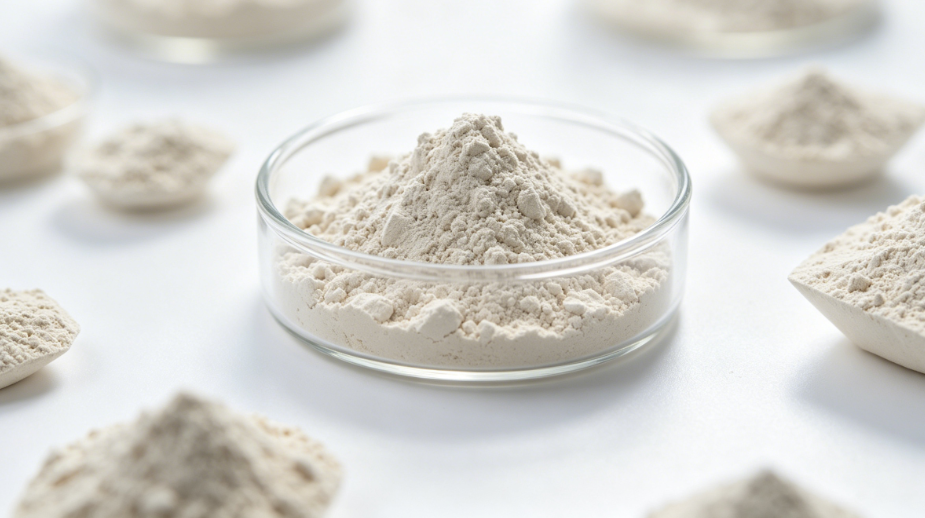
Ergosterol’s unique properties have made it a key player in pharmaceuticals and industry. Since it is present in fungal cell membranes but absent in animal cells, it serves as a targeted marker for antifungal drugs. Antifungal medications like polyene drugs work by binding to ergosterol, creating channels in fungal membranes and disrupting their integrity, effectively treating fungal infections. Recent research, such as that by the Chinese Academy of Sciences’ Li Shaojie team, has uncovered new regulatory mechanisms of ergosterol synthesis, offering new targets for combating fungal drug resistance. In the food industry, ergosterol is used as a natural additive to fortify products with vitamin D₂, meeting consumer demand for natural, plant-based nutrients.
The global ergosterol market is on a steady growth trajectory, projected to reach approximately $500 million by 2026 with a compound annual growth rate (CAGR) of around 7% from 2023. This growth is driven by increasing consumer awareness of health and wellness, rising demand for natural supplements, and a surge in fungal infections requiring effective treatments. Investors are also taking notice, as ergosterol emerges as a promising ingredient in the shift toward natural and effective healthcare products. With ongoing research expanding its applications, the market for ergosterol is expected to continue growing in the coming years.
Ergosterol, once a little-known fungal sterol, has evolved into a multifaceted bioactive compound with far-reaching benefits. From its role as a natural precursor to vitamin D₂ to its applications in pharmaceuticals and food fortification, it offers a unique blend of nutrition and functionality. Its abundance in common foods like mushrooms makes it accessible to everyone, while ongoing research continues to unlock new potential health benefits and industrial uses. As the global focus on natural, sustainable health solutions grows, ergosterol is poised to become a key player in the future of nutrition and healthcare—proving that nature’s hidden gems often hold the greatest value.
For more than information for Ergosterol,visit //www.ruizelinbio.com/ or email address:info@ruizelinherb.com. We will reply to you as soon as possible,Thanks very much
Previous News: The Natural Miracle from the Sea: Sodium Alginate, Empowering a Healthier and More Innovative World
Next News: The Golden Molecule That Keeps You Young-Beta-Carotene


