


D-aspartic acid helps you instantly transform into a sports superhero!
2025-05-19
1. What is D-Aspartic Acid?
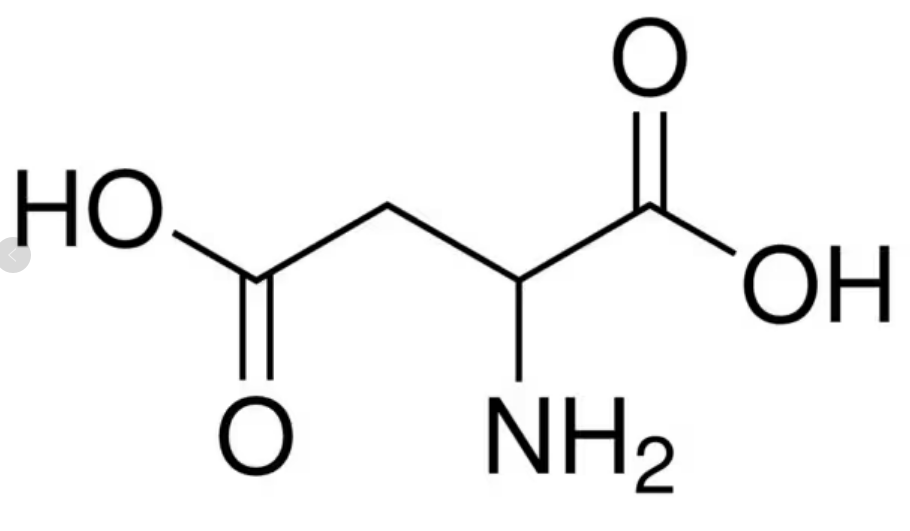
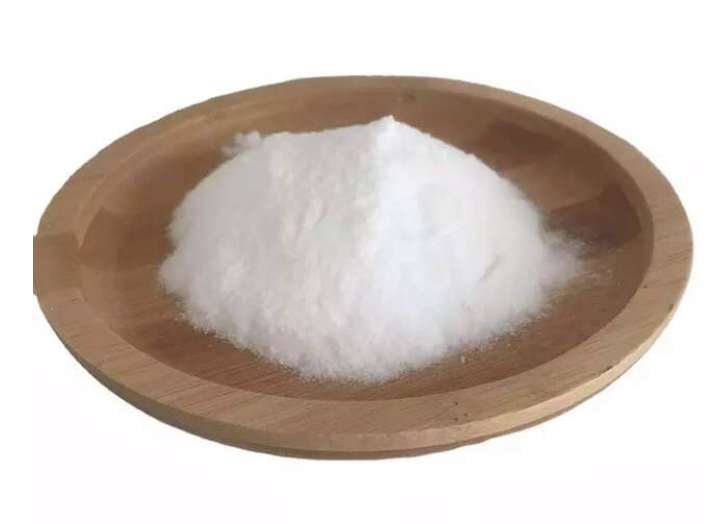
D-Aspartic Acid (DAA) is a non essential amino acid and belongs to the right-handed isomer of aspartic acid. Its chemical formula is C ₄ H ₇ NO ₄, CAS number is 1783-96-6, and it usually exists in the form of white crystalline powder. Unlike the common L-aspartic acid, D-aspartic acid is found in relatively low amounts in nature, but has specific physiological functions in animal and human tissues such as the brain, testes, and pituitary gland, such as regulating hormone secretion and neurotransmission.
D-Aspartic Acid (DAA) is a non essential amino acid and belongs to the right-handed isomer of aspartic acid. Its chemical formula is C ₄ H ₇ NO ₄, CAS number is 1783-96-6, and it usually exists in the form of white crystalline powder. Unlike the common L-aspartic acid, D-aspartic acid is found in relatively low amounts in nature, but has specific physiological functions in animal and human tissues such as the brain, testes, and pituitary gland, such as regulating hormone secretion and neurotransmission.
Key features:
Molecular weight: 133.1 g/mol
Certification: The product has passed ISO9001, Halal, and kosher certification.
Usage: Pharmaceutical intermediate, nutritional supplement.
2. What is D-Aspartic Acid Used For?
D-aspartic acid is mainly used in the fields of health and exercise for the following purposes:
D-aspartic acid is mainly used in the fields of health and exercise for the following purposes:
① Promote testosterone synthesis and sexual health
Stimulating the secretion of luteinizing hormone (LH), which in turn increases testosterone levels, may improve libido, sperm quality, and reproductive function.
Stimulating the secretion of luteinizing hormone (LH), which in turn increases testosterone levels, may improve libido, sperm quality, and reproductive function.
Research has shown that DAA can improve sperm motility and in vitro fertilization rate in mouse experiments.
② Sports Performance and Muscle Repair
By increasing the content of glutamine in muscles, protein synthesis is promoted and muscle recovery is accelerated.
By increasing the content of glutamine in muscles, protein synthesis is promoted and muscle recovery is accelerated.
Some athletes use it as a testosterone enhancer to enhance strength and endurance.
③ Neurological and cognitive support
In animal experiments, D-aspartic acid has a high concentration in the brain and may be involved in neural signal transmission and cognitive function regulation.
In animal experiments, D-aspartic acid has a high concentration in the brain and may be involved in neural signal transmission and cognitive function regulation.
Recommended dosage: Most supplements are recommended to take 3000 milligrams daily with meals (approximately 1.25 teaspoons of powder or 2-4 capsules).
Periodic use: Some users use "intermittent" medication (such as stopping for 2 weeks after 4 consecutive weeks) to avoid potential tolerance.
matters needing attention:
Pregnant women, lactating women, patients with chronic diseases, or those taking medication should consult a doctor.
Long term high doses may affect hormone balance and require monitoring of bodily responses.
Supporting research:
Animal experiments have shown that DAA can enhance sperm motility and testosterone levels, and improve fertility.
Human trials have shown that some men experience short-term increases in testosterone levels after supplementation, but the effects vary among individuals.
User reviews:
E-commerce platforms such as BulkSupplements and eBay have received user feedback stating that they enhance physical fitness and improve sexual functions.

5.Where to Buy D-Aspartic Acid?
Previous News: The Ultimate Guide to Ibuprofen-Uses, Dosage, Safety, and More
Next News: Tricalcium Phosphate-The Multifunctional Mineral Powering Health, Industry, and Innovation


