


Clindamycin: Preferred antibacterial agent for multisite infections
What is Clindamycin?
Clindamycin is a prescription antibiotic belonging to the lincosamide class. It is designed to fight bacteria in the body. It's crucial to understand that Clindamycin is effective only against bacterial infections and will not work for viral illnesses like the common cold or flu.
It is available under various brand names, such as Cleocin, and comes in several forms, including:
-
Oral capsules
-
Topical solutions, gels, and lotions (for skin acne)
-
Vaginal creams and suppositories (for certain vaginal infections)
-
Intravenous (IV) injections (for severe infections in a hospital setting)
The form your doctor prescribes depends entirely on the type and severity of your infection.
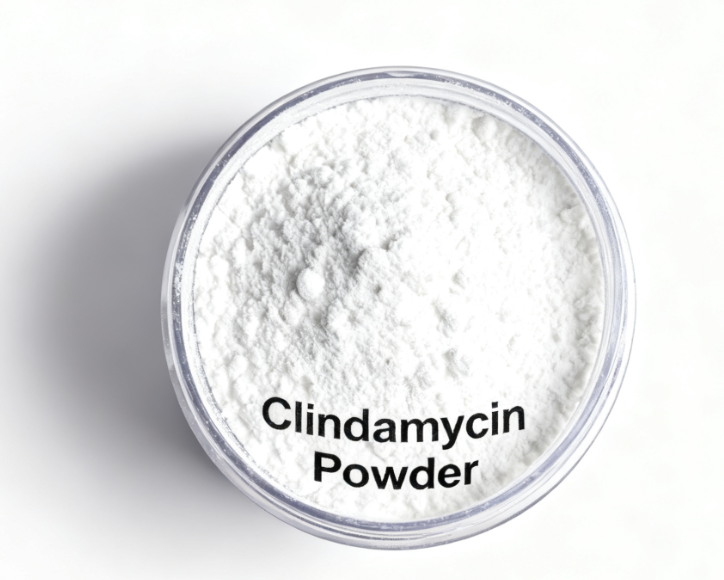
What is Clindamycin Used For?
Clindamycin is a versatile antibiotic used to treat a range of serious bacterial infections. Its primary uses include:
-
Serious Skin and Soft Tissue Infections: This includes infections like cellulitis, abscesses, and infected wounds. It's particularly effective against bacteria that can cause deep, painful skin infections.
-
Acne Vulgaris: Clindamycin in topical form (gel, lotion) is a common and effective treatment for inflammatory acne. It works by killing the acne-causing bacteria (C. acnes) on the skin and reducing inflammation.
-

-
Bone and Joint Infections: Such as osteomyelitis, which is a bone infection.
-
Certain Respiratory Tract Infections: Including pneumonia, lung abscesses, and tonsillitis, especially when caused by anaerobic bacteria or when penicillin is not an option.
-
Pelvic Inflammatory Disease (PID): Often used in combination with other antibiotics to treat this serious infection of the female reproductive organs.
-
Bacterial Vaginosis (BV): For this condition, Clindamycin is often prescribed as a vaginal cream or suppository to restore the natural balance of bacteria in the vagina.
-
Dental Infections: It is frequently used in dentistry to treat tooth abscesses and other dental infections involving anaerobic bacteria.
How Clindamycin Works?
Clindamycin works by attacking bacteria at a fundamental level: protein synthesis.
Here's a simple breakdown:
-
Bacteria need to produce proteins to build their cell structures, survive, and multiply.
-
Clindamycin penetrates the bacterial cell and binds to a key part of its protein-making machinery (the 50S ribosomal subunit).
-
By binding to this machinery, it effectively blocks the production of essential proteins.
-
Without the ability to make these proteins, the bacteria cannot grow, replicate, or repair themselves. This action is called bacteriostatic—it halts the growth of bacteria, allowing your body's own immune system to then clear out the infection effectively.


