

Cholecalciferol: The Sunshine Vitamin D3
Cholecalciferol: The Sunshine Vitamin D3
What Is Cholecalciferol Vitamin D3
Cholecalciferol, or vitamin D3, belongs to the secosteroid family. In nature, human skin synthesizes it when exposed to ultraviolet B sunlight. Industrial production commonly uses irradiated 7-dehydrocholesterol derived from lanolin, then processes it into oil, powder or beadlet forms for downstream formulation.
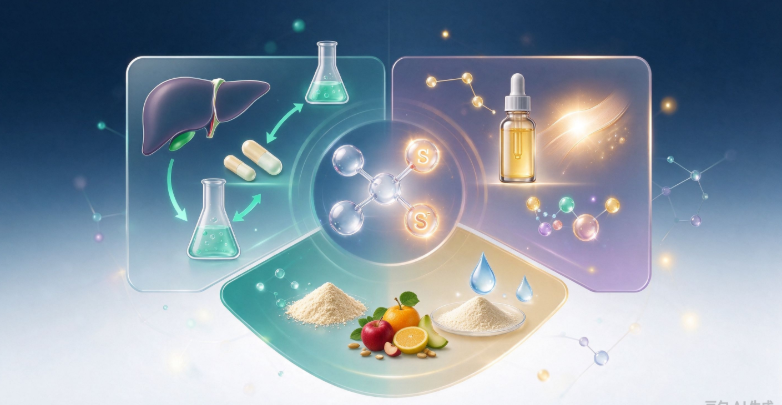
It differs from ergocalciferol (vitamin D2). Clinical studies confirm cholecalciferol raises and sustains serum 25-hydroxyvitamin D levels more steadily, making it the preferred form for supplementation. After intake, it travels to the liver for first hydroxylation, then moves to kidneys to form calcitriol, the biologically active metabolite that binds vitamin D receptors across many body tissues (UNSW Sydney).
Core Physiological Functions Bone & Beyond
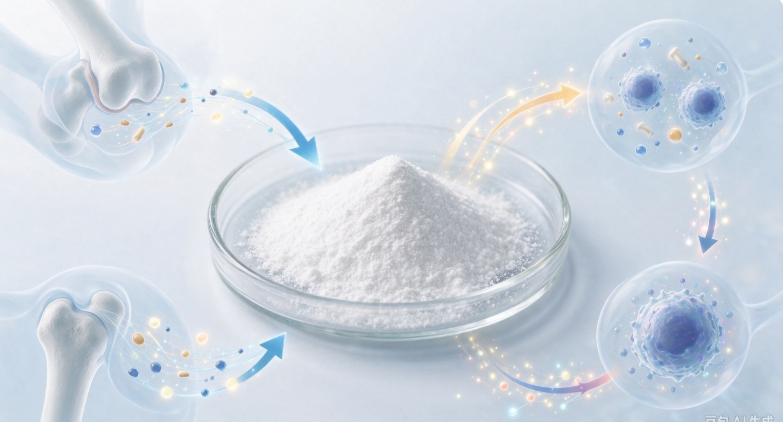
It enhances intestinal calcium absorption, supports bone mineralization, and reduces risks of rickets in children and osteomalacia or osteoporosis in adults and the elderly (National Center for Biotechnology Information).
Cholecalciferol participates in immune cell maturation and inflammatory response regulation, supporting the body's natural defense mechanisms.
Emerging research links adequate vitamin D3 status with better muscle function, mood support and long-term metabolic wellness, though these benefits still require more large-scale clinical validation (PMC).
Main Application Fields Three Tracks
Treats and prevents vitamin D deficiency, aids hypoparathyroidism management and supports bone-related clinical care following local medical guidelines.
Manufacturers add standardized cholecalciferol to milk, plant drinks, cereals and infant formula to lift population nutrient intake.
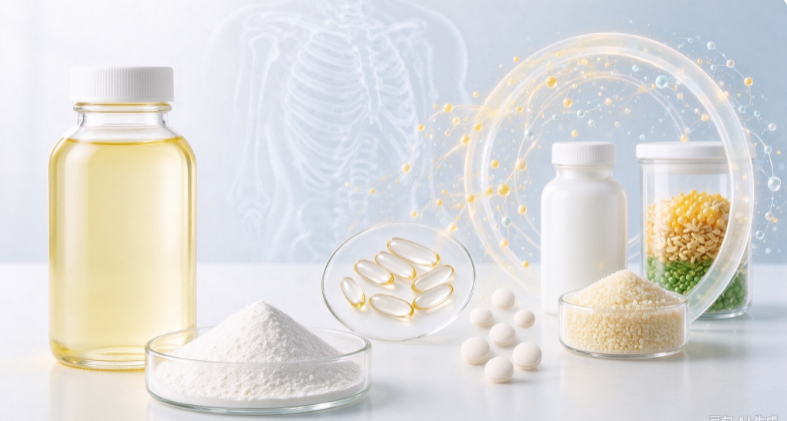
It appears in softgels, tablets, oral drops and premixed nutrient blends, popular in sports nutrition and senior health formulas for convenient daily intake.
Safety and Usage Notes Caution
Fat-soluble accumulation: Cholecalciferol accumulates in adipose tissue, so excessive long-term intake carries risks such as hypercalcemia. Recommended intake varies by age group; adults generally follow regional public health guidance for maintenance doses, while deficiency correction should be guided by blood testing and healthcare providers.
People with malabsorption disorders, chronic kidney disease or calcium metabolism disorders need special assessment before high-dose supplementation. Quality raw material selection, accurate dosage control and stable storage away from heat and light are essential to preserve cholecalciferol potency in finished products.
Global Market and Regulatory Trend Growth
Global demand for cholecalciferol keeps rising, driven by rising public awareness of vitamin D deficiency and the shift toward preventive healthcare. The vitamin D3 segment dominates the vitamin D ingredient market, supported by consistent adoption across North America, Europe, Asia-Pacific and Middle Eastern markets.
Regulatory frameworks differ by jurisdiction. Authorities set specification limits, permitted use levels and labeling requirements for cholecalciferol as a food fortificant, supplement ingredient or drug. Suppliers must provide complete documentation including COA, allergen statements and compliance certificates to meet import and inspection standards in target markets.
Future Development Direction Innovation
Microencapsulated D3 powder improves stability and compatibility with dry powder blends, while emulsified liquid versions enhance absorption for consumers with low fat intake. Vegan-source D3 raw materials are also being developed to match growing clean-label and plant-based consumer demands.
Combination formulas pairing cholecalciferol with vitamin K2, magnesium or calcium gain popularity because these nutrients work synergistically for bone health. With deeper nutrition science research, the ingredient will keep expanding its value in personalized nutrition and public health intervention programs.
📌 Conclusion
Cholecalciferol stands as a foundational health ingredient with proven bone-support benefits and promising multi-system potential. Its high bioavailability, flexible formulation options and broad regulatory acceptance underpin its steady market growth.
For producers, brand owners and distributors, reliable raw material quality, compliant dosage design and science-backed product positioning remain the keys to capturing opportunities in the global vitamin nutrition market.For more product and cooperation information, please visit our website: https://www.ruizelinbio.com