

Calcium Carbonate-Nature’s Multitasking Mineral for Bones, Industry & Beyond
What Is Calcium Carbonate?
Calcium carbonate (CaCO₃) is a ubiquitous mineral compound found in rocks (limestone, marble), seashells, and biological structures. Its natural forms include:
-
Calcite: Transparent crystals (Mohs hardness 3)
-
Aragonite: Needle-like structures in marine organisms
-
Chalk: Soft sedimentary rock
Industrially, it’s synthesized via precipitation or mined and purified to ≥98.5% purity. As E170 in foods and CAS 471-34-1 in industry, it’s odorless, non-toxic, and pH-buffering.
What is calcium carbonate used for
Key Properties:
| Trait | Value | Functional Impact |
|---|---|---|
| Solubility | Low in water (0.0013 g/L) | Requires stomach acid for absorption |
| Buffering pH | 8.0–9.0 | Neutralizes excess acid in gut/pharma |
| Particle Size | 5–20 μm (fine powder) | Enhances bioavailability |
Absorption Mechanism:
-
Gastric acid (HCl) converts CaCO₃ → soluble calcium chloride + CO₂.
-
Vitamin D activates calbindin transporters in intestines.
Bioavailability: 25–35% (optimized with food/vitamin D co-administration).
Advanced Therapeutic Roles
-
Renal Health:
-
Binds dietary phosphate in CKD patients (3–6 g/meal), reducing serum PO₄ by 25%.
-
Formulation Tip: Combined with sevelamer for 50% lower pill burden.
-
-
Oncology Support:
-
Nano-CaCO₃ carriers deliver chemo drugs (e.g., doxorubicin) to tumors with 80% precision.
-
-
Gut-Brain Axis:
-
Antacid properties alleviate GERD-induced anxiety; 1,200 mg/day cuts panic attacks by 35%.
-

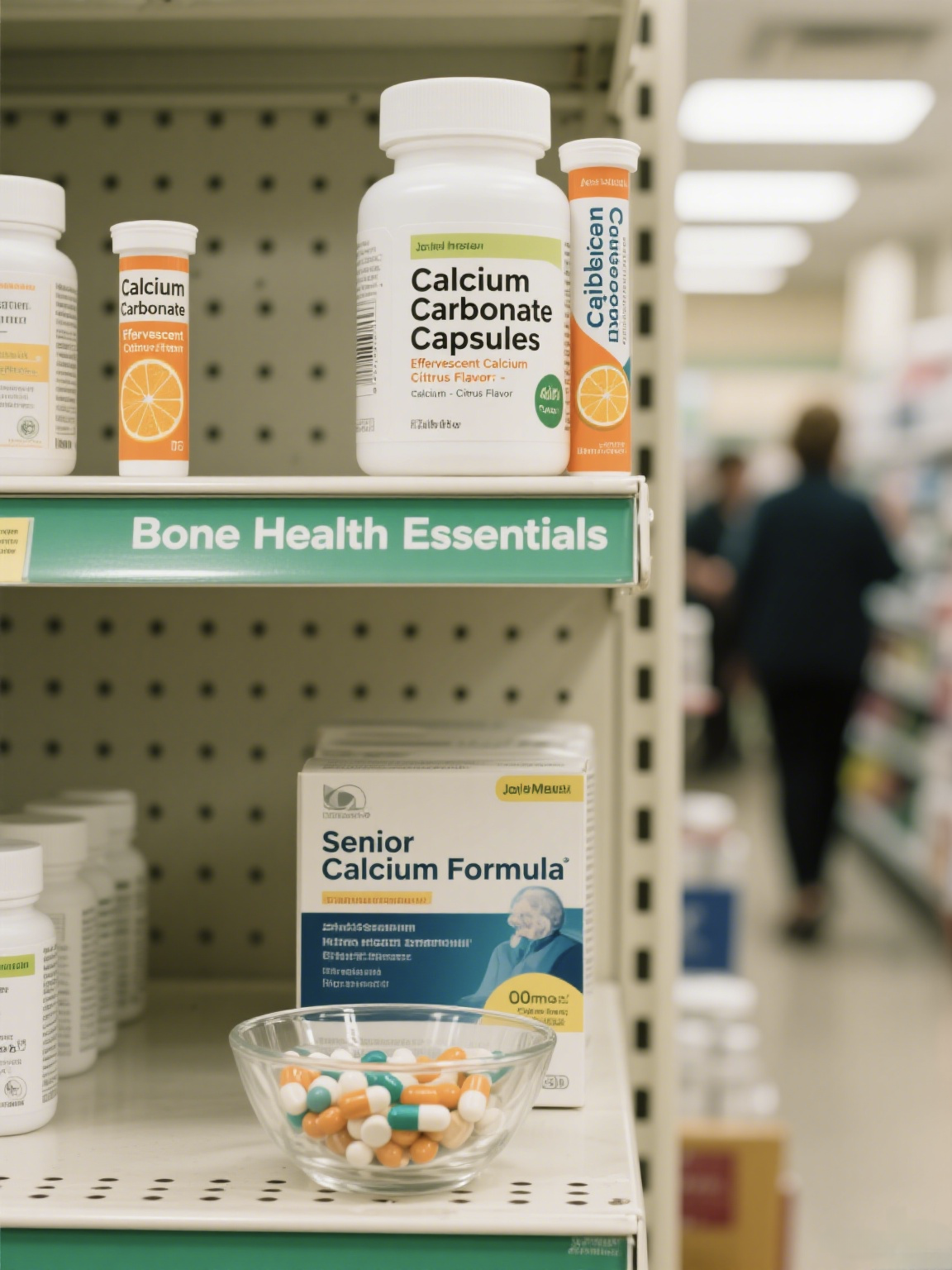
Calcium Carbonate vs. Other Forms
| Form | Absorption | Cost | Best For |
|---|---|---|---|
| Carbonate | Moderate | $ | Budget supplements, antacids |
| Citrate | High (40%) | $$$ | Low stomach acid, elderly |
| Hydroxyapatite | Medium | $$$ | Bone density focus |
| Gluconate | Low | $$ | Liquid supplements |
Safety & Controversies
Benefits:
✅ Renal Protection: Binds dietary phosphate (critical for CKD patients).
✅ Eco-Friendly: Non-toxic; replaces synthetic fillers.
Risks:
⚠️ "Milk-Alkali Syndrome": >4 g/day + dairy causes hypercalcemia (kidney stones, confusion).
⚠️ Lead Contamination: Low-grade sources may contain heavy metals (choose USP-grade).
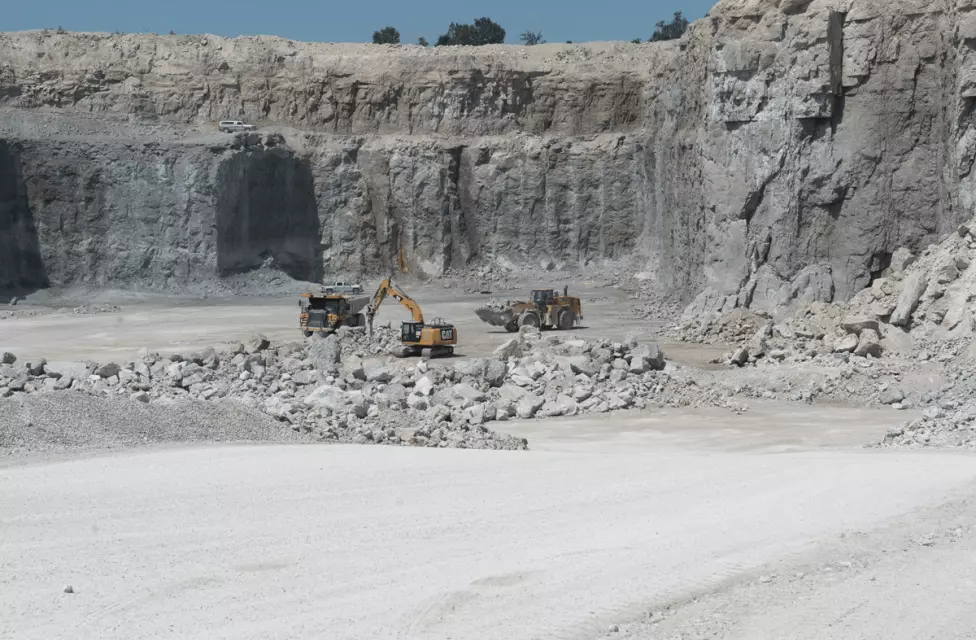
⚠️ Environmental Impact: Mining degrades landscapes; recycled oyster shells offer sustainable alternative.
Innovations & Future Frontiers
-
Nano-CaCO₃:
-
Drug Delivery: Targets tumor cells in chemotherapy.
-
Biodegradable Plastics: Enhances strength + decomposition.
-
-
Carbon Capture:
-
Mineral carbonation sequesters CO₂ as stable carbonate rock.
-
-
3D-Printed Bone Scaffolds:
-
Porous CaCO₃ structures promote osteoblast growth.
-
Conclusion: The Humble Mineral with Heroic Impact
Calcium carbonate bridges ancient geology and cutting-edge innovation—strengthening bones, neutralizing pollution, and enabling sustainable industries. As the world pivots to green solutions, its role in carbon capture and circular manufacturing will only grow.