


Astaxanthin: A Natural "Nutritional Guardian" for Pet Health
Astaxanthin: A Natural "Nutritional Guardian" for Pet Health
As pet care concepts become increasingly refined, pet owners are paying growing attention to the role of natural nutritional supplements in promoting their furry friends’ health. Astaxanthin, a potent natural antioxidant, has long been highly regarded in human health care. Its multiple benefits for pets have also been gradually verified by scientific research and practical applications. From boosting immunity to caring for skin and joints, this natural pigment is emerging as an indispensable "nutritional guardian" in pet health management.
1. Strengthening the Immune Barrier: Building a Solid First Line of Defense for Health
A pet’s immune system is the core defense against pathogens such as bacteria and viruses, while oxidative stress is a key factor that damages immune cells and weakens immunity. Boasting exceptional antioxidant activity—550 times that of vitamin E and 6,000 times that of vitamin C—astaxanthin can effectively scavenge free radicals in pets’ bodies, reduce oxidative damage to immune cells, and maintain the normal activity of these cells.
Studies have shown that moderate astaxanthin supplementation can promote the secretion of immune factors (e.g., interleukins and interferons) in pets, enhance the phagocytic capacity of immune cells like macrophages and lymphocytes, and help pets better resist common health issues such as colds and inflammations. Especially for senior pets, those in post-operative recovery, or small breed dogs and cats with weak immunity, astaxanthin can help boost the body’s resistance, lower the risk of illness, and keep pets more energetic.

2. Nourishing Skin and Coat: Achieving a Glossy "Stunning Look"
A pet’s skin and coat condition is a barometer of its overall health. Problems like dryness, itching, hair loss, and rough fur not only affect appearance but may also signal skin inflammation. With dual anti-inflammatory and antioxidant effects, astaxanthin can penetrate pet skin cells deeply, reduce free radical irritation to the skin, alleviate inflammatory responses, and relieve discomfort such as dry and itchy skin.
Meanwhile, astaxanthin can enhance skin blood circulation, supply sufficient nutrients to hair follicles, help repair damaged follicles, and make the fur thicker, smoother, and more lustrous. For pets troubled by chronic skin diseases or poor coat quality, combined supplementation with astaxanthin can help improve skin condition to a certain extent, allowing furry companions to regain a beautiful and healthy coat.
3. Protecting Joint Health: Supporting Flexible Movement
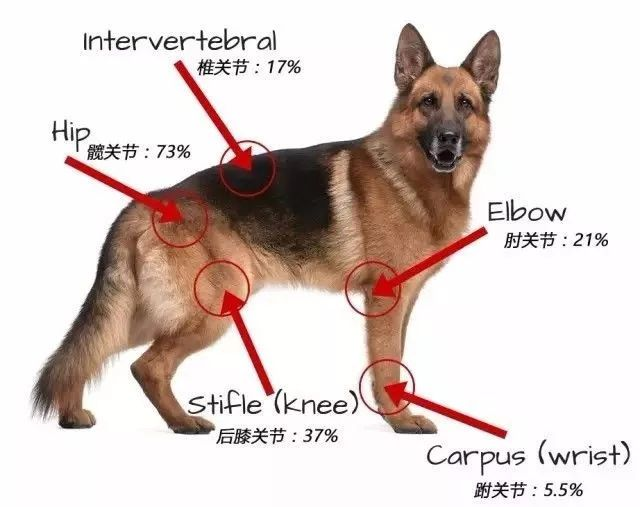
As pets age, joint wear and cartilage degeneration become increasingly prominent. This is especially true for medium and large-sized dogs, overweight pets, and senior pets, which are prone to joint stiffness, pain, and decreased mobility. Astaxanthin can inhibit the production of inflammatory factors in joints, reduce joint inflammation and swelling, and relieve pain and discomfort. At the same time, it can protect chondrocytes from oxidative damage, slow down the rate of cartilage degeneration, and maintain the elasticity and toughness of joint cartilage.
For pets with heavy joint load, long-term moderate supplementation with astaxanthin, combined with nutrients such as chondroitin and glucosamine, can better protect joint health, help pets maintain flexible mobility, reduce pain caused by joint problems, and improve their quality of life in old age.
4. Safeguarding Eye Health: Brightening the "Window to the Soul"
Pet eye health is easily overlooked, yet oxidative stress is one of the major causes of eye diseases such as cataracts and retinal degeneration. Being fat-soluble, astaxanthin can easily cross the retinal barrier, exert antioxidant effects in retinal cells, scavenge free radicals, reduce light-induced damage to the retina, and slow down the progression of retinal degeneration.
In addition, astaxanthin can reduce eye inflammation, relieve discomfort such as dry and red eyes, and play a supportive role in preventing pet eye problems like cataracts and dry eye syndrome. Long-term supplementation can help pets maintain clear vision and safeguard their bright "window to the soul".
Notes on Astaxanthin Supplementation for Pets
- Choose pet-specific products: Astaxanthin supplements for humans may contain ingredients unsuitable for pets (e.g., flavorings and colorants). Always opt for products labeled "pet-specific" to ensure the formula is safe and tailored to pets’ needs.
- Follow the right dosage: Adjust the dosage based on your pet’s weight, age, and health status. Excessive supplementation may increase liver burden. It is recommended to follow product instructions or consult a veterinarian.
- Pay attention to source and purity: High-quality astaxanthin is mostly derived from natural algae (e.g., Haematococcus pluvialis), which offers higher purity and better safety. Avoid inferior products of unknown origin.
- Not a substitute for medication: Astaxanthin is a nutritional supplement and cannot replace drugs for treating diseases. If your pet suffers from immune disorders, joint inflammation, or other illnesses, seek veterinary treatment first, then use astaxanthin as a supportive supplement.
Conclusion
As a natural "king of antioxidants", astaxanthin provides all-round protection for pet health—from enhancing immunity to caring for skin, joints, and eyes. In daily pet care, scientific supplementation with astaxanthin can help pets resist health challenges brought by aging and the environment, allowing them to accompany us for a longer, healthier, and happier life. Choose high-quality products and follow scientific dosage guidelines to let this natural nutrient become a valuable plus for your pet’s health.


