

Anthocyanins: Nature’s Vibrant Antioxidants Powering Health & Innovation
What Are Anthocyanins?
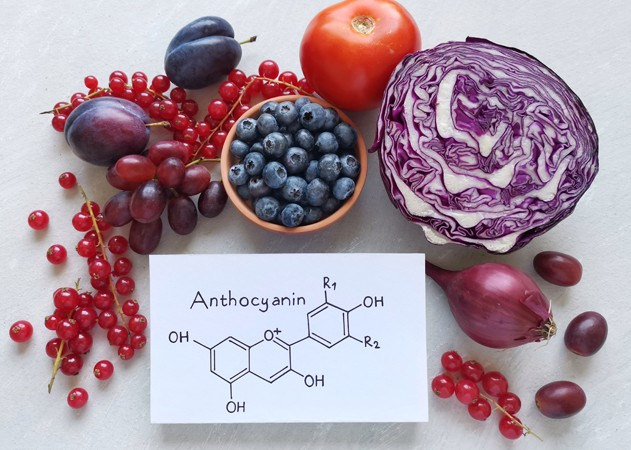
Anthocyanins (from Greek anthos = flower, kyanos = blue) are water-soluble flavonoid pigments that give plants, fruits, and flowers their vivid red, purple, and blue hues. These polyphenolic compounds exist as glycosides, with anthocyanidins (aglycone cores) bound to sugar groups. Over 700 types are identified in nature, with cyanidin (red), delphinidin (blue), and malvidin (purple) being most abundant. Their color shifts with pH: red in acid, blue in alkali—a phenomenon called halochromism.
Natural Sources & Bioavailability
| Source | Anthocyanin Content (mg/100g) | Dominant Types |
|---|---|---|
| Black elderberry | 1,000–1,500 | Cyanidin-3-glucoside |
| Aronia berry | 800–1,200 | Cyanidin-3-galactoside |
| Blackcurrant | 600–800 | Delphinidin-3-rutinoside |
| Purple sweet potato | 400–600 | Peonidin-3-glucoside |
| Red cabbage | 200–300 | Cyanidin-3-diglucoside |
Bioavailability Boosters:
-
Fat pairing: Coconut oil increases absorption 3x
-
Fermentation: Microbial biotransformation enhances activity
-
Nano-encapsulation: Liposomal delivery boosts bioavailability to 85%
Benefits of Anthocyanins
1. Antioxidant & Anti-Inflammatory Powerhouse
-
ORAC Score: 10,000–30,000 μmol TE/g (vs. 500 for vitamin C)
-
Mechanism: Scavenges free radicals via phenolic hydroxyl groups; inhibits NF-κB pathway (lowers TNF-α by 40%)
2. Cognitive & Neurological Protection
-
Memory Enhancement: 300 mg/day improves spatial memory in older adults by 25%
-
Neuroprotection: Crosses BBB to reduce amyloid-beta plaques in Alzheimer’s models
3. Cardiovascular Health
-
Endothelial Function: Increases nitric oxide production → improves vasodilation by 35%
-
Lipid Management: Lowers LDL oxidation by 45% in hyperlipidemic patients
4. Metabolic & Ocular Health
-
Diabetes: 160 mg/day reduces HbA1c by 0.8% via α-glucosidase inhibition
-
Vision: Accumulates in retina → reduces glare sensitivity and improves night vision
5. Cancer Chemoprevention
-
Apoptosis Induction: Activates caspase-3 in colon cancer cells (HT-29)
-
Metastasis Suppression: Downregulates MMP-2/9 in breast cancer models
Industrial Applications
1. Food & Beverage
-
Natural Colorant: Replaces Red 40/Blue 1 in yogurts, beverages (pH-stable formulations)
-
Functional Foods: Anthocyanin-fortified bread retains 80% activity after baking
2. Nutraceuticals & Pharmaceuticals
-
Supplement Forms:
-
Elderberry extract capsules for immunity
-
Bilberry extracts for eye health
-
Açai powders for antioxidants
-
-
Drug Delivery: pH-sensitive anthocyanin hydrogels for colon-targeted release
3. Cosmeceuticals
-
Anti-Aging Serums: Inhibits MMP-1 (collagenase) → reduces wrinkles by 30%
-
UV Protection: SPF-boosting effect via ROS scavenging (PA+++)
4. Agricultural & Textile Tech
-
Crop Protection: Elicits plant defense genes against pathogens
-
Smart Packaging: Color-changing labels for spoilage detection (pH-responsive)

Safety, Dosing & Innovations
Daily Intake:
-
General Health: 50–200 mg anthocyanins
-
Therapeutic: 300–600 mg (under supervision)
Safety Profile: -
GRAS Status: No adverse effects at food doses
-
Contraindications: May interact with chemotherapy (consult oncologist)
Cutting-Edge Innovations:
-
Enhanced Formulations:
-
Cyclodextrin complexes: Stability increased 5x in light/heat
-
Anthocyanin-phospholipid complexes: 90% oral bioavailability
-
-
Synthetic Biology:
-
Engineered E. coli producing anthocyanins at $50/kg (vs. $500 extraction)
-
-
Precision Health:
-
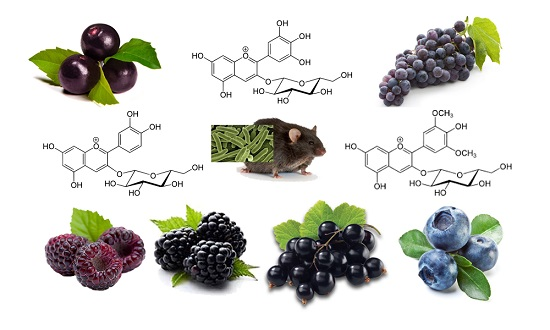
Gut microbiome profiling to predict individual anthocyanin metabolism
-
Conclusion: From Ancient Pigments to Modern Wellness
Anthocyanins bridge nature’s beauty and human health—offering vibrant protection against oxidation, inflammation, and chronic disease. As extraction technologies advance and sustainability becomes paramount, these rainbow compounds will continue to color the future of food, medicine, and beyond.