




Naringin
CAS NO. 10236-47-2
MF: C27H32O14
EINECS: 233-566-4
Naringin is mainly existed in the peel of grapefruit, lime, and their varieties; it has multiple biological activities and is widely applied in the fields of medicine, food, and cosmetics.
It was observed to improve ascites, experimental pulmonary edema, peritonitis, and oxygenation .
At present, the extraction methods of naringin are hot water extraction, alkali extraction, and acid precipitation and organic solvent extraction. A series of pharmacological activity studies have been conducted and demonstrated its various biological activities .
pka: 7.17±0.40(Predicted)
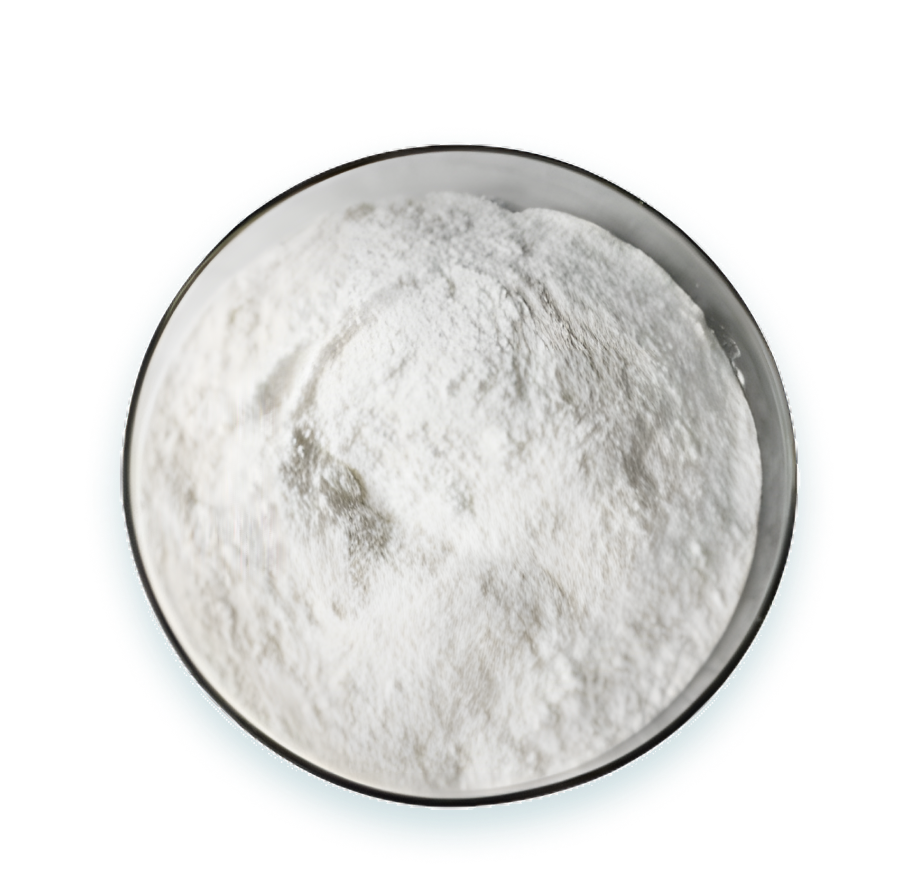
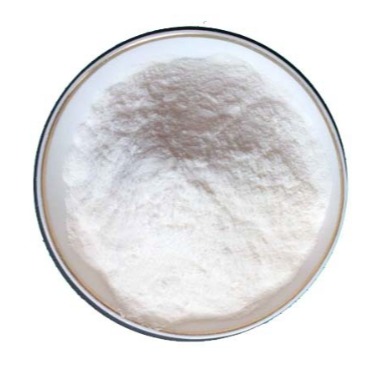
Color : off-white
Optical activity [α]20/D 80±10°, c = 1% in ethanol
Water Solubility Soluble in water, alcohol, acetone and warm acetic acid.
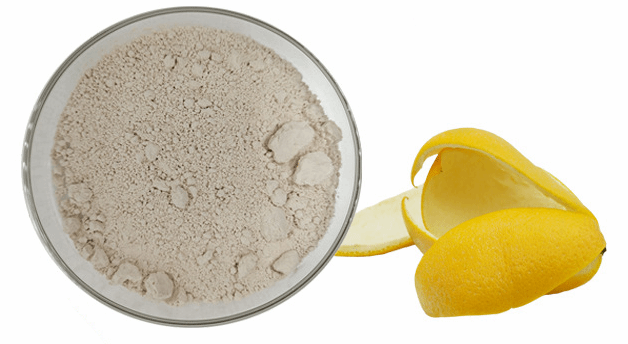


Naringin is also called naringoside, hesperidin, and isohesperidin.
It is a pale yellow flavanone compound extracted from immature or nearly mature outer layer of C. paradisi Macfad which belongs to Citrus grandis (L.) Osbeck.
It tastes bitter and is naturally existed in the skin and flesh of Rutaceae like grapefruit, mandarin orange, and orange.
Naringin is also one of the active ingredients in many traditional Chinese medi cines like Rhizoma Drynariae, Immature Bitter Orange, Fructus Aurantii, and Exocarpium Citri Grandis.
Naringin can significantly improve local microcirculation and nutrient supply, effectively fight dark circles and brighten the eyes.
Naringin has also been shown to inhibit the proliferation and migration of melanocytes, thus combating the pigmentation of dark circles caused by hyperpigmentation.