


Maltitol-The Complete Guide to This Popular Sugar Alcohol
1. What is Maltitol?
Maltitol is a sugar alcohol (polyol) derived from the hydrogenation of maltose, which is obtained from starch (usually corn, wheat, or potato).
Chemical Profile:
-
Formula: C₁₂H₂₄O₁₁
-
Sweetness: 75–90% as sweet as sucrose (table sugar)
-
Caloric Value: 2.1 calories per gram (compared to sugar’s 4 calories)
-
Glycemic Index (GI): 35 (low) vs. Sugar’s GI of 65
-
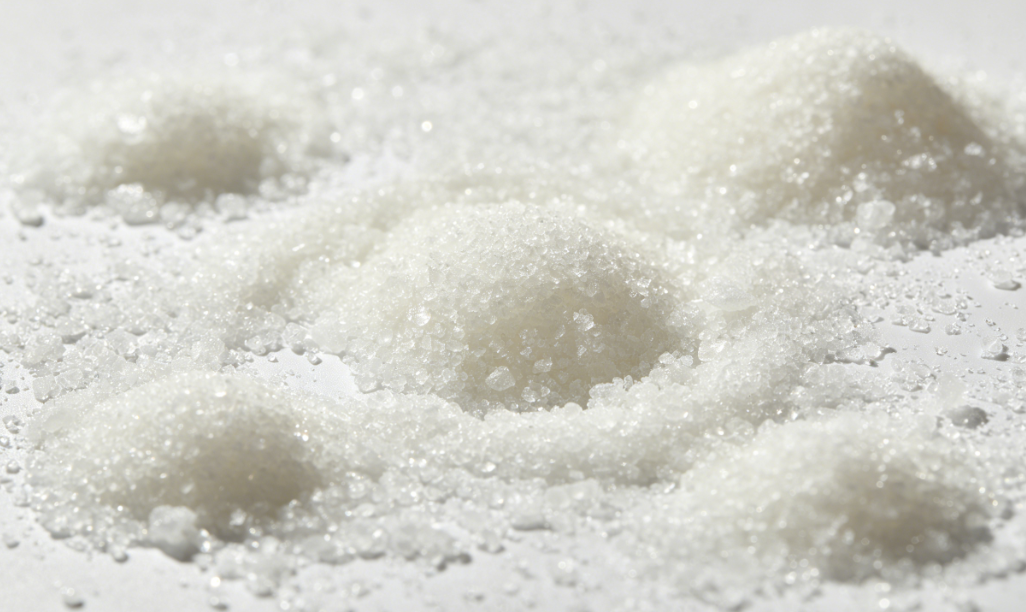
Unlike artificial sweeteners (like aspartame or sucralose), Maltitol is a bulk sweetener. This means it provides volume, texture, and mouthfeel similar to real sugar. It is white, crystalline, and soluble in water, making it a near-perfect substitute in manufacturing.
Key distinction: Maltitol is not absorbed completely by the body. Most of it passes through the small intestine without being metabolized, which is why it has fewer calories and a lower blood sugar impact.
2. Applications: Where is Maltitol Used?
Because Maltitol behaves so similarly to sugar, it has become a workhorse ingredient in the food and pharmaceutical industries.
A. Sugar-Free Confectionery
This is the largest application. Maltitol doesn’t crystallize easily and provides a smooth, glossy finish.
-
Chocolate: Maltitol is used to make sugar-free chocolate bars. It provides the same snap, melt-in-the-mouth texture, and creamy feel as sugar-based chocolate.
-
Hard Candies & Lollipops: It resists browning (Maillard reaction) and provides high heat stability.
-
Chewing Gum: It is the primary sweetener in most sugar-free gums because it does not promote cavities.
B. Baked Goods
Unlike many high-intensity sweeteners, Maltitol provides bulk. It adds browning, moisture retention, and tenderness to cookies, cakes, and muffins. "Sugar-free" biscuits almost always rely on Maltitol.
C. Pharmaceuticals
-
Syrups & Suspensions: Maltitol is used as an excipient to mask the bitter taste of medicines.
-
Cough Drops & Throat Lozenges: It provides a slow, cooling sweetness.
D. Frozen Desserts
Sugar-free ice cream and popsicles use Maltitol to prevent ice crystal formation and maintain a creamy texture, matching the freezing point depression of sugar.

E. Nutritional Supplements
Protein bars and meal replacements often use Maltitol to add sweetness without the sugar spike, though consumers are increasingly looking for alternatives due to digestive concerns.
3. Efficacy & Health Benefits (Why Choose It?)
For manufacturers and consumers, Maltitol offers several distinct advantages over regular sugar.
✅ Dental Health (Non-Cariogenic)
This is the most scientifically proven benefit. Bacteria in the mouth cannot ferment Maltitol to produce the acids that erode tooth enamel. The FDA and dental associations recognize sugar-free products sweetened with Maltitol as beneficial for oral health.
✅ Blood Sugar Management (Low Glycemic)
For diabetics and prediabetics, Maltitol is a game-changer. With a GI of 35, it causes a significantly lower rise in blood glucose and insulin levels compared to sugar. However, note that it is not zero-GI (unlike erythritol); moderation is key.
✅ Calorie Reduction
At 2.1 calories per gram, it reduces caloric load by roughly 50% compared to sugar. For individuals counting calories for weight management, swapping sugar for Maltitol can create a meaningful deficit over time.


