


Malic Acid Benefits Uses and Who Should Take It A Complete Guide
Malic Acid: Benefits, Uses, Who Should Take It, and More
From cellular energy to radiant skin — a complete guide to this quiet powerhouse molecule hiding in your fruit bowl.
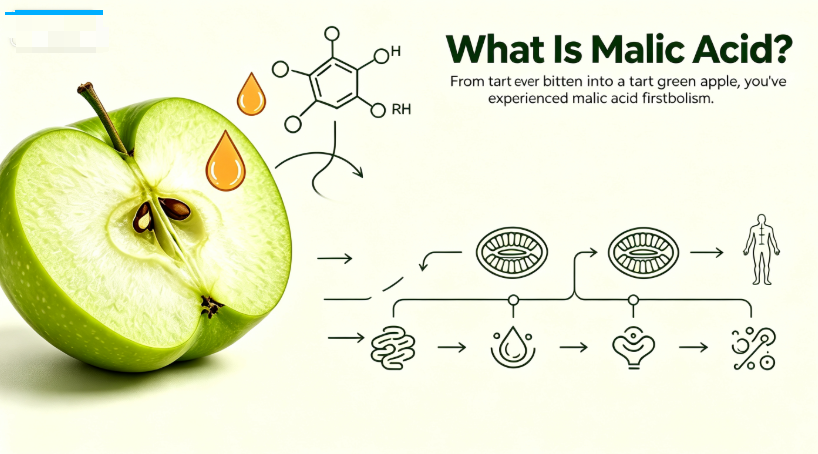
If you've ever bitten into a tart green apple, you've experienced malic acid firsthand. But this naturally occurring compound is far more than just a source of sour flavor — it plays a critical role in energy production, mineral absorption, exercise performance, and even skin care.
Whether you're an athlete, someone dealing with chronic fatigue, or simply curious about how to support your body's energy metabolism, understanding malic acid can offer real benefits.
This article breaks down what malic acid is, its key benefits, how it's used, who should consider it, and what side effects to watch for.
What Is Malic Acid?
Malic acid is a naturally occurring organic acid, chemically known as hydroxybutanedioic acid. It was first isolated from apple juice in 1785 by Swedish chemist Carl Wilhelm Scheele — hence the name "malic," derived from the Latin word for apple (malum).
In biochemistry, malic acid is a key intermediate in the Krebs Cycle (Citric Acid Cycle), the process your cells use to convert food into usable energy (ATP). In other words, without malic acid, your body cannot efficiently turn nutrients into energy.
Beyond its natural presence in apples, cherries, grapes, and other fruits, malic acid is widely used as a food additive (acidulant, E296) and as an ingredient in dietary supplements.
Quick fact: Malic acid is responsible for the tart taste in many fruits — and it's also a vital molecule in your body's energy cycle.
Core Benefits and Mechanisms of Malic Acid
1 Boosts Energy and Reduces Fatigue
This is malic acid's most talked-about benefit. Because it directly participates in the Krebs Cycle, supplementing with malic acid may help:
- Accelerate energy production by promoting the conversion of pyruvate into acetyl-CoA, improving ATP generation.
- Reduce lactic acid buildup in muscles after exercise, easing soreness.
- Support mitochondrial function, which is especially beneficial for people with chronic fatigue syndrome (CFS) and fibromyalgia.
2 Enhances Mineral Absorption
Malic acid has chelating properties, meaning it can bind to minerals like calcium, magnesium, and iron, forming compounds that are easier for the gut to absorb. This is why calcium malate and magnesium malate supplements often have higher bioavailability than standard mineral tablets.
3 Supports Skin Health and Exfoliation
In skincare, malic acid belongs to the alpha-hydroxy acid (AHA) family. Compared to glycolic acid and lactic acid, it has a larger molecular size and penetrates more slowly, making it less irritating — ideal for sensitive skin.
- Gentle exfoliation: Dissolves the bonds between dead skin cells, promoting cell turnover.
- Improves uneven skin tone: Helps fade hyperpigmentation and brighten the complexion.
- Hydration: Acts as part of the skin's natural moisturizing factor, helping lock in moisture.
4 Potential Oral and Liver Health Support
- Saliva production: Chewing gum containing malic acid can stimulate saliva flow, helping prevent dry mouth and tooth decay.
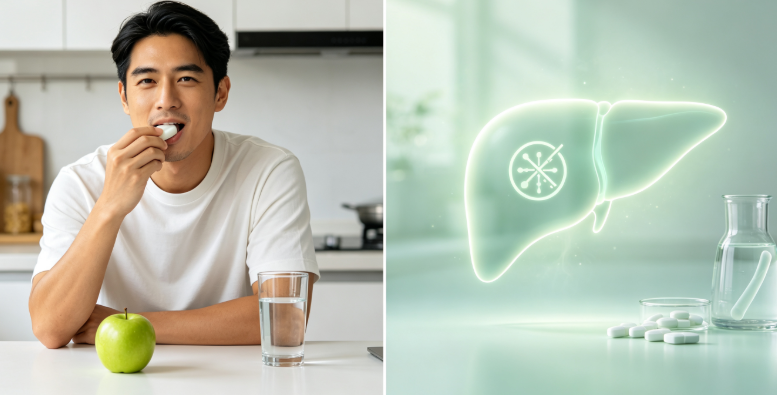
- Liver support: Some preliminary research suggests malic acid may aid liver detoxification, but evidence remains limited.
Key Applications of Malic Acid
| Area | Common Uses |
|---|---|
| Dietary Supplements | Combined with magnesium (magnesium malate) for muscle soreness and energy; with calcium for bone health. |
| Sports Nutrition | Pre-workout supplements to improve endurance and reduce lactic acid buildup. |
| Skincare & Cosmetics | Chemical peels, exfoliating cleansers, anti-aging serums. |
| Food & Beverage | Acidulant and preservative in candies, drinks, and jams. |
| Oral Care | Sugar-free gum and mouthwash to stimulate saliva. |
Who Should Consider Malic Acid?
Malic acid isn't essential for everyone, but the following groups may benefit:
- People with chronic fatigue or fibromyalgia — Magnesium malate is commonly used to ease fibromyalgia symptoms, potentially reducing muscle pain and fatigue.
- Athletes and fitness enthusiasts — Malic acid supplements may improve energy metabolism and speed up recovery.
- Those concerned with skin aging or acne — Skincare products containing malic acid offer gentle exfoliation, helping unclog pores and improve dullness.
- People who need better mineral absorption — If standard calcium or magnesium tablets don't work well for you, malate forms may be a better option.
- Individuals with dry mouth — Sugar-free candies or gum containing malic acid can stimulate saliva production.
Side Effects and Precautions
Although malic acid is natural and generally safe, excessive or improper use can cause issues:
- Gastrointestinal discomfort: High doses of supplements may cause diarrhea or stomach cramps. Start with a low dose and take with food.
- Skin irritation: High-concentration malic acid skincare products may cause stinging or redness. Sensitive skin should patch-test first and build tolerance gradually.
- Tooth erosion: Frequent exposure to acidic substances (acidic drinks, gum) can soften tooth enamel. Rinse your mouth afterward and avoid brushing immediately.
- Who should avoid it:
- People with severe gastric ulcers or excess stomach acid should use oral supplements cautiously.
- Those with kidney impairment should consult a doctor to avoid mineral metabolism burden.
- Pregnant or breastfeeding women should consult a healthcare provider before use.
How to Choose and Use Malic Acid
- Supplements: Common dosage is 500–1,500 mg per day, taken in divided doses. Magnesium malate is often recommended at night for muscle relaxation.
- Skincare: Start with products containing 5%–10% malic acid, use at night, and always apply sunscreen during the day.
- Natural food sources: Apples, cherries, grapes, and carrots are natural sources, but concentrations are too low to reach therapeutic doses.
Frequently Asked Questions
Both are intermediates in the Krebs Cycle, but malic acid is more directly involved in energy metabolism and is gentler than citric acid as an AHA in skincare.
There's no direct evidence that malic acid causes weight loss. However, it may indirectly support exercise performance by improving energy metabolism.
It depends on your goal. Magnesium malate supports muscle relaxation and energy; calcium malate supports bone health.
At recommended doses, it's generally safe, but cycling and consulting a doctor is advised.
Final Thoughts
Malic acid is far more than the sour taste in fruit. From your cells' energy factories to the surface of your skin, it supports health in quiet but powerful ways. Whether you want to boost athletic performance, ease chronic fatigue, or find a gentler skincare acid, malic acid deserves a spot on your wellness radar.
That said, no supplement is a magic bullet. A balanced diet, consistent sleep, and regular exercise remain the foundation of good health. Always consult a healthcare professional before starting any new supplement regimen.
Malic acid supports energy metabolism, mineral absorption, and gentle skin exfoliation. It's generally well tolerated, but always start with a low dose and consult your doctor if you have underlying conditions.
Looking for High-Quality Malic Acid?
If you're interested in malic acid or other pharmaceutical and cosmetic ingredients, feel free to reach out for more information and professional consultation.
Consult Ruizelin → Visit us at www.ruizelinbio.comDisclaimer: This article is for informational purposes only and does not replace professional medical advice. If you have health concerns, please consult a doctor or registered dietitian.


