


Magnesium L Threonate The Smart Magnesium For A Smarter Brain
Magnesium L‑Threonate
Why this magnesium is different. Most magnesium supplements don’t cross the blood-brain barrier. Magnesium L‑Threonate (Magtein®) does — and it’s backed by MIT research for cognitive enhancement.
What is Magnesium L‑Threonate?
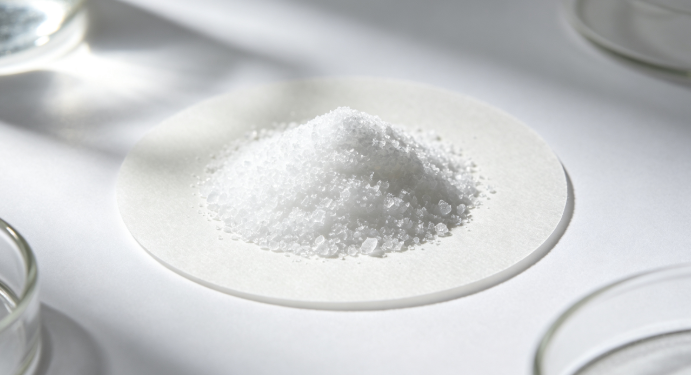
Magnesium L‑Threonate (MgT) is a patented compound that combines magnesium with L‑threonic acid, a vitamin C metabolite. Developed by MIT researchers in 2010, its small, lipophilic structure allows it to cross the blood-brain barrier effectively — raising magnesium levels in cerebrospinal fluid and supporting synaptic function.
Key fact MgT is the only form clinically proven to significantly increase brain magnesium concentrations in human trials.
How does it work?
Magnesium is a natural NMDA receptor blocker. By modulating glutamate activity, MgT prevents excitotoxicity (calcium overload) and promotes synaptic density. It also boosts BDNF (Brain-Derived Neurotrophic Factor), supporting neuron survival and neuroplasticity.
Top health benefits
- Enhances working & short‑term memory — human trials show improved executive function and episodic memory in older adults.
- Reduces brain fog — stabilises neural firing, improving mental clarity and focus.
- Supports stress response & mood — regulates cortisol and the HPA axis, reducing anxiety.
- Promotes deep sleep — increases GABA activity, helping you fall asleep faster without grogginess.
- Neuroprotective — reduces glutamate excitotoxicity, supporting long‑term cognitive reserve.
- May relieve chronic pain — modulates central pain pathways, beneficial for fibromyalgia and migraines.

Applications & usage
- Cognitive performance — stacked with nootropics for high‑stakes work or study.
- Sleep optimisation — taken 1‑2 hours before bed to calm the overactive mind.
- Age‑related cognitive decline — gentle support for memory and daily function.
- ADHD & focus — adjunct therapy to improve attention and reduce impulsivity.
Dosage: how much should you take?
Standard clinical dose: 1,500–2,000 mg daily (≈ 144–192 mg elemental magnesium). Split into two or three doses for steady brain levels.
Tip Start with 500 mg to assess tolerance, then gradually increase over a week.
Who should take it?
- Older adults (50+) — to preserve synaptic health and memory.
- Students & academics — for working memory and reduced cognitive fatigue.
- High‑stress professionals — to buffer neurological effects of chronic stress.
- Individuals with sleep disturbances — non‑habit forming sleep support.
- People with magnesium deficiency — especially if it affects mood or cognition.
- Athletes — improves reaction time and hand‑eye coordination.
Who should avoid it?
- Severe kidney disease (consult a doctor).
- Those taking aminoglycoside antibiotics.
- Pregnant or nursing women — consult your OB‑GYN.

Side effects & safety
Generally well‑tolerated. Less gastrointestinal distress than citrate or oxide. Rare side effects: mild headaches (initial adjustment) or drowsiness if taken in high daytime doses. Always follow recommended limits.
MgT vs. other magnesium forms
| Form | Bioavailability | Brain penetration | Best for |
|---|---|---|---|
| L‑Threonate | Moderate (elemental) | High | Cognition, memory, sleep |
| Glycinate | High | Low | Anxiety, muscle relaxation |
| Citrate | High | Low | Constipation, general Mg boost |
| Oxide | Very low | None | Gastrointestinal clearing |
| Malate | Moderate | Low | Fibromyalgia, fatigue |
The verdict: For brain health, MgT is unmatched. For muscle pain or digestion, other forms may be more cost‑effective.
How to choose a quality supplement
- Look for “Magtein®” — the patented, clinically tested form.
- Third‑party testing — ensure purity (heavy metals, contaminants).
- Capsule vs. powder — capsules for convenience, powder for value (mix with juice).
- Avoid unnecessary fillers — magnesium stearate, artificial colors, etc.
The bottom line
Magnesium L‑Threonate is more expensive than standard magnesium, but for safe, legal cognitive enhancement and neuroprotection, it’s one of the most valuable supplements available. It offers subtle, cumulative improvements in clarity, recall, and stress resilience — an investment in long‑term brain health.
Frequently Asked Questions
Yes. Caffeine may slightly increase magnesium excretion, so stay hydrated.
Some notice deeper sleep within a week. Cognitive improvements (memory, focus) typically take 4–6 weeks of consistent use.
Generally yes, but it may interfere with bisphosphonates and certain antibiotics. Take MgT at least 2 hours apart from those drugs.
Most capsules use vegetable cellulose, but check the label for certification.
Final recommendation
If you’re over 40, live a high‑stress life, or simply want to keep your mind sharp, Magnesium L‑Threonate is a game‑changer. It bridges the gap between diet and neurology, ensuring your brain gets the critical mineral it needs. Start low, split your dose, and be consistent. Your future self will thank you.
© 2026 · Magnesium L‑Threonate guide · evidence‑based overview


