


Explore the magical effects of methionine
1. What is Methionine?
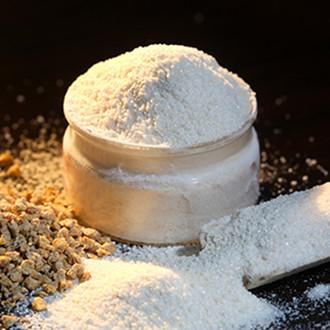
Methionine is an essential sulfur-containing amino acid (AA). It is denoted by the codon AUG and is one of the 20 standard amino acids that form proteins.
The term "essential" means it cannot be synthesized by humans and most animals; it must be obtained through diet or external supplementation. This fundamental characteristic is what drives its massive demand in the animal feed industry. Methionine exists in two isomeric forms:
-
L-Methionine: The natural form found in proteins and used in human pharmaceuticals and nutraceuticals.
-
DL-Methionine: A synthetic, racemic mixture (a combination of the D- and L- forms) that is biologically active in animals. This is the primary form used in animal feed additives due to its cost-effectiveness and efficacy.
For a foreign trade businesser, knowing this distinction is crucial for targeting the right market segments—DL-Methionine for feed-grade buyers and L-Methionine for pharma and food-grade clients.
2. What is Methionine Good For? (Applications & Benefits)
The value of methionine spans multiple billion-dollar industries. Here’s why your clients need it:
A. Animal Feed & Nutrition (Primary Market):
This is the largest application, consuming over 80% of global methionine production. It is the first limiting amino acid in poultry and swine feed.
-
Promotes Growth: Ensures optimal growth rates and feed conversion efficiency (FCR), reducing overall feed costs for farmers.
-
Impro Feathering: Crucial for healthy feather development in poultry.
-
Antioxidant Properties: Protects cells from damage and supports overall animal health.
-
Cost Savings: Allows formulators to reduce the crude protein content in feed by supplementing with synthetic methionine, leading to significant cost reductions.
B. Human Nutrition & Pharmaceuticals:
-
Dietary Supplements: Used for its antioxidant properties. It is a precursor to Cysteine and Glutathione, powerful antioxidants that protect the body from tissue damage and heavy metals.
-
Liver Health: Helps break down fats and can prevent liver damage in cases of acetaminophen (paracetamol) poisoning.
-
Precursor to SAMe: Methionine is metabolized into S-Adenosylmethionine (SAMe), a compound that supports brain function, liver health, and joint health.
C. Other Industrial Applications:
-
Cosmetics: Used in hair care products for its sulfur content, which strengthens hair.
-
Aquaculture: An essential component in fish feed.
3. What Foods Contain Methionine?
While your B2B clients are likely buying in bulk, understanding natural sources adds context. Methionine is abundant in protein-rich foods:
-
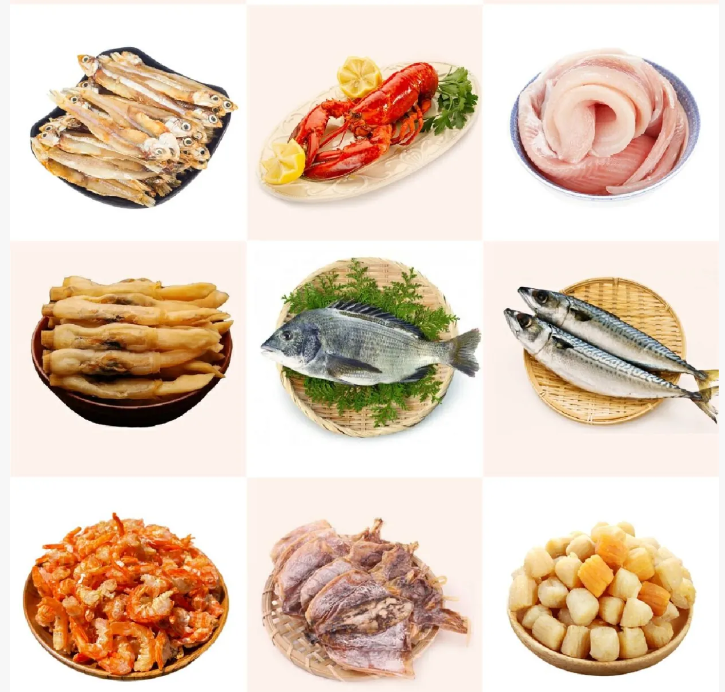
Animal Sources: Eggs, fish, chicken, turkey, beef, and dairy products (yogurt, cheese).
-
Plant Sources: Brazil nuts, soybeans, sesame seeds, lentils, and whole grains.
However, the methionine content in natural diets is often insufficient for intensive livestock farming, creating the massive demand for synthetic supplementation that you, as a trader, fulfill.
4. Is Methionine Polar or Nonpolar?
This is a technical but important question from quality control and R&D departments.
Methionine is classified as a NONPOLAR amino acid.
Despite containing a sulfur atom and a polar amino group, its side chain is a thioether (-CH₂-CH₂-S-CH₃), which is hydrophobic and does not readily form hydrogen bonds with water. This property classifies it with other nonpolar amino acids.
Why this matters for your clients:


