


Ethyl Maltol-The Complete Guide to the Potent Flavor Enhancer and Aromatizer
In the world of food chemistry and flavor formulation, few compounds offer the same level of "magic" as Ethyl Maltol. Often described as a "potentiator" or "flavor booster," this white, crystalline powder is the synthetic relative of Maltol (found in roasted malt, larch bark, and pine needles). However, Ethyl Maltol is 4 to 6 times stronger than its natural counterpart.
If you have ever bitten into a freshly baked strawberry tart, sipped a premium vanilla milkshake, or enjoyed a gourmet chocolate truffle, you have tasted Ethyl Maltol—even if you didn't know it. This article dives deep into the science, applications, and benefits of this essential ingredient.

What Is Ethyl Maltol?
At its core, Ethyl Maltol (C7H8O3) is an organic compound officially named *2-Ethyl-3-hydroxy-4H-pyran-4-one*.
-
Appearance: Fine, white to slightly yellowish crystalline powder.
-
Odor & Taste: At room temperature, it smells of sweet, caramelized fruit and cotton candy. When dissolved, it imparts a warm, jammy, "freshly baked" sweetness.
-
Solubility: It is sparingly soluble in cold water but highly soluble in alcohol, propylene glycol, and hot water.
-
Origin: While Maltol is found in nature (tree bark, roasted chicory), Ethyl Maltol does not occur naturally in significant quantities. It is synthesized through chemical processes (typically from maltol via ethylation), making it a high-purity, consistent product for industrial use.
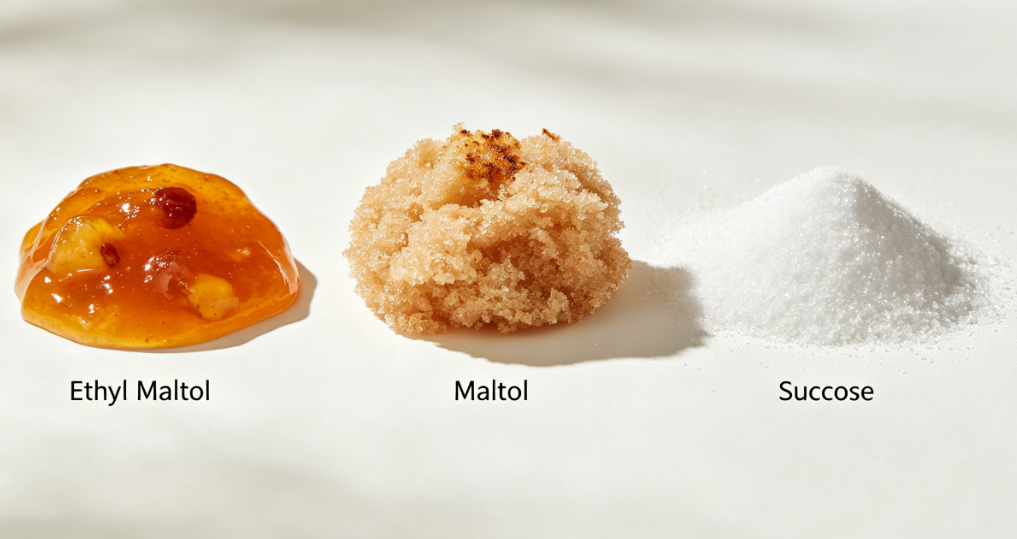
Ethyl Maltol vs. Maltol vs. Sugar
| Feature | Ethyl Maltol | Maltol | Sucrose (Table Sugar) |
|---|---|---|---|
| Sweetness Strength | 100-150x sweeter than sugar | 25-50x sweeter than sugar | Baseline |
| Flavor Profile | Fruity, jammy, caramel | Burnt sugar, cotton candy | Clean, flat sweetness |
| Functional Role | Enhances existing flavors | Flavor modifier | Caloric sweetener |
| Aftertaste | None (removes bitterness) | Mild | Lingering sweetness |
The Science & Key Properties (The "Why")
Understanding why chefs and food scientists use Ethyl Maltol requires looking at its chemical behavior.
1. The Flavor Bridge (Volatility)
Ethyl Maltol has a high vapor pressure. This means it evaporates quickly at room temperature, carrying aromatic molecules from the food to your nose (retronasal olfaction). It effectively "shortens the distance" between the food and your taste receptors.
2. Bitterness Masking
One of the most valuable traits of Ethyl Maltol is its ability to bind to bitterness receptors (TAS2Rs) on the tongue. By blocking these receptors, it reduces the perception of bitterness in:
-
Coffee extracts
-
Cacao (dark chocolate)
-
Plant-based proteins (soy/pea)
-
Pharmaceutical syrups
3. Synergy with Fats
Ethyl Maltol is lipophilic (fat-loving). When used in dairy or fatty systems (cream, butter, oil), it creates a "mouth-coating" effect that extends the perceived flavor duration.
4. The "Green Note" Reduction
In fruit formulations, Ethyl Maltol suppresses sharp, unripe "green" notes while boosting the ripe, cooked fruit esters (like ethyl butyrate for strawberry or linalool for citrus).
Top 7 Applications (Industry Use)
Ethyl Maltol is a workhorse across multiple billion-dollar industries.
1. Food & Beverage Industry (The Primary Use)
-
Bakery: Added to cake mixes and cookie dough to enhance the "baked" aroma. It makes boxed cakes smell homemade.
-
Confectionery: Used in hard candies, gummies, and marshmallows to create a "fluffy" sweetness without stickiness.
-
Chocolate & Cocoa: A secret weapon in premium chocolate. It reduces the natural astringency of cacao nibs and boosts the creamy vanilla notes.
-
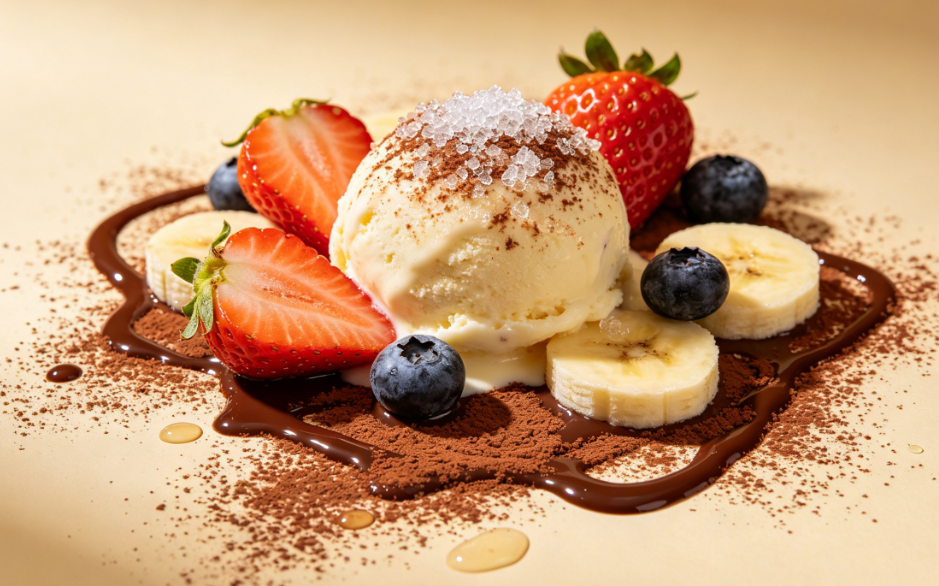
Dairy: Yogurts, ice creams, and milkshakes use Ethyl Maltol to amplify strawberry, vanilla, and caramel profiles.
2. E-Liquids & Vaping
In the vaping industry, Ethyl Maltol is known as "Cotton Candy" (TFA/TPA flavor).


