

Silybum Marianum : A Comprehensive Guide to Its Benefits, Applications, and Global Market
What is Silymarin (Milk Thistle Extract)?
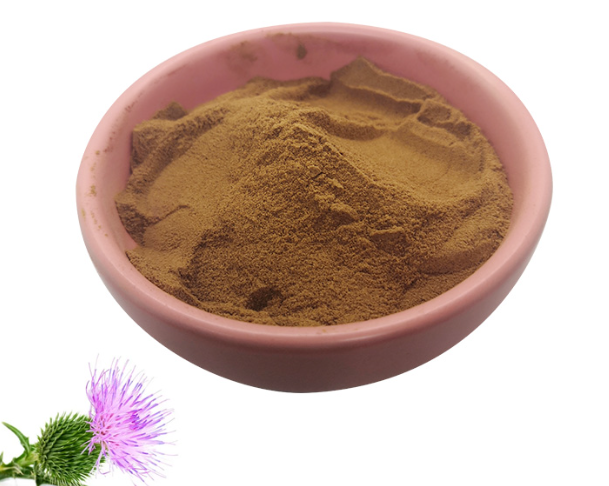
Silymarin is not a single molecule but a complex flavonolignan mixture extracted from the seeds of the milk thistle plant. Its most active and studied component is Silybin (also termed Silibinin), which constitutes approximately 50-70% of the Silymarin complex. Other constituents include Isosilybin, Silychristin, and Silydianin. High-quality commercial extracts are typically standardized to contain 70-80% Silymarin, ensuring consistent potency and efficacy. This golden-yellow powder is renowned for its exceptional ability to support liver health, but its benefits extend far beyond.
Key Benefits and Mechanisms of Action
The global demand for Silymarin is driven by its scientifically-backed, multi-targeted therapeutic actions:
-
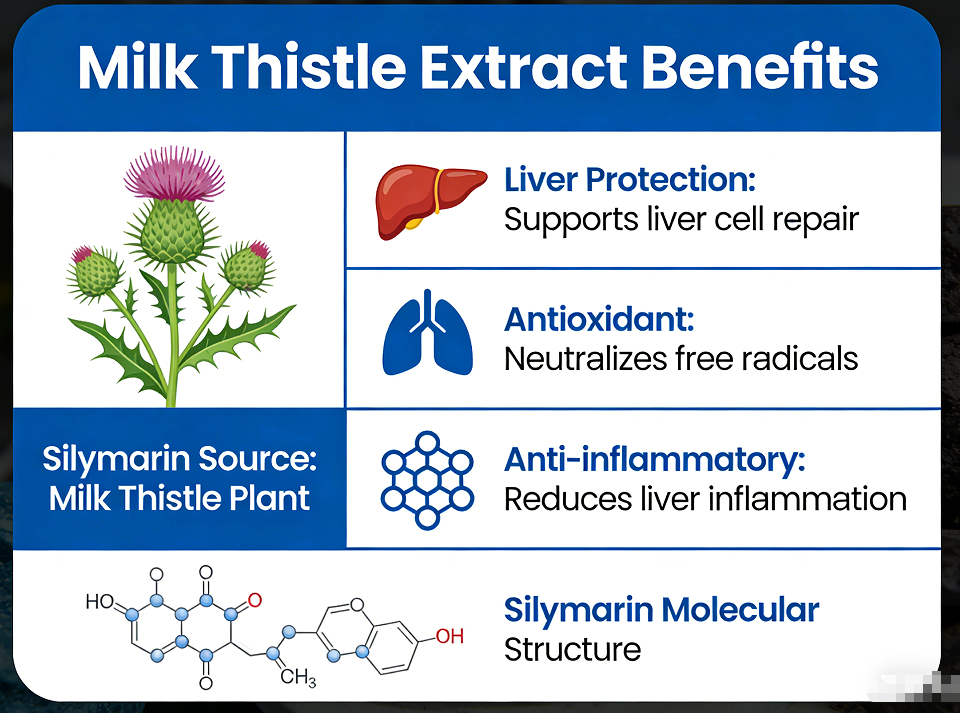
Potent Hepatoprotective and Liver Regeneration Agent: This is the core and most celebrated benefit. Silymarin works through a powerful multi-mechanistic approach:
-
Antioxidant Shield: It is a robust free radical scavenger, boosting levels of glutathione (the body's master antioxidant) in the liver by up to 35%.
-
Cell Membrane Stabilizer: It competitively inhibits toxin binding sites on liver cell membranes, preventing poisonous substances (e.g., from Amanita phalloides mushrooms, alcohol, pollutants) from penetrating and damaging hepatocytes.
-
Anti-fibrotic: It inhibits the activation of stellate cells, slowing the progression of liver fibrosis and cirrhosis.
-
Anti-inflammatory: It suppresses key inflammatory pathways, reducing liver inflammation.
-
Promoter of Protein Synthesis: It stimulates ribosomal RNA synthesis, actively promoting the regeneration of new, healthy liver cells.
-
-
Antioxidant and Anti-inflammatory Powerhouse: Beyond the liver, Silymarin's antioxidant activity protects cells throughout the body from oxidative stress, a key driver of aging and chronic diseases. Its systemic anti-inflammatory effects support conditions like osteoarthritis and metabolic syndrome.
-
Metabolic and Diabetic Support: Emerging research highlights Silymarin's role in improving insulin sensitivity, lowering blood sugar levels, and reducing lipid profiles (cholesterol, triglycerides). It is increasingly formulated into supplements for metabolic health.
-
Skin Health and Cosmetic Applications: Its antioxidant and anti-inflammatory properties translate excellently into skincare. Silymarin is used in creams and serums to protect against UV damage, reduce redness and acne, combat signs of aging, and improve overall skin tone and vitality.
-
Neuroprotective Potential: Studies suggest Silymarin may help protect nerve cells, showing promise in supporting brain health and potentially slowing the progression of neurodegenerative conditions like Alzheimer's and Parkinson's disease.
-
Diverse Application Markets
Silymarin's versatility allows it to penetrate multiple high-growth industries:
-
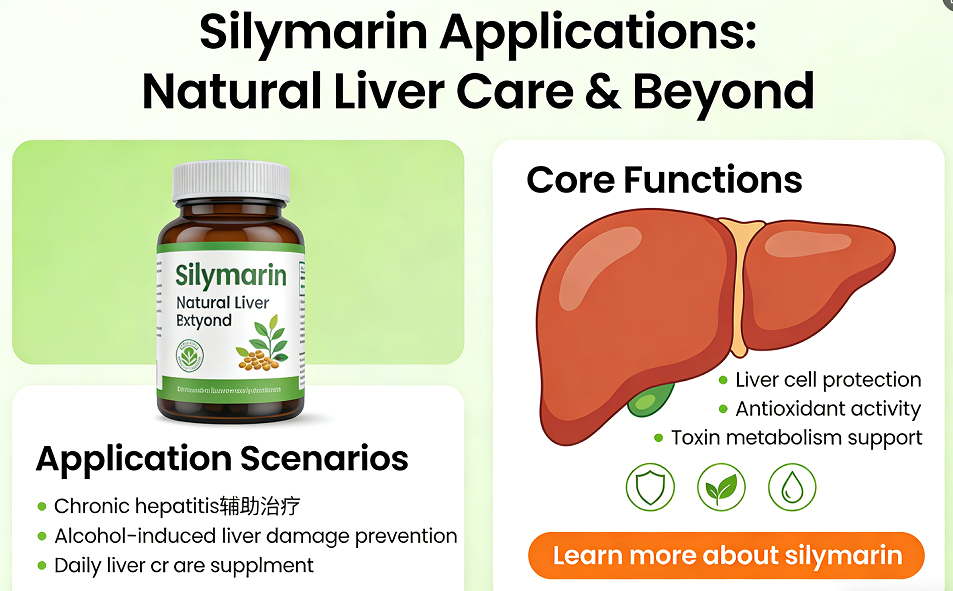
Dietary Supplements & Nutraceuticals: The largest application segment. It is formulated into:
-
Single-ingredient liver detox/support capsules and tablets.
-
Multi-ingredient formulas for overall wellness, hangover relief, metabolic support, and antioxidant blends.
-
Liquid tinctures and teas.
-
-
Pharmaceuticals: Used in prescription and OTC medicines for treating alcoholic liver disease, toxin-induced liver damage, and as an adjunct therapy in hepatitis and cirrhosis. Silybin-phosphatidylcholine complexes (e.g., Siliphos®) have enhanced bioavailability for clinical use.
-
Cosmetics & Personal Care: A rapidly growing market. Found in:
-
Anti-aging creams and serums.
-
Acne treatment products.
-
Sunscreen and after-sun lotions.
-
Sensitive skin care formulations.
-
-
Functional Foods and Beverages: Gradually being incorporated into health drinks, teas, and fortified food products targeting liver health and detoxification.
-
Global Market Outlook and Trends
The global Silymarin market is on a robust growth trajectory, projected to exceed USD 180 million by 2028, with a steady CAGR. Key drivers and trends include:
-
Rising Liver Health Concerns: Worldwide increases in NAFLD (Non-Alcoholic Fatty Liver Disease), fueled by obesity, poor diets, and diabetes, are creating massive demand. Alcohol consumption and environmental toxin exposure further propel the market.
-
Preventive Healthcare Boom: Consumers are proactively seeking natural, evidence-based supplements for wellness and disease prevention, moving beyond mere treatment.
-
The "Beauty-from-Within" and Cosmeceutical Wave: The convergence of nutrition and skincare is driving demand for oral and topical Silymarin for aesthetic benefits.
-
Scientific Validation: An expanding body of clinical research continues to validate new applications (e.g., metabolic, neurological), opening fresh market segments and strengthening consumer confidence.
-
Geographic Hotspots:
-
North America: The dominant market, led by the USA, with high consumer awareness and a mature supplement industry.
-
Europe: A major market with a strong tradition of herbal medicine (especially in Germany), supported by positive monographs from the European Medicines Agency (EMA).
-
Asia-Pacific: The fastest-growing region, driven by rising disposable incomes, growing health consciousness, and a high prevalence of liver diseases in countries like China and India.
-
Rest of World: Increasing penetration in Latin America, the Middle East, and Africa.
-
-
Conclusion
Silymarin (Milk Thistle Extract) stands out as a time-tested, science-backed botanical extract with a compelling value proposition. Its unparalleled hepatoprotective effects, coupled with broad-spectrum antioxidant, anti-inflammatory, and metabolic benefits, secure its position as a flagship ingredient in the global natural products industry. For exporters, manufacturers, and brands, understanding this product's depth, ensuring a supply of high-purity, standardized extract, and targeting the diverse application markets—from nutraceuticals to cosmeceuticals—represents a significant and growing business opportunity. Partnering with a reliable, GMP-certified supplier is crucial to capitalize on the sustained global demand for this powerful herbal ally.


