


Bacillus subtilis: The Probiotic Powerhouse for Gut Health and Beyond
1. What is Bacillus subtilis?
Bacillus subtilis is a Gram-positive, rod-shaped bacterium commonly found in soil and the gastrointestinal tract of humans and animals. It is classified as a spore-forming probiotic. This key characteristic means it can produce endospores—tough, dormant structures that allow it to survive harsh environments (like high temperatures, stomach acid, and bile salts) that typically destroy other probiotic strains. Once it reaches the more favorable conditions of the intestines, the spore can germinate into an active, beneficial bacterium. This resilience makes it exceptionally stable during manufacturing, shelf storage, and digestion, ensuring it delivers live organisms to the gut.

2. Efficacy and Applications
The benefits of Bacillus subtilis are wide-ranging, supported by a growing body of research:
-
Gut Health & Digestive Support: It is a cornerstone for digestive wellness. It competes with harmful pathogens for resources and adhesion sites, helps restore microbial balance after antibiotic use, and alleviates symptoms of diarrhea, bloating, and irregularity.
-
Immune System Modulation: A significant portion of the immune system resides in the gut. Bacillus subtilis enhances immune function by stimulating the production of secretory IgA (an immune antibody) and modulating the activity of immune cells, helping the body mount a more effective defense against pathogens.
-
Production of Beneficial Compounds: This bacterium actively produces digestive enzymes (e.g., proteases, amylases, lipases) that aid in breaking down food. It also synthesizes antimicrobial peptides (like subtilisin) that directly inhibit the growth of harmful bacteria, fungi, and even viruses.
-
Animal Feed Additive: In agriculture, it's widely used as a growth promoter and health enhancer for livestock, poultry, and aquaculture. It improves feed conversion ratios, boosts immunity, and reduces the need for antibiotics.
-
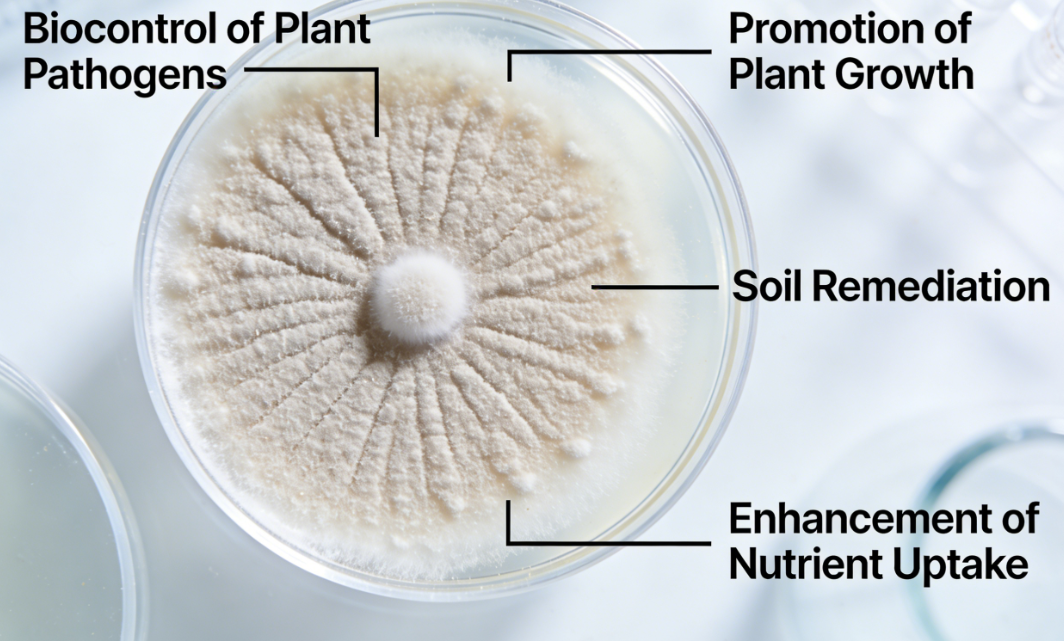
Agricultural Biocontrol Agent: As a natural alternative to chemical pesticides, Bacillus subtilis formulations are used to protect crops from fungal and bacterial diseases by colonizing plant roots and outcompeting pathogens.
-
Skin Health: Emerging applications include topical formulations for skincare, leveraging its antimicrobial and anti-inflammatory properties to address conditions like acne and eczema.
-
3. Who Should Consider Bacillus subtilis? (Target Audience)
-
Individuals with Digestive Issues: People experiencing occasional diarrhea, constipation, bloating, or general digestive discomfort.
-
Those on Antibiotic Courses: To help protect the gut microbiome and prevent antibiotic-associated diarrhea.
-
Frequent Travelers: For supporting gut health and immune function while facing new foods and environments ("traveler's diarrhea").
-
Immunocompromised or Often-Ill Individuals: Those seeking to strengthen their foundational immune response.
-
Health-Conscious Consumers & Fitness Enthusiasts: People focused on overall wellness, nutrient absorption, and optimal bodily function.
-
Elderly Populations: As gut microbiota diversity often declines with age, supporting it with stable probiotics is beneficial.
-
Agricultural & Livestock Producers: Seeking sustainable, antibiotic-free solutions for animal health and crop protection.
4. Popularity and Hot-Selling Regions
The global market for Bacillus subtilis is expanding rapidly, driven by rising health consciousness and demand for natural solutions.


