


Say goodbye to "sweet internal friction": A new choice for the food industry – agave syrup and powdered sugar!
2025-12-26
A cup of milk tea in the morning to wake you up, a slice of cake in the afternoon to replenish your energy, and sugary drinks to relieve fatigue during overtime work—sugar has permeated every moment of modern life, becoming a major source of pleasure.
But behind this "sweetness" lie unavoidable health concerns: drastic fluctuations in blood sugar; difficulty resisting temptation during weight loss; and negative impacts on gut health. The "hidden sugars" listed in ingredients also cause considerable anxiety.
We crave the instant pleasure of sweetness while fearing its underlying health costs. This "love-hate" dilemma is becoming a collective problem for modern people. As "sugar control" and "precise health" become new consumer trends, low-GI foods are moving from a niche market to the mainstream. Niche but highly promising natural sugar substitutes like agave syrup and agave sugar powder offer a solution to this dilemma, providing a better option for a healthy lifestyle of "reducing sugar without eliminating sweetness."
But behind this "sweetness" lie unavoidable health concerns: drastic fluctuations in blood sugar; difficulty resisting temptation during weight loss; and negative impacts on gut health. The "hidden sugars" listed in ingredients also cause considerable anxiety.
We crave the instant pleasure of sweetness while fearing its underlying health costs. This "love-hate" dilemma is becoming a collective problem for modern people. As "sugar control" and "precise health" become new consumer trends, low-GI foods are moving from a niche market to the mainstream. Niche but highly promising natural sugar substitutes like agave syrup and agave sugar powder offer a solution to this dilemma, providing a better option for a healthy lifestyle of "reducing sugar without eliminating sweetness."

1. The origin of agave
The mention of agave conjures images of tequila and the unique culture of Central America. Agave is a large, evergreen herb primarily distributed in the arid and semi-arid regions of the Americas. Mexico boasts the richest biodiversity in this genus, with over 200 species. Agave is highly adaptable, drought-tolerant, and thrives in poor soil, making it an important part of the local ecosystem and culture.
Agave has a long maturation period, typically 5-12 years, during which it accumulates sugars and other nutrients in its tubers. At harvest, workers remove the leaves and dig out the agave berries, which resemble giant pineapples and can weigh 60-90 kilograms. The juice of the berries is sweet and flavorful and can be eaten directly.

2. Agave syrup/powdered sugar
Agave syrup is made from agave rhizomes through grinding, extraction, evaporation, and filtration. Its main component is fructose (85%–90%), and it also contains small amounts of glucose, dietary fiber, and various minerals, resulting in a pure and unadulterated flavor.
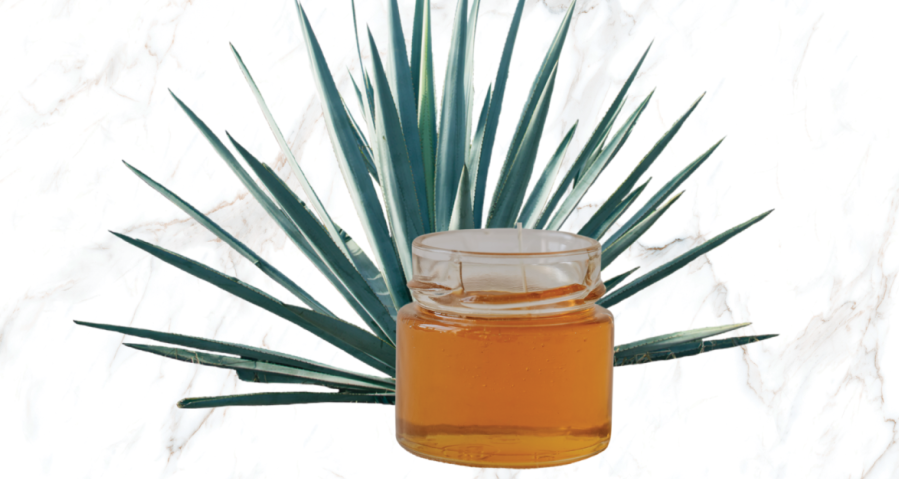
To adapt to diverse scenarios in food industrial production and home use, concentrated agave syrup can be further processed into agave powder through drying and homogenization. It is white in appearance, with a clean, unblemished sweetness. It not only fully retains the natural flavor and low-GI properties of agave, but also has a longer shelf life due to reduced moisture content. It is easier to store in a dry environment below 25°C and with humidity below 60%, and its solubility is also superior.
3. Advantages of Agave
The competitiveness of tequila-based sugar substitutes lies in three core dimensions:
① Superior Sweetness and Calories
Its sweetness is about 1.5 times that of sucrose, and its flavor is even more pronounced at low temperatures. It contains only 300-310 calories per 100g, reducing overall calorie intake due to the smaller serving size.
② Low Glycemic Index (LGI)
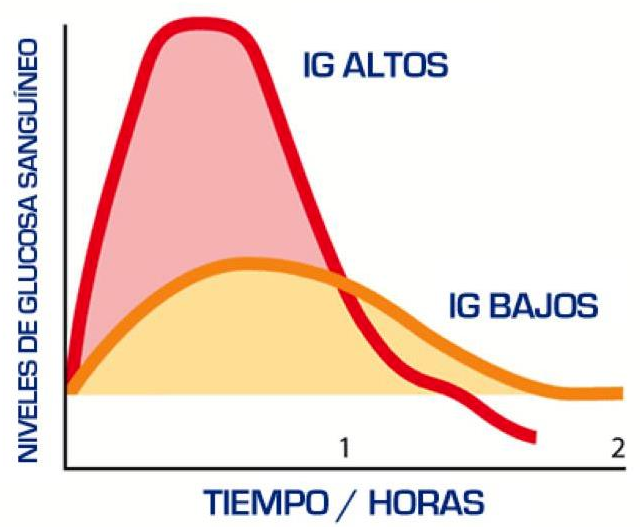
With a glycemic index of less than 21, far lower than sucrose (65) and honey (61), it is a slow-rising food, avoiding drastic blood sugar fluctuations and making it suitable for people managing blood sugar and those seeking weight loss.
Its sweetness is about 1.5 times that of sucrose, and its flavor is even more pronounced at low temperatures. It contains only 300-310 calories per 100g, reducing overall calorie intake due to the smaller serving size.
② Low Glycemic Index (LGI)
With a glycemic index of less than 21, far lower than sucrose (65) and honey (61), it is a slow-rising food, avoiding drastic blood sugar fluctuations and making it suitable for people managing blood sugar and those seeking weight loss.
③ Strong application adaptability
Agave syrup has a viscosity similar to honey and is easily soluble in water, while agave powder has excellent solubility. Both can maintain their flavor whether mixed at room temperature or prepared at low temperature.
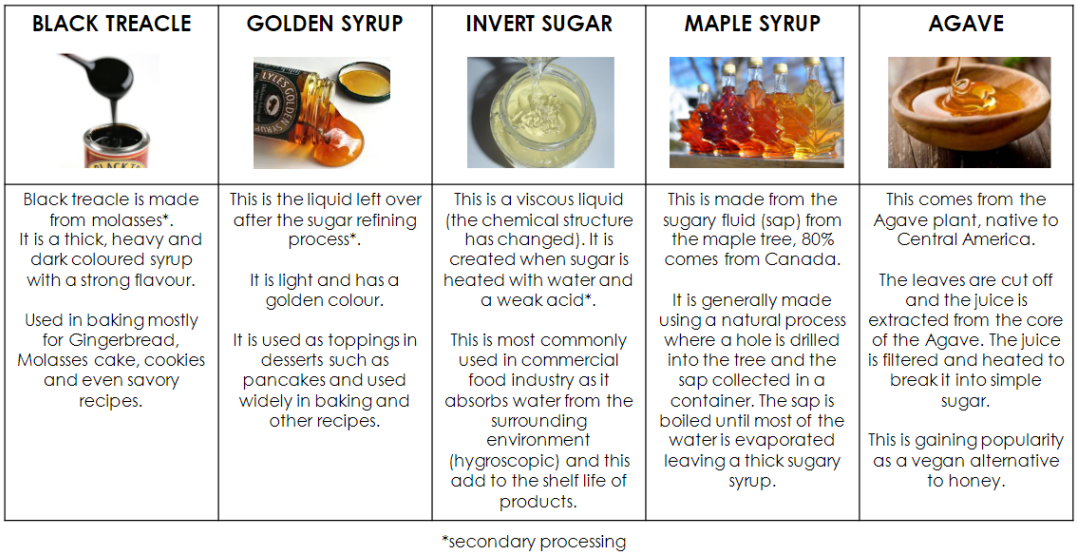
Agave syrup/powdered sugar offers unique advantages as a substitute for traditional sweeteners, other natural sweeteners, and artificial sweeteners. Below is a summary of the differences between agave syrup and other popular syrups:
1) Honey: Agave syrup is about 1.5 times sweeter than honey, but has a more neutral flavor, making it suitable for baking and cold drinks.
2) Maple Syrup: Dark agave syrup can replace maple syrup, providing a similar caramel flavor.
3) Coconut Syrup: Compared to agave syrup, coconut sugar has a higher mineral content but is less sweet; the amount used needs to be adjusted proportionally.
4) Brown Rice Syrup: Agave syrup can be used as a substitute for brown rice syrup, especially in recipes that require high sweetness.
5) Erythritol: Low in calories and sugar-free, it is suitable for sugar-free beverages and health foods, but lacks the natural flavor of agave syrup.
1) Honey: Agave syrup is about 1.5 times sweeter than honey, but has a more neutral flavor, making it suitable for baking and cold drinks.
2) Maple Syrup: Dark agave syrup can replace maple syrup, providing a similar caramel flavor.
3) Coconut Syrup: Compared to agave syrup, coconut sugar has a higher mineral content but is less sweet; the amount used needs to be adjusted proportionally.
4) Brown Rice Syrup: Agave syrup can be used as a substitute for brown rice syrup, especially in recipes that require high sweetness.
5) Erythritol: Low in calories and sugar-free, it is suitable for sugar-free beverages and health foods, but lacks the natural flavor of agave syrup.
IV. Agave Regulations
Previous News: How do B vitamins protect your health?
Next News: Krill Oil-The Tiny Antarctic Creature Powering Your Optimal Health


