


Revitalize your joints: Chondroitin sulfate helps you walk with ease.
What is Chondroitin Sulfate?
Chondroitin Sulfate is a naturally occurring structural component of cartilage, the connective tissue that cushions your joints. It is a complex carbohydrate, specifically a glycosaminoglycan (GAG), that helps cartilage retain water, giving it its shock-absorbing properties. In the supplement world, it is most commonly sourced from animal cartilage, such as from cows (bovine) or sharks.
For businesses, this means dealing with a high-purity, processed bioactive compound that is in high demand for its therapeutic benefits. The quality, sourcing, and certification of Chondroitin Sulfate are critical talking points in international trade.

What is Chondroitin Sulfate Used For?
The primary and most well-researched use of Chondroitin Sulfate is for supporting joint health. It's a cornerstone of dietary supplements aimed at managing conditions like osteoarthritis. Here’s a breakdown of its main applications:
-
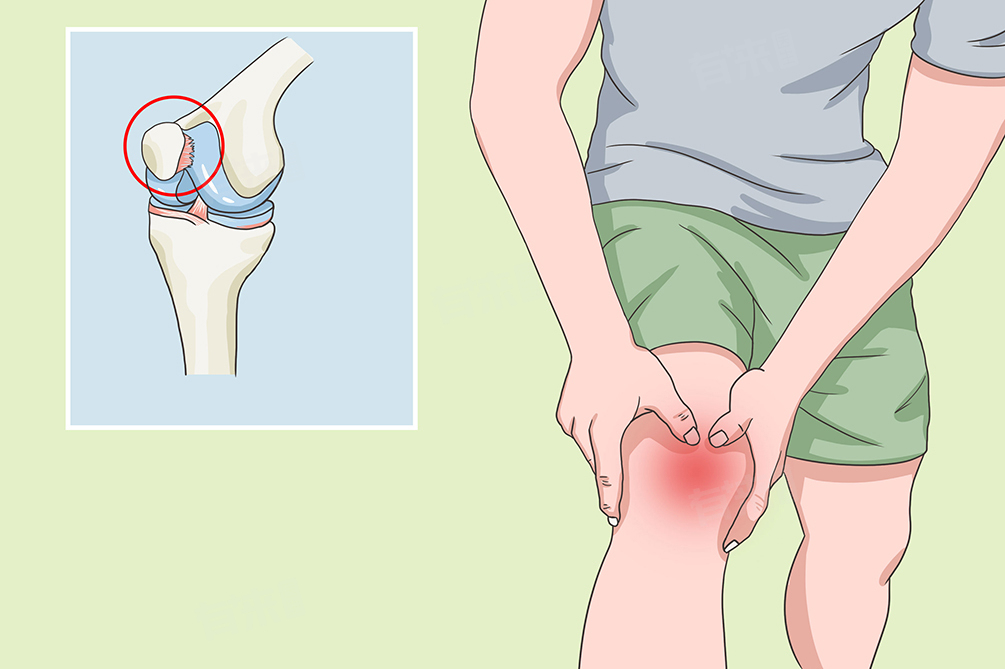
Joint Pain and Osteoarthritis: It is famously used, often in combination with Glucosamine, to reduce joint pain and stiffness, improve mobility, and slow the progression of osteoarthritis.
-
Bone Health: Some studies suggest it may play a role in bone metabolism and health.
-
-
Eye Health: It is also a component in some eye drops used to treat dry eyes and is even used in certain cataract surgeries.
-

-
Skin Health: Emerging research points to potential benefits for skin wound healing and anti-aging, thanks to its role in maintaining skin moisture and elasticity.
For international buyers, the versatility of Chondroitin Sulfate across the pharmaceutical, nutraceutical, and even cosmetic industries makes it a highly versatile and valuable product.
Does Chondroitin Sulfate Raise Blood Pressure?
This is a crucial question for both consumers and regulatory compliance. Several years ago, a study raised concerns about a potential link between Chondroitin Sulfate and increased blood pressure. However, the current scientific consensus, supported by more recent and extensive research, has largely debunked this claim.
Most major clinical trials and reviews by health authorities have found that high-quality, purified Chondroitin Sulfate does not cause a rise in blood pressure. In fact, some studies suggest it might have a mild beneficial effect on cardiovascular health due to its anti-inflammatory properties. As a supplier, it's vital to provide buyers with this updated information and assure them of your product's purity and safety, backed by relevant Certificates of Analysis (CoAs).
How Much Chondroitin Sulfate Should I Take?
Dosage is a top concern for end-users, and providing clear guidance adds value to your product. The typical daily dosage for joint health support, as used in most clinical studies, ranges from 800 to 1,200 milligrams.
This is often taken in divided doses (e.g., 400 mg three times a day or 600 mg twice a day). It's important to note that:
-
It may take several weeks or even months of consistent use to feel the full effects.
-
Consumers should always follow the dosage on the product label and consult with a healthcare professional before starting any new supplement regimen.
For businesses, offering Chondroitin Sulfate in various dosages (e.g., capsules, powder, and tablets) can cater to different market preferences and manufacturing needs.
What Foods Have Chondroitin Sulfate?
While Chondroitin Sulfate is available as a concentrated supplement, it can also be found naturally in certain foods. The most common dietary sources are animal-based cartilaginous tissues. These include:
-
Animal Cartilage: Connective tissues in cuts of meat, such as on bones (e.g., oxtail, chicken wings with cartilage, and ribs).
-
Bone Broth: Simmering animal bones and connective tissue for long periods releases Chondroitin and other compounds into the broth.
-
Seafood: Shark fin and fish cartilage are particularly rich sources.
-