


Quercetin: Nature's King of Antioxidants
1. What is Quercetin?
Let's start with the basics. Quercetin is a type of flavonoid, a diverse group of phytonutrients (plant chemicals) found in almost all fruits, vegetables, and grains. Flavonoids are responsible for the vibrant colors in many plants and are celebrated for their antioxidant effects.
Specifically, quercetin belongs to a subclass called flavonols. It's one of the most common and well-researched flavonoids in the human diet. In plants, it acts as a natural defense against environmental stressors, and when we consume it, we harness some of those protective benefits.
Think of it as a natural shield for your cells, helping to combat damage from unstable molecules called free radicals.
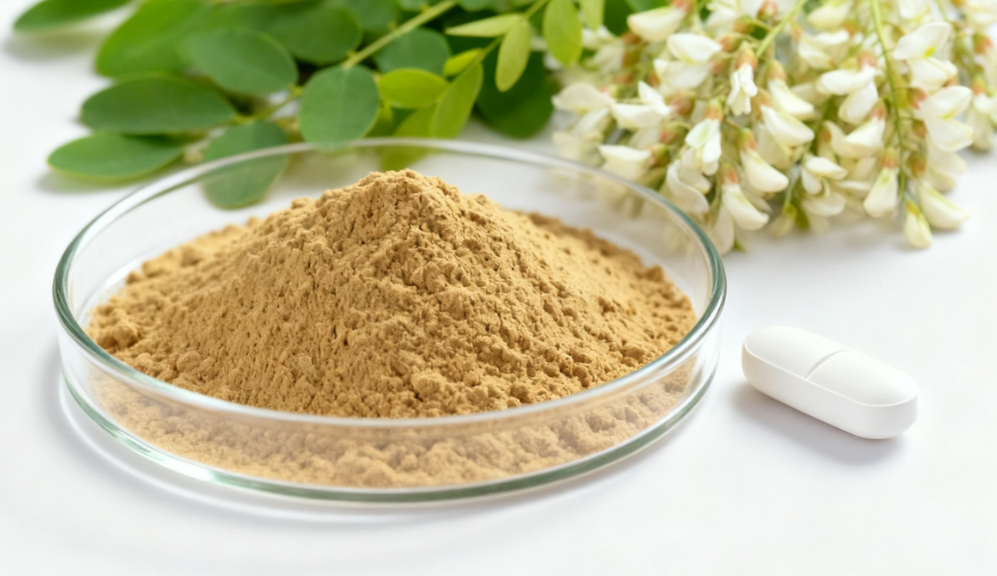
2. What is Quercetin Good For? (The Science-Backed Benefits)
The interest in quercetin isn't just hype; it's backed by a growing body of scientific research. Here are some of the key potential benefits:
-
Powerful Antioxidant and Anti-inflammatory Effects: This is quercetin's primary claim to fame. By neutralizing free radicals, it helps reduce oxidative stress, a key driver of aging and chronic diseases. Its anti-inflammatory properties can help calm chronic inflammation in the body.
-
Immune System Support: Quercetin is known for its potential immunomodulatory effects. Some studies suggest it may help regulate the release of histamine, making it a popular natural supplement for those with allergies. Its antioxidant properties also support the overall health of immune cells.
-
Heart Health: Research indicates that quercetin may support cardiovascular health by helping to lower blood pressure and reduce "bad" LDL cholesterol levels. Its anti-inflammatory effects also contribute to healthier blood vessels.
-
Exercise Performance and Recovery: Athletes and fitness enthusiasts often use quercetin for its potential to enhance mitochondrial biogenesis (the creation of new energy centers in cells) and reduce exercise-induced inflammation, potentially improving endurance and speeding up recovery.
-
Brain Health: By fighting oxidative stress and inflammation, quercetin may help protect brain cells from damage, potentially lowering the risk of neurodegenerative diseases like Alzheimer's.
It's important to note that while the research is promising, many studies are ongoing or have been conducted on animals or in laboratory settings. Always consult with a healthcare professional before starting any new supplement regimen.
3. What Foods Are High in Quercetin?
The best way to incorporate any nutrient is through a balanced diet. Fortunately, quercetin is found in many delicious and common foods. Here are some of the top sources:
-
Capers: Surprisingly, capers are the richest known dietary source.
-
Onions: Especially red onions and the outer layers.
-
Apples: Remember the saying? "An apple a day..." The skin is particularly rich in quercetin.
-
Berries: All types, including blueberries, cranberries, and lingonberries.
-
Citrus Fruits: Oranges, lemons, and grapefruit.
-
Dark Cherries and Plums:
-
Cruciferous Vegetables: Broccoli, kale, and Brussels sprouts.
-
Green Tea: A great beverage source.
-
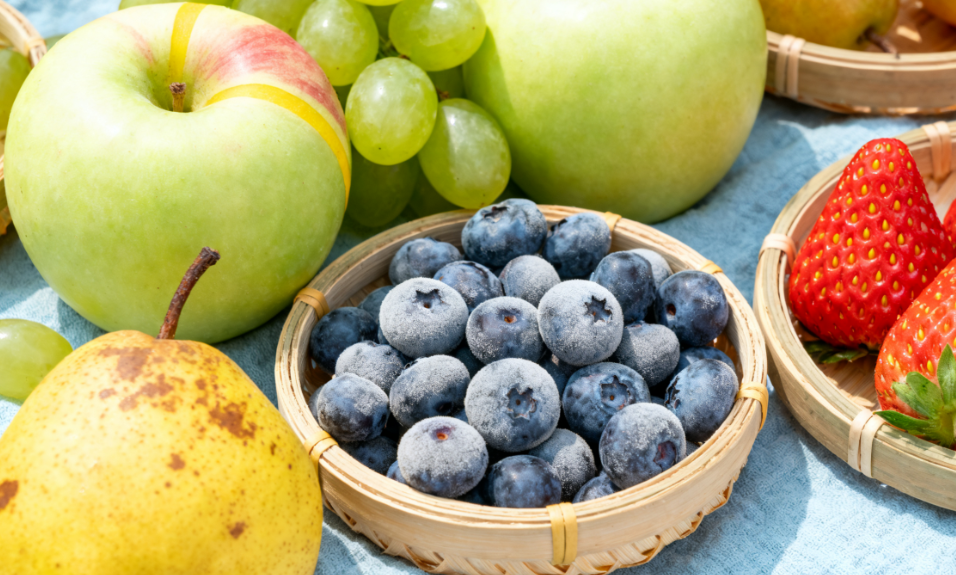
Pro Tip: Since quercetin is a pigment, it's often most concentrated in the skins and outer layers of fruits and vegetables.
4. Who Should Not Take Quercetin?
While generally considered safe for most people in food amounts, quercetin supplements require caution for certain groups. You should consult your doctor before taking quercetin if you:


