






Azelaic acid
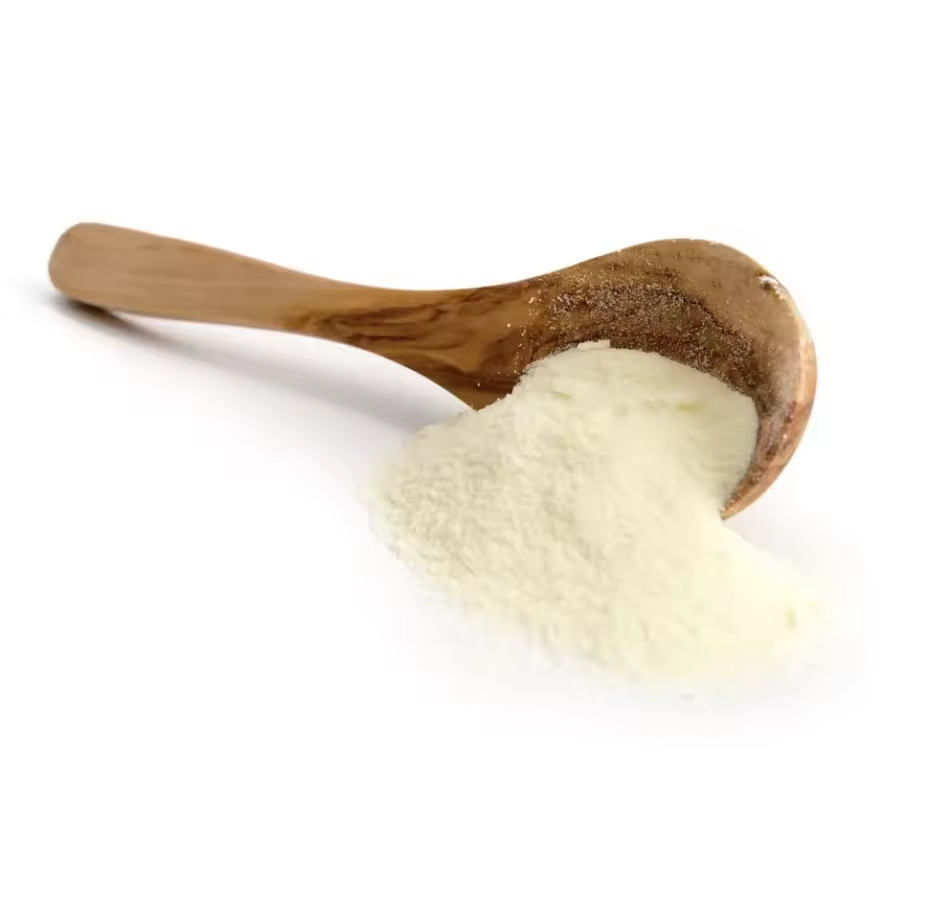
Azelaic acid is a natural organic acid with the chemical formula C9H16O4. It is a colorless crystalline solid, soluble in water and organic solvents. Azelaic acid is commonly used as an ingredient in skin care products
C005
Quantity


1. Anti-acne effect: Azelaic acid is an effective anti-acne ingredient that can inhibit the growth of acne-causing bacteria and reduce the number and severity of acne lesions.
2. Antioxidant effect: Azelaic acid has antioxidant effect, which can neutralize free radicals, reduce the damage of oxidative stress to the skin, and help prevent skin aging and skin problems.
3. Anti-inflammatory effect: Azelaic acid can inhibit inflammatory reactions and reduce inflammatory symptoms such as skin redness, itching, and stinging. It is suitable for treating sensitive skin and inflammatory skin diseases.
4. Regulate pigmentation: Azelaic acid can inhibit the production of melanin, reduce the formation of pigmentation and spots, and has certain effects on treating pigment problems such as freckles and chloasma.
2. Antioxidant effect: Azelaic acid has antioxidant effect, which can neutralize free radicals, reduce the damage of oxidative stress to the skin, and help prevent skin aging and skin problems.
3. Anti-inflammatory effect: Azelaic acid can inhibit inflammatory reactions and reduce inflammatory symptoms such as skin redness, itching, and stinging. It is suitable for treating sensitive skin and inflammatory skin diseases.
4. Regulate pigmentation: Azelaic acid can inhibit the production of melanin, reduce the formation of pigmentation and spots, and has certain effects on treating pigment problems such as freckles and chloasma.

1. Coatings and Resins: Azelaic acid is widely used in the manufacture of coatings and resins to improve the adhesion, flexibility and durability of coatings.
2. Health products: Azelaic acid can also be used as an ingredient in skin and hair care products, with emollient, softening and moisturizing effects.
3. Chemical intermediates: Azelaic acid can also be used as an intermediate in the synthesis of other compounds, such as polymers, dyes and perfumes.