


Serrapeptase - A Natural Therapy to Say Goodbye to Chronic Pain and Stubborn Inflammation
What is Serrapeptase? The "Silk Worm" Enzyme
Let's start with the fundamentals. Serrapeptase (also known as Serratiopeptidase) is a proteolytic enzyme, meaning it breaks down proteins into amino acids. Its origin is what makes it so fascinating.
It was originally discovered in the silkworm intestine. The silkworm produces this enzyme to dissolve its tough, protein-based cocoon when it's time to emerge as a moth. This powerful ability to dissolve non-living tissue without harming the living host is the key to its therapeutic applications for humans.
Today, Serrapeptase is not derived from silkworms for commercial production. It is produced through fermentation of the *Serratia E-15* bacteria, making it suitable for vegetarians and vegans. It is widely used in Europe and Asia as a natural alternative to NSAIDs (Non-Steroidal Anti-Inflammatory Drugs) like ibuprofen.
What is Serrapeptase Good For? Top Evidence-Based Uses
Serrapeptase's primary mechanism is its ability to break down dead or damaged tissue, fibrin (a protein involved in blood clotting and scar tissue), and inflammatory byproducts. This action leads to a wide range of health benefits.
-
Powerful Anti-Inflammatory Action: This is its most well-known use. Serrapeptase helps reduce swelling and inflammation by breaking down compounds that cause inflammation in the body. It is particularly popular for conditions like arthritis, sinusitis, and sports injuries.
-
Pain Relief: By reducing inflammation, Serrapeptase effectively alleviates pain. Many users report significant relief from chronic back pain, joint pain, and post-operative pain.
-
Sinus and Respiratory Health: Serrapeptase is excellent for thinning mucus and reducing inflammation in the nasal passages and bronchial tubes. This makes it a popular choice for combating bronchitis, chronic sinusitis, and other respiratory ailments.
-
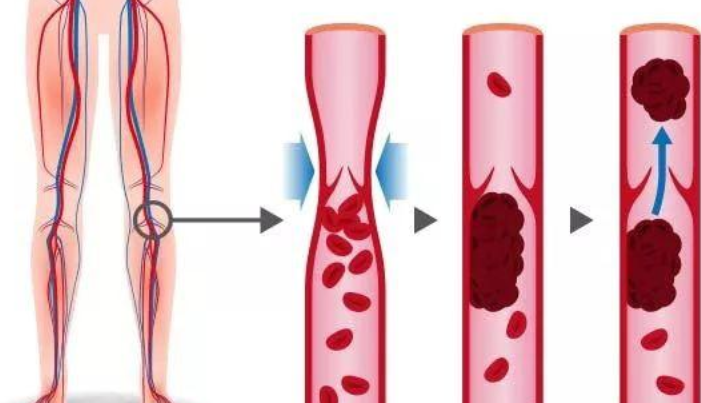
Cardiovascular Support: Serrapeptase may help support heart health by breaking down arterial plaque (which is made of fibrin, cholesterol, and other substances) and reducing arterial plaque buildup. This leads us to our next key question.
-
Reduction of Scar Tissue and Cysts: Due to its fibrin-dissolving properties, it can help reduce the visibility of scar tissue, internal adhesions, and even non-cancerous breast cysts.
-
Does Serrapeptase Lower Blood Pressure?
This is a critical question for many. The answer is indirectly, yes, it can contribute to healthier blood pressure.
Serrapeptase is not a direct vasodilator (a substance that widens blood vessels). Instead, it supports cardiovascular health in ways that can lead to lower blood pressure:
-
Plaque Reduction: As mentioned, Serrapeptase can help break down the fibrin that holds arterial plaque together. When plaque buildup is reduced, arteries become less rigid and more flexible, improving blood flow and reducing pressure.
-
Reduced Inflammation: Chronic inflammation is a known contributor to hypertension. By systemically reducing inflammation, Serrapeptase can help address one of the root causes of high blood pressure.
Important Note: If you have high blood pressure, you should not stop taking your prescribed medication. While Serrapeptase can be a beneficial supplement, you must consult with your doctor before using it as part of your health regimen.


