


Nobiletin: Multidimensional value and market application of natural citrus flavonoids
2025-03-05
1.What is nobiletin?
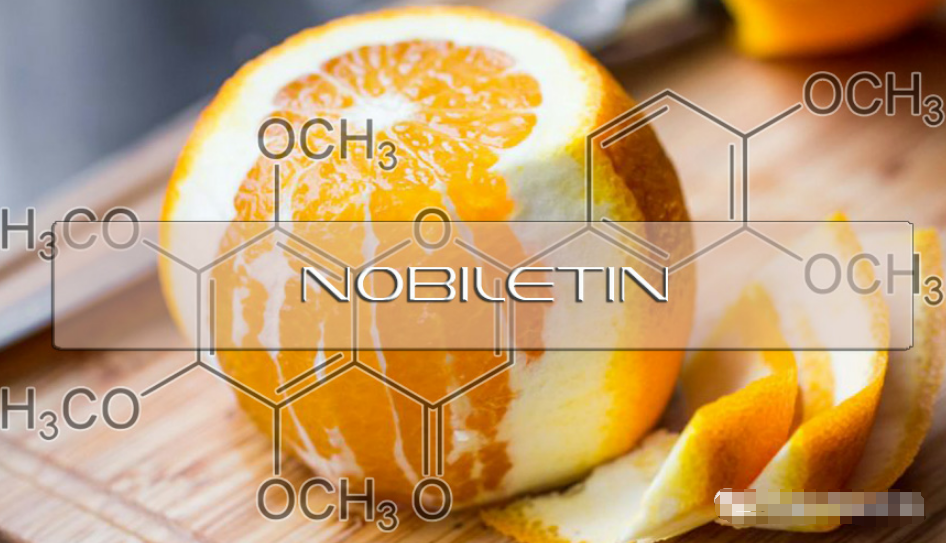
Nobiletin is a polymethoxyflavonoid compound with the chemical formula C₂₁H₂₂O₈, molecular weight 402.39, and CAS number 478-01-3. It is mainly found in the peel of citrus fruits, especially oranges, sour oranges, and mandarin oranges. Nobiletin has attracted much attention in the fields of food, medicine, and health products due to its unique chemical structure and biological activity.
Its aliases include nobiletin, nobiletin, nobiletin, etc. It is a white or colorless crystal at room temperature, slightly soluble in water, but soluble in organic solvents such as DMSO and ethanol.
Its aliases include nobiletin, nobiletin, nobiletin, etc. It is a white or colorless crystal at room temperature, slightly soluble in water, but soluble in organic solvents such as DMSO and ethanol.
2.What fruit contains nobiletin?
Nobiletin is mainly derived from the peels, stems and leaves of citrus plants, including:
Nobiletin is mainly derived from the peels, stems and leaves of citrus plants, including:
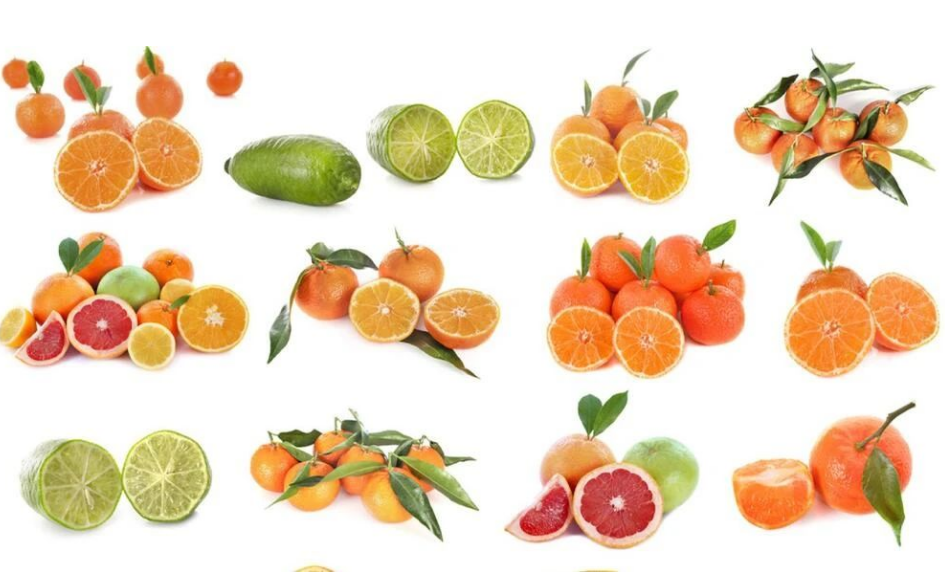
Citrus nobilis: high content in peel.
Citrus aurantium: young fruit and peel are rich in nobiletin.
Citrus reticulata: dried tangerine peel (dried peel) is one of its main sources.
Citrus aurantium L.: dried young fruit also contains this ingredient.
The peels of these fruits can be extracted to obtain nobiletin concentrate, which is often used in functional foods or pharmaceutical raw materials.
3.What is nobiletin good for?
Nobiletin has a wide range of biological activities, and its core value is reflected in the following aspects:
Anti-inflammatory and anti-cancer: It reduces inflammatory response and inhibits cancer cell metastasis by inhibiting the activity of inflammatory factors (such as TNF-α) and tumor invasion-related enzymes (such as MMPs).
Neuroprotection: It improves memory function and may delay the progression of neurodegenerative diseases (such as Alzheimer's disease) by regulating RORs receptors or reducing oxidative stress.
Metabolic regulation: It reduces cholesterol levels, improves non-alcoholic fatty liver disease, and promotes carbohydrate metabolism.
Antioxidant and anti-aging: It reduces the generation of reactive oxygen species (ROS) and protects cells from oxidative damage.
Antibacterial and antiviral: It has an inhibitory effect on certain bacteria and viruses (such as enterovirus).
In addition, Nobiletin is used in anti-aging formulations in cosmetics and as a natural preservative in the food industry.
Anti-inflammatory and anti-cancer: It reduces inflammatory response and inhibits cancer cell metastasis by inhibiting the activity of inflammatory factors (such as TNF-α) and tumor invasion-related enzymes (such as MMPs).
Neuroprotection: It improves memory function and may delay the progression of neurodegenerative diseases (such as Alzheimer's disease) by regulating RORs receptors or reducing oxidative stress.
Metabolic regulation: It reduces cholesterol levels, improves non-alcoholic fatty liver disease, and promotes carbohydrate metabolism.
Antioxidant and anti-aging: It reduces the generation of reactive oxygen species (ROS) and protects cells from oxidative damage.
Antibacterial and antiviral: It has an inhibitory effect on certain bacteria and viruses (such as enterovirus).
In addition, Nobiletin is used in anti-aging formulations in cosmetics and as a natural preservative in the food industry.

4.Is nobiletin the same as valerian root?
Nobiletin and valerian root are two completely different substances:
Source: Nobiletin comes from citrus peels, while valerian root is a plant ingredient extracted from the root of valerian (Valeriana officinalis).
Ingredients and uses: Nobiletin belongs to the flavonoids, focusing on anti-inflammatory and metabolic regulation; valerian root contains volatile oils and alkaloids, mainly used for calming the nerves and relieving anxiety.
The two are unrelated in chemical structure, mechanism of action and application areas.
Source: Nobiletin comes from citrus peels, while valerian root is a plant ingredient extracted from the root of valerian (Valeriana officinalis).
Ingredients and uses: Nobiletin belongs to the flavonoids, focusing on anti-inflammatory and metabolic regulation; valerian root contains volatile oils and alkaloids, mainly used for calming the nerves and relieving anxiety.
The two are unrelated in chemical structure, mechanism of action and application areas.
5.Where to buy nobiletin?
Xi'an Rui Zelin Bio Tech Inc. Was Established In 2004 And Has More Than 17 Years Of Experience In Import And Export Of Foreign Trade. It Is a Large-Scale Gold Supplier Integrating Production And Sales. We Also Provide Api,Vitamins,Cosmetic Ingredients Manufacturing Service.

We have a strong professional R&D team, excellent talents and well-equipped laboratories for quality control.
All products are in accordance with international standards, with more than five years of experience in technical inspection personnel, with advanced testing equipment, with their own independent, fully equipped testing laboratory, and strive to provide customers with high quality products and services.
At present, the hot product Nobiletinis widely used in medicine and other aspects.
Friends who need to buy or are interested can enter our work email through the international website or email info@ruizelinherb.com. We will reply to you as soon as possible; In addition, you can also come to the offline field visit. Our company is located at Room 2413, Building C1, Haijing International, Economic Development Zone, Fengcheng 2nd Road, Xi 'an, Shaanxi Province.
Conclusion:
As a natural active ingredient of citrus plants, nobiletin has shown broad application prospects in the health industry. Its multiple functions and safety make it an ideal raw material for the development of functional foods, medicines and cosmetics.
As a natural active ingredient of citrus plants, nobiletin has shown broad application prospects in the health industry. Its multiple functions and safety make it an ideal raw material for the development of functional foods, medicines and cosmetics.
Previous News: Salicylic Acid: The Multitasking Powerhouse for Skin and Beyond
Next News: Ammonium Glyphosate: The Science-Backed Herbicide Transforming Weed Management


