


Understanding Ceftriaxone Sodium – A Key Weapon in Modern Medicine
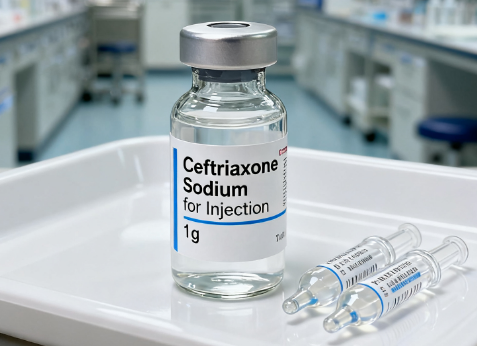
Ceftriaxone Sodium is a potent third-generation cephalosporin antibiotic. It operates by interfering with the bacteria's cell wall synthesis, leading to the destruction of the invading microorganisms. It is not available in pill form; instead, it is administered intravenously (IV) or intramuscularly (IM) to ensure rapid and complete absorption into the bloodstream, making it a frontline treatment for severe and systemic infections.
2.Addressing a Common Question: Does Ceftriaxone Sodium Treat Chlamydia?
This is a crucial point of clarification for public health. No, ceftriaxone is not a standard treatment for chlamydia. While it is highly effective against gonorrhea—often a co-infection with chlamydia—it is not the drug of choice for chlamydia itself. Chlamydia is typically treated with other antibiotics like azithromycin or doxycycline. For patients with both infections, a dual therapy of ceftriaxone (for gonorrhea) and azithromycin (for chlamydia) is standard protocol.
3.The Critical Mixing Process: What Should Ceftriaxone Be Mixed With?
This is where safety and efficacy converge. Ceftriaxone powder must be reconstituted with a liquid diluent before administration.
-
Do you need Sodium Chloride for Ceftriaxone? Yes, but it is not the only option. Sterile Water for Injection is also commonly used for the initial reconstitution into a concentrated solution.
-
For IV Infusion: After the initial reconstitution, the concentrated ceftriaxone solution must be further diluted for IV drip administration. This is most commonly done by adding it to a bag of 0.9% Sodium Chloride Injection (normal saline) or sometimes Dextrose 5% in Water. This step is vital to reduce vein irritation and ensure the correct dosage is delivered safely over a designated period, typically 30 minutes.
The specific mixing instructions, including the choice and volume of diluent, must be followed precisely as directed by the manufacturer and a healthcare provider to ensure stability and potency of the drug.

4.Primary Uses: What is Ceftriaxone Sodium Used For?
Ceftriaxone's broad-spectrum nature makes it effective against a wide range of bacteria. Its most common applications include:
-
Serious Bacterial Infections: Such as meningitis, septicemia, and complicated urinary tract infections.
-
Gonorrhea: It is the primary recommended treatment for uncomplicated gonorrhea due to widespread resistance to older antibiotics.
-
Pre-Surgical Prophylaxis: Used to prevent infections in patients undergoing certain surgeries.
-
Lyme Disease: Employed in later-stage neurological or cardiac manifestations of Lyme disease.
-
Pneumonia: Effective against community-acquired pneumonia when caused by susceptible bacteria.
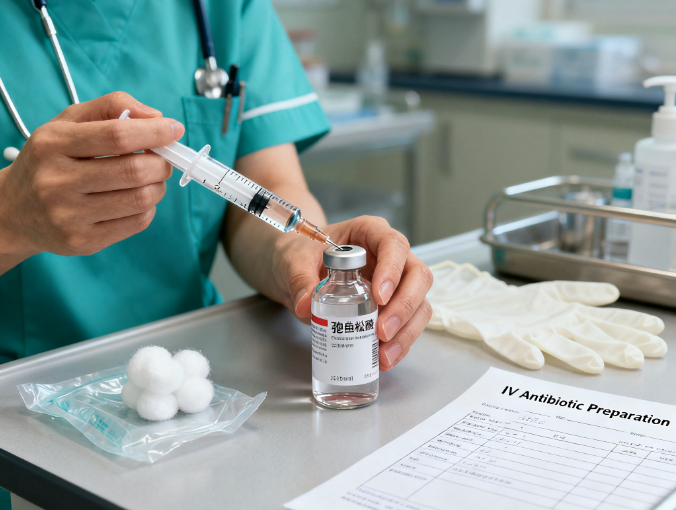
Ceftriaxone is an indispensable tool in our fight against serious bacterial infections," says Dr. Eleanor Vance, an infectious disease specialist. "Its effectiveness, however, is contingent on correct diagnosis and strict adherence to administration guidelines. Understanding what it treats—and what it doesn't, like standalone chlamydia—is key to its successful use and combating antibiotic resistance."
As research continues, ceftriaxone remains a testament to medical advancement, underscoring the importance of using powerful antibiotics responsibly and knowledgeably.
For more information Ceftriaxone Sodium and its applications, visit //www.ruizelinbio.com/ or email address:info@ruizelinherb.com. We will reply to you as soon as possible,Thanks very much.


